
The Hunger Games
Suzanne Collins
Like The Scorch Trials, it throws teenagers into a brutal, controlled wasteland where every chapter raises the stakes and survival is never guaranteed. Its propulsive pacing will feel familiar.
Reader-supported: when you buy through links on our site, we may earn an affiliate commission. Learn more
We earn a commission if you buy through these links. Learn more
Find Similar BooksOn screen: Maze Runner: The Scorch Trials (film, 2015)
Guide by the Books of the Day editors · Updated · How we write our guides
A fast, tense YA sequel that trades the Maze's walls for a sun-scorched desert, with sharp questions about trust, loyalty, and who gets to make the rules.
2 creators reviewed The Scorch Trials on YouTube between 2014 and 2026, with 155.7K views between them. Their opinions are their own; we picked these reviews, we didn't write them.
The Scorch Trials is the second book in James Dashner's Maze Runner series, and it is built as a chase. Thomas and the other Gladers, the teenagers who came out of the Maze, are pulled into a new round of tests run by the organization that has been studying them. The setting shifts from walled corridors to a sun-blasted desert where the old world has broken down, and the pace rarely lets up. Chapters are short, the narration stays close to Thomas, and most of the book is spent moving, fighting, and trying to work out who can be trusted.
Dashner's style is blunt and cinematic rather than lyrical. He writes action clearly, leans on cliffhanger chapter endings, and lets the mystery unfold through small revelations instead of long explanations. Readers who want deep world-building or careful character study may find the middle stretches thin, since much of the story is about survival and the group's shifting loyalties. The experience is closer to watching a tense adventure film than sitting with a literary novel.
What makes it stick is the tension between the group and the adults who seem to control them. The book keeps asking whether obeying authority is the same as being safe, and how much a person should sacrifice for friends. It works best as a middle volume: it deepens the series' questions and ends with plenty of momentum for the next book, so it is hard to enjoy fully on its own.
The group is never sure who is lying to them, and that uncertainty drives most of the book. Alliances form and break quickly, and even familiar friends must be re-evaluated. Dashner uses this suspicion to keep readers on edge, asking how much faith a person can keep in others when every choice might be a trap.
The Gladers have been handled by adults who claim to protect them, and the book questions whether following orders is really safety. Thomas keeps pushing against the instructions he receives. The theme is less about grand politics and more about the everyday decision to comply or resist when the people in charge have not earned your trust.
The desert setting and the infection threat force characters to weigh their own safety against basic decency. The book shows how desperation can harden people, and it treats the question of what keeps someone human as a practical one, tested in scenes of danger rather than debated in long passages of reflection.
Short chapters, clear action, and frequent cliffhangers make this a quick read. The mystery moves forward through small reveals rather than exposition. Readers who value pace will find it easy to finish in a few sittings, though those who want slower, more detailed scenes may feel the story rushes past things they would like to linger on.
Common criticisms focus on thin characterization outside Thomas and a few close friends, repetitive action beats, and a pace that sometimes favors cliffhangers over careful logic. Some readers find the rules of the world and the reasons behind the trials vague. The book is a middle installment, so it does not stand alone, and its emotional payoff depends on the first novel. The violence and peril are intense for younger readers, and the genre conventions may feel familiar to anyone who has read later dystopias.
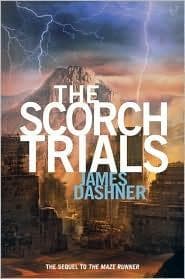
Book details and cover from Google Books.
Ready to read The Scorch Trials?
Get your copy on Amazon, or listen to it on Audible. We earn a commission if you buy through these links.
Suzanne Collins
Like The Scorch Trials, it throws teenagers into a brutal, controlled wasteland where every chapter raises the stakes and survival is never guaranteed. Its propulsive pacing will feel familiar.
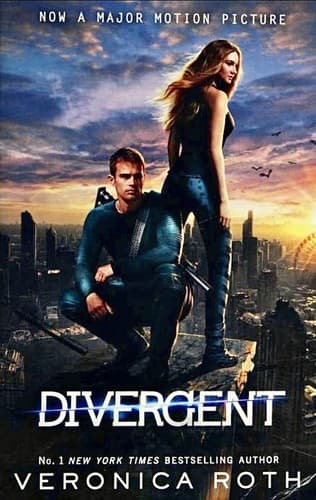
Veronica Roth
It shares the Scorch Trials appeal of a young protagonist facing dangerous tests set by an authority that hides its real motives. Readers who enjoy the action and suspense will find it similarly gripping.
Ernest Cline
Its fast-paced quest structure and tense race against a hidden enemy echo the puzzle-solving drive of The Scorch Trials. Readers who like urgent, high-stakes mysteries will find it hard to put down.
Michael Grant, Michael Grant
Like The Scorch Trials, it traps young people in a closed world with no adults and a hidden force pulling the strings. Its eerie mystery and growing danger suit readers who loved the central enigma.