
Boy, the Mole, the Fox and the Horse
Charlie Mackesy
Like the prince's talks with the fox, this illustrated book offers short, warm conversations about kindness, courage and friendship that readers of any age can return to again and again.
Reader-supported: when you buy through links on our site, we may earn an affiliate commission. Learn more
We earn a commission if you buy through these links. Learn more
Find Similar BooksA short, deceptively simple fable about a stranded pilot and a visitor from a tiny planet, worth reading for its sharp, tender look at how grown-ups lose track of what matters.
The Little Prince is a short book that reads like a children's story and works more like a fable for adults. A pilot is forced down in the Sahara and meets a small boy who has come from a planet barely large enough to hold him. Over a few days, the boy talks about where he has been, the strange grown-ups he met along the way, and the things that puzzle him about the people on Earth. The pilot listens, argues a little, and slowly begins to see his own life differently.
The prose is spare, with short sentences and a plain, conversational voice. The author's own drawings are part of the text, not decoration, and they often do as much work as the words. The simplicity is the main trick of the book: nothing is hard to follow, yet many lines stop readers mid-page because they sound like something they half-knew and had forgotten.
Reading it is quick, usually one sitting, and the experience is more like being gently cornered than being entertained. It rewards a slow second reading, and many people find that they respond to different parts at different stages of life. Expect a mood of wistfulness and a steady, affectionate satire of adult habits rather than a plot with much suspense.
The book's most pointed passages are its portraits of adults absorbed in status, ownership, and numbers. Each encounter the boy describes is a small comic sketch, but the joke lands on the reader. The satire works because it is affectionate rather than cynical, and it invites the reader to ask which of those habits they still keep.
A central thread concerns the relationship between the boy and a flower he tends on his planet. The story treats love not as a pleasant feeling but as a commitment that makes you answerable for the one you love. That idea is developed through small domestic details rather than speeches, which is why it feels earned instead of preachy.
Throughout the book, the pilot is pushed to look past appearances: at drawings, at people's titles, at the apparent emptiness of the desert. The argument is that what matters most is often not visible on the surface, and that perception itself is a moral skill. The point comes across through the pilot's own gradual change of attention.
The desert setting gives the story its quiet tension. A grown man, cut off and running out of water, is confronted with a child who asks the questions adults stopped asking. The isolation is not just a plot device; it sharpens the sense that the pilot is talking to a part of himself he had lost.
The book's simplicity is deliberate. Because the language is so direct, the reader cannot hide behind complicated sentences, and the ideas must be faced without ornament. Many readers find that the plainness is what makes the lines linger, and that a children's vocabulary can carry adult grief and wonder without strain.
The book is often criticized as sentimental, and some readers find its lessons heavy-handed or repetitive, especially after the first reading. Its satire of adults can feel broad, and the portraits of the planets are brief by design, so readers wanting depth in any one character will be disappointed. The text is also short enough that a translation's choices matter a great deal; readers comparing editions may find that tone and rhythm shift noticeably. It is not a detailed account of the author's flying career or the historical world it came from, and it offers little for readers who want a grounded, realistic story.
Reviews from readers on YouTube. Their opinions are their own.
Book details and cover from Google Books.
Ready to read The Little Prince?
Get your copy on Amazon, or listen to it on Audible. We earn a commission if you buy through these links.
Charlie Mackesy
Like the prince's talks with the fox, this illustrated book offers short, warm conversations about kindness, courage and friendship that readers of any age can return to again and again.
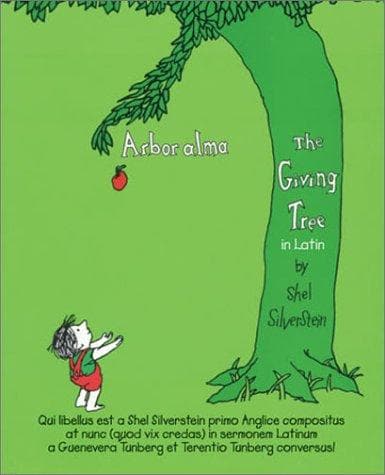
Shel Silverstein, Kjell Hill Silverstein
A spare, bittersweet story about love and what we take from those who care for us, echoing the prince's devotion to his rose and its gentle lessons for grown-ups.
Norton Juster
Milo meets odd characters in peculiar lands much as the prince visits the king, the businessman and the lamplighter, with satire about adult foolishness wrapped in playful adventure.
Lewis Carroll
Another classic where a child confronts the baffling logic of grown-up figures, full of curious encounters and illustrations that reward both young readers and adults.