
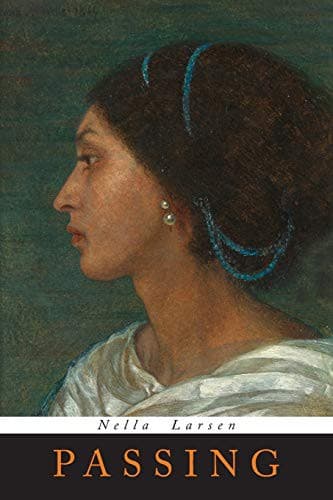
Passing
Nella Larsen, Matthew Hodgson
A slim, piercing novel about colorism, racial identity and longing for acceptance. Like The Bluest Eye, it shows how the ideal of whiteness warps relationships and self-worth.
Reader-supported: when you buy through links on our site, we may earn an affiliate commission. Learn more
We earn a commission if you buy through these links. Learn more
Find Similar BooksNATIONAL BESTSELLER • A PARADE BEST BOOK OF ALL TIME • From the acclaimed Nobel Prize winner—a powerful examination of our obsession with beauty and conformity that asks questions about race, class, and gender with characteristic subtlety and grace. • With a new introduction by Jacqueline Woodson. “So precise, so faithful to speech and so charged with pain and wonder that the novel becomes poetry”—The New York Times In Morrison’s acclaimed first novel, Pecola Breedlove—an 11-year-old Black girl in an America whose love for its blond, blue-eyed children can devastate all others—prays for her eyes to turn blue: so that she will be beautiful, so that people will look at her, so that her world will be different. This is the story of the nightmare at the heart of her yearning, and the tragedy of its fulfillment.
Reviews from readers on YouTube. Their opinions are their own.
Book details and cover from Google Books.
Ready to read The Bluest Eye?
Get your copy on Amazon, or listen to it on Audible. We earn a commission if you buy through these links.
Nella Larsen, Matthew Hodgson
A slim, piercing novel about colorism, racial identity and longing for acceptance. Like The Bluest Eye, it shows how the ideal of whiteness warps relationships and self-worth.
Brit Bennett
Twin sisters take opposite paths, one living as white. It shares Morrison's interest in colorism and community judgment across generations, told in absorbing, humane prose.
Paule Marshall
A Barbadian American girl comes of age in Brooklyn, wrestling with her mother, her body and her sense of worth, an intimate coming-of-age as textured as Pecola's story.
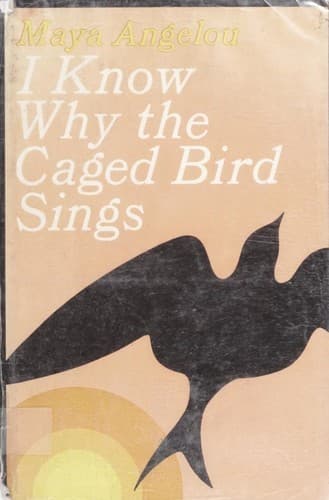
Maya Angelou
Angelou's memoir of a Southern childhood marked by trauma, silence and racism echoes Pecola's vulnerability, but also traces a girl finding her voice through language.