
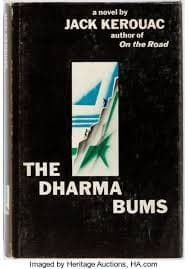
The Dharma Bums
Jack Kerouac
Also by Kerouac, this follows a mountaineering and Zen-seeking friendship across California and beyond, carrying the same rapturous, unpolished energy that made On the Road so compelling.
Reader-supported: when you buy through links on our site, we may earn an affiliate commission. Learn more
We earn a commission if you buy through these links. Learn more
Find Similar Booksby Jack Kerouac
Guide by the Books of the Day editors · Updated · How we write our guides
Kerouac's breathless, road-tripping portrait of postwar American restlessness, friendship, and appetite remains a defining Beat text, even when its charm and its blind spots are both hard to ignore.
2 creators reviewed On The Road on YouTube between 2008 and 2015, with 395.7K views between them. Their opinions are their own; we picked these reviews, we didn't write them.
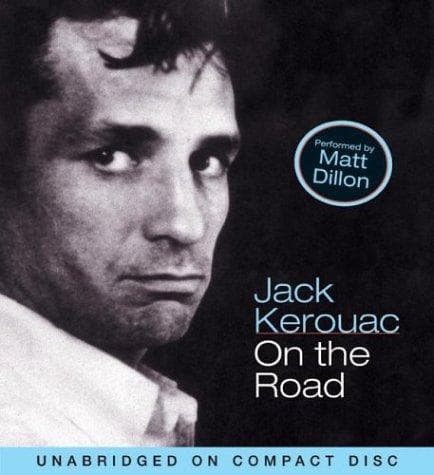
On the Road, published in 1957, follows Sal Paradise, a young writer loosely based on Kerouac himself, as he criss-crosses the United States and later travels into Mexico in the years after the Second World War. His companion is Dean Moriarty, an impulsive, charismatic figure modeled on Neal Cassady. The story is less a tight plot than a chronicle of restlessness, friendship, and the pursuit of experience.
The most distinctive thing about the book is its prose. Kerouac wrote in a rushing style built on long run-on sentences, lists, and rhythms borrowed from jazz. The original draft was famously typed as one continuous scroll in 1951, and the published text was edited, but the momentum survives. Reading it feels like riding in a fast car with someone who won't slow down: exhilarating, sometimes exhausting, and full of vivid scenes of highways, bars, and conversations that run until dawn.
Don't expect a conventional arc or neatly delivered lessons. The book circles around questions of freedom, belonging, and what a life is for, and it leaves most of them open. Readers tend to come away either charmed by its energy or irritated by its aimlessness, and both reactions are part of the point.
The characters drive, hitchhike, and ride buses constantly, often without a clear destination. Motion becomes a way of testing whether experience can fill the hollow left by ordinary life. The book asks whether restlessness is a form of freedom or a way of avoiding commitment, and it never fully settles the question.
Sal's bond with Dean is the emotional center, and it is magnetic and uneven. Dean is generous, wild, and captivating, but he is also careless with the people who love him. Seeing Sal half-admire and half-resent him gives the book much of its tension and most of its honesty.
Kerouac wanted his sentences to move the way a jazz solo does, spilling forward and circling back on themselves. The style is the subject as much as the story: it tries to capture speed, sound, and the feeling of being alive in the moment. Some readers find this thrilling, others find it wearing.
Alongside parties and open highways, the book notices migrant laborers, poverty, and the rough edges of cities and small towns. These glimpses complicate the romance of the road. They also show how a restless search for meaning could coexist with a privileged traveler's easy movement through other people's lives.
The book is episodic and often repetitive, and its sense of momentum can feel like motion without progress. Dean is more a force than a person, and women mostly appear as objects of desire or disappointment. Its depictions of Black characters and of Mexico have drawn sustained criticism for exoticizing and stereotyping. Many readers also prefer the 1951 scroll manuscript, which is more raw than the edited 1957 text, and the scroll is not the version most people read.
Book details and cover from Google Books.
Ready to read On The Road?
Get your copy on Amazon, or listen to it on Audible. We earn a commission if you buy through these links.
Jack Kerouac
Also by Kerouac, this follows a mountaineering and Zen-seeking friendship across California and beyond, carrying the same rapturous, unpolished energy that made On the Road so compelling.
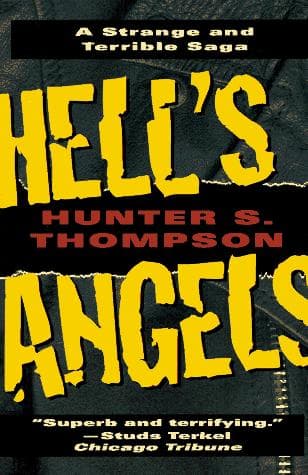
Hunter S. Thompson
Thompson rides with a motorcycle gang in raw, first-person immersion, matching On the Road's appetite for outsider life and reportage that feels lived in rather than observed from a distance.
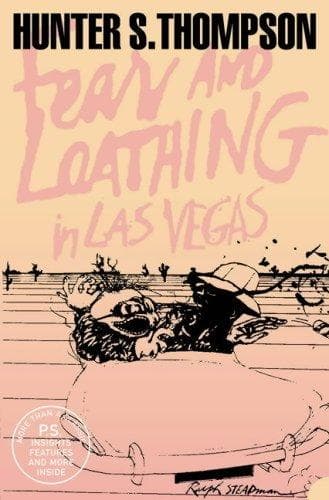
Hunter S. Thompson
Thompson's frenzied, drug-fuelled road trip shares On the Road's sense of reckless motion and a narrator chasing something elusive across the American landscape.
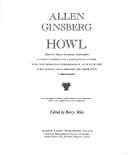
Allen Ginsberg
Ginsberg's incantatory poem captures the same Beat fervour, wild friendships and rejection of conventional respectability that drive the energy of On the Road.