
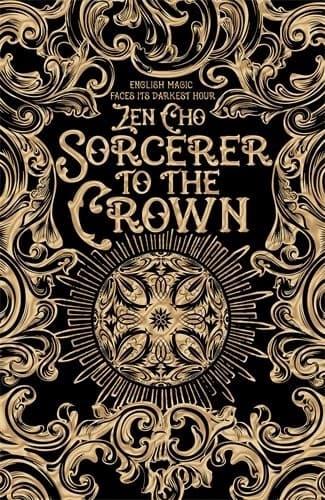
Sorcerer to the Crown
Zen Cho
Set in Regency England's stuffy magical establishment, it shares Clarke's comedy of manners and thaumaturgical politics, while questioning who is allowed to practise magic at all.
Reader-supported: when you buy through links on our site, we may earn an affiliate commission. Learn more
We earn a commission if you buy through these links. Learn more
Find Similar BooksGuide by the Books of the Day editors · Updated · How we write our guides
A Regency-era English fantasy of two rival magicians, told through footnotes, invented scholarship and dry wit, that rewards patient readers with one of the genre's most original worlds.
2 creators reviewed Jonathan Strange and Mr Norrell on YouTube between 2023 and 2025, with 12.7K views between them. Their opinions are their own; we picked these reviews, we didn't write them.
Jonathan Strange and Mr Norrell is a long novel set in an alternate Regency England where magic once flourished and has largely vanished. The story follows two men: Gilbert Norrell, a fastidious, reclusive scholar who is the only working magician in the country and guards his knowledge jealously, and Jonathan Strange, a charming gentleman who takes to magic far more readily and far less cautiously. Their uneasy partnership and rivalry drive the plot, which spans the Napoleonic wars and reaches into faerie.
Clarke writes in the style of an early nineteenth-century history. Footnotes run long, some pointing to invented books and scholars, and the narrator comments on the era's customs with a deadpan irony that feels closer to Austen than to most fantasy. Magic is treated as a matter of scholarship, archives and social standing rather than spectacle, so spells often arrive as the result of research and patience.
Reading it is slow at first and then increasingly absorbing. The book rewards attention to asides and to the gradual building of its mythology, and it is most satisfying when you let the pace settle rather than hunting for the next battle. Expect a witty, patient and quietly melancholy experience.
Norrell believes magic has been lost because practitioners neglected its study, and he treats it as a learned discipline he controls through books, patronage and access. This gives the novel its distinctive texture: spells depend on libraries, obscure texts and who is permitted to read them. Clarke makes the politics of knowledge the engine of the plot.
Strange embraces magic with curiosity and recklessness, while Norrell approaches it with caution and control. Their clashing methods become a way of examining ambition, authority and the cost of getting things right versus getting them done. Neither is a simple hero, and their friendship and rivalry form the emotional core of the book.
Clarke blends social comedy about manners, marriage and reputation with genuinely eerie material about faerie and the old English past. The tonal shifts are deliberate: wit keeps the reader comfortable until something uncanny arrives, and the contrast is where much of the book's unease comes from.
Footnotes, invented scholarship and an imitation of period prose make the world feel documented, as if it were drawn from real archives. This apparatus is part of the pleasure, since it makes the magic feel grounded, and part of the challenge, since it asks for sustained attention to details that may seem trivial at first.
The book is very long, and its early chapters take time to establish their rhythm. Some critics find the middle sections drift, and the faerie material is darker and less comic than the social scenes, which can feel jarring. Its women characters are less developed than its men, and the period pastiche can read as mannered to readers who expect modern prose. The conclusion satisfies some readers and feels deliberately sprawling to others.
Book details and cover from Google Books.
Ready to read Jonathan Strange and Mr Norrell?
Get your copy on Amazon, or listen to it on Audible. We earn a commission if you buy through these links.
Zen Cho
Set in Regency England's stuffy magical establishment, it shares Clarke's comedy of manners and thaumaturgical politics, while questioning who is allowed to practise magic at all.
Christopher Priest
A bitter rivalry between two Victorian stage magicians, told through journals and documents, echoes the obsessive Strange and Norrell partnership with a darker, unsettling edge.
Mary Robinette Kowal
An openly Austen-inspired novel where drawing-room accomplishments include glamour magic, ideal if you loved the Regency manners side of Clarke's book in a shorter form.
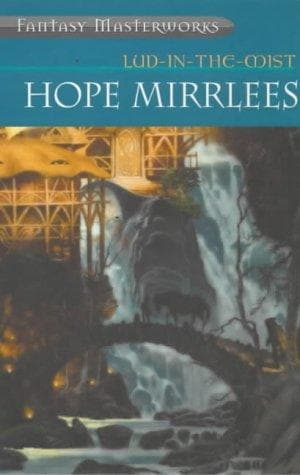
Hope Mirrlees
A classic Clarke herself admires: a prim town that has outlawed fairy fruit, written with the same wry humour and creeping strangeness as the gentleman with the thistle-down hair.