
We earn a commission if you buy through these links. Learn more
Sorcerer to the Crown
by Zen Cho
Guide by the Books of the Day editors · Updated · How we write our guides
A witty Regency fantasy about a magic-starved England, a newly appointed Sorcerer Royal, and sharp commentary on class, race, and who gets to practise magic at all.
What Creators Say About Sorcerer to the Crown
2 creators reviewed Sorcerer to the Crown on YouTube between 2015 and 2017, with 1.8K views between them. Their opinions are their own; we picked these reviews, we didn't write them.
What It's About
Sorcerer to the Crown is set in an alternate Regency England where magic is a respectable, state-regulated profession and English magic has been quietly declining. The Sorcerer Royal is the official magician who advises the government and keeps the realm's enchantments in order. The story centres on Zacharias Wythe, a young man of African descent raised in England, who holds that office in a society where many people doubt he belongs there, and on Prunella Gentleman, a headstrong young woman who wants to study magic despite being told it is not a pursuit for ladies.
Cho writes in a brisk, comic register that draws on social comedy: dinners, drawing rooms, and gossip carry much of the plot, and the banter between characters is often funny. Underneath, the book is a careful look at who gets power and who is expected to stay out of it. Magic is treated as an institutional privilege, and much of the pleasure comes from watching characters test those rules. The tone moves between light and serious, and the prose is more interested in manners and talk than in spectacle.
Reading it feels like a blend of a comedy of manners and a political adventure with fairy-tale elements. It rewards readers who enjoy ensemble casts, sly social observation, and a protagonist who has to earn respect rather than assume it. The pacing is steady rather than frantic, and the book is best approached as an entertaining story with real opinions about its era rather than as a strictly historical novel.
Read this if you…
- enjoy Regency comedies of manners with a fantasy twist
- want a fantasy novel where politics and social rules matter as much as spells
- prefer a lighter read that still has a sharp eye on privilege and belonging
Skip it if you…
- want epic battles, long magical set pieces, or a lot of spells on the page
- need a strictly historical Regency with no fantastical liberties
Key Ideas
- 1
Magic as an institution and a privilege
Magic here is not a wild, personal gift but a licensed profession tied to government and social rank. Cho uses this to show how access to knowledge and power is controlled by a small circle. Reading the book, you see magic work the way any established profession does: through patronage, credentials, and the people who decide who counts as qualified.
- 2
Race and belonging in a Regency setting
Zacharias's position as a Black Sorcerer Royal in early nineteenth-century England is central, not decorative. The novel shows how others read his authority, questioning his right to it at every turn. Cho handles this with irony and directness, so the prejudice of the characters becomes part of the story's commentary on who is treated as an insider.
- 3
Gender and the right to practise
Prunella's ambition runs straight into the assumption that women should not study serious magic. Her determination drives much of the plot and gives the book its energy. The story is less about a single grievance than about the everyday small barriers that shape what a talented woman is allowed to attempt.
- 4
Comedy of manners with a serious edge
The book borrows the wit and social observation of Regency comedy, with its careful attention to etiquette and reputation. Cho keeps the tone light enough to be fun but never lets the humour fully displace the serious questions underneath. The result is a novel that makes you laugh at its characters while noticing what they cost others.
Limitations
Some readers find the middle stretches slower than the opening, and the subplots can feel loosely braided before they converge. The rules of magic and the fairy elements are sketched rather than systematically explained, which frustrates readers who want a precise magic system. As the first book in a series, it sets up more than it fully resolves. The Regency voice is a deliberate pastiche, and readers who prefer grittier or more historically exact fiction may find it too polished.
Questions Readers Ask
- Is Sorcerer to the Crown the first book in a series?
- Yes, it is the first novel in a series set in the same alternate Regency world. It works as a standalone story, with its central arc reasonably complete, but the characters and setting are richer if you go on to the later books, so it is a good starting point if you enjoy it.
- How does it compare to Jonathan Strange & Mr Norrell?
- Both are Regency-set English novels about the revival of magic, but Clarke's book is longer, slower, and more scholarly in tone. Cho's novel is shorter, faster, and funnier, and it is more openly interested in who magic excludes. If you liked Clarke's period texture, you may enjoy Cho's social comedy, though the pace is quite different.
- Published
- 2015
- ISBN
- 9781510022461
- Difficulty
- beginner
- Category
- Fiction
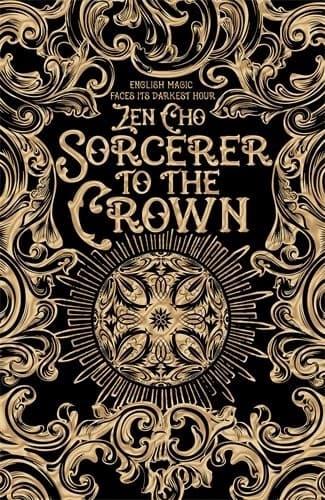
Book details and cover from Google Books.
Ready to read Sorcerer to the Crown?
Get your copy on Amazon, or listen to it on Audible. We earn a commission if you buy through these links.