
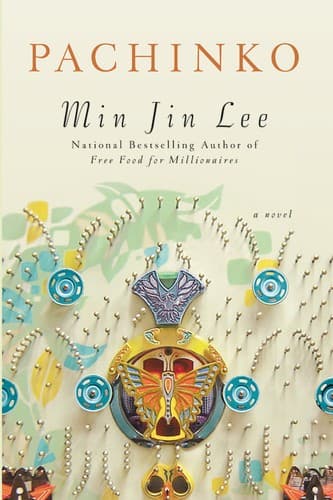
Pachinko
Min Jin Lee
Like The Good Earth, it follows one family over decades, showing how land, money and hardship shape each generation. Its steady, humane narration of ordinary lives under historical pressure will feel familiar.
Reader-supported: when you buy through links on our site, we may earn an affiliate commission. Learn more
We earn a commission if you buy through these links. Learn more
Find Similar BooksGuide by the Books of the Day editors · Updated · How we write our guides
Pearl Buck's Pulitzer-winning novel about a Chinese farmer's life on the land offers a patient, clear-eyed view of hunger, ambition, and what wealth does to a family.
2 creators reviewed Good Earth on YouTube between 2018 and 2024, with 16.8K views between them. Their opinions are their own; we picked these reviews, we didn't write them.
The Good Earth follows Wang Lung, a farmer in northern China, from his marriage to O-lan, a former servant from the great house of Hwang, through the decades that follow. The novel tracks how his fortunes rise and fall with the harvests, the weather, and the household around him. Buck writes in plain, spare sentences with a rhythm close to oral storytelling, so the book feels more like a long account told by the land itself than a novel full of clever plotting.
The experience is patient and sometimes repetitive, the way rural life is. Big events arrive through small domestic details: a meal, a purchase of land, a child's illness. Wang's relationship to the soil is the real subject, and his choices are rarely simple. Buck treats his greed, tenderness, and fear with directness, and she does not hurry toward drama. Readers who want fast momentum may find the pace slow, but those who settle into it will find the emotional weight builds steadily.
It also helps to know who is telling the story. Buck was an American novelist who grew up in China, and the book was written in the early 1930s. Its perspective is shaped by that outsider vantage point, which is part of what makes it worth discussing today. The novel is short enough to read in a few sittings.
For Wang, ownership of land is both security and identity. Each field he buys feels like proof he has risen, but the book keeps asking what the attachment costs him and the people around him.
Famine and scarcity recur throughout, and they push characters toward choices they would never make in comfortable times. Buck shows how thin the margin is for rural families and how survival can override ordinary morality.
O-lan's steady work and silence are among the novel's strongest forces. The book notices how a woman's worth is often measured by usefulness, and it gives her labor a weight that the men around her rarely acknowledge.
Money brings new comforts, but it also brings new desires, rivalries, and expectations between parents and children. The novel is interested in what inheritance and changing circumstances do to bonds that once depended on shared hardship.
Critics have long questioned the book's portrayal of Chinese life. Buck was an outsider writing for Western readers, and some reviewers, including Chinese readers, have argued that the characters can feel simplified or filtered through a sympathetic but external lens. The prose is deliberately plain and can read as sentimental or repetitive to modern tastes. The novel also focuses almost entirely on one family's rural and early-urban experience, so it does not offer a broad picture of Chinese politics or society at the time.
Book details and cover from Google Books.
Ready to read Good Earth?
Get your copy on Amazon, or listen to it on Audible. We earn a commission if you buy through these links.
Min Jin Lee
Like The Good Earth, it follows one family over decades, showing how land, money and hardship shape each generation. Its steady, humane narration of ordinary lives under historical pressure will feel familiar.
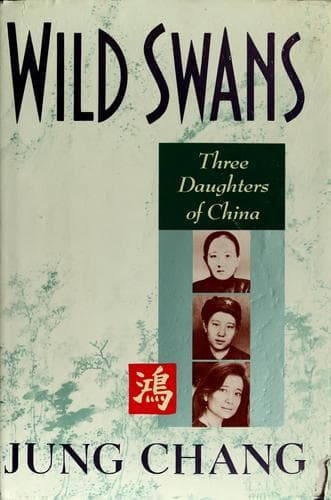
Jung Chang
This memoir traces three generations of women through twentieth-century China, from the last imperial years onward. Readers drawn to The Good Earth's sweep of Chinese history and its focus on endurance will find it a powerful companion.
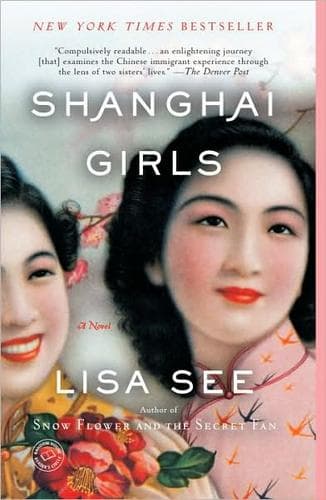
Lisa See
Its story of two sisters and their family, set against upheaval in China and beyond, balances personal loyalty with historical change. Readers who valued the emotional weight of The Good Earth's family bonds will appreciate it.
John Steinbeck
A poor farming family is driven from its land and must keep going through hunger and hardship. Readers moved by the dignity of Wang Lung's struggle with the soil will recognise the same compassion here.