
Ready Player One
Ernest Cline
Like Daisy Jones, it is built around a love of a specific decade's pop culture, here 1980s games and music, and rewards readers who enjoy nostalgia woven into a fast-moving story.
Reader-supported: when you buy through links on our site, we may earn an affiliate commission. Learn more
We earn a commission if you buy through these links. Learn more
Find Similar BooksGuide by the Books of the Day editors · Updated · How we write our guides
A fictional 1970s rock band told through a fast, gossipy oral history, with a messy, magnetic partnership at its center that keeps you turning pages.
2 creators reviewed Daisy Jones & The Six on YouTube in 2019, with 86.9K views between them. Their opinions are their own; we picked these reviews, we didn't write them.
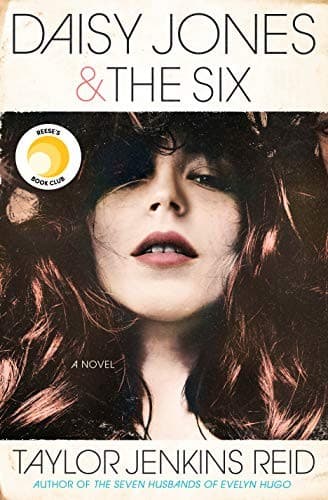
Daisy Jones & The Six is written as an oral history, a set of interviews with the people who lived through the rise and fall of a fictional 1970s rock band. There is no single narrator. Instead, musicians, managers, and the people around them recall the same events in different ways, so you piece together what happened and who was telling the truth. Daisy Jones is a restless, magnetic singer-songwriter whose career collides with The Six, a band fronted by Billy Dunne.
The style is quick and cinematic. Sections are short, the dialogue is lively, and the book moves like a documentary you cannot pause. Reid gives real attention to how songs get made, the tension of writing with someone you are drawn to, and the grind of touring, so the music feels like labor rather than decoration. Reading it is an immersive, emotional binge, the kind of book you finish in a few long sittings.
The main pleasure is watching these voices contradict each other and seeing how fame distorts everyone's memory of what mattered. The trade-off is that the many voices can start to sound alike, and the book leans on familiar rock-world drama. Expect a vivid, nostalgic ride rather than a quiet literary study.
The oral-history frame means every event arrives filtered through someone's pride, guilt, or resentment. Reid trusts you to notice the gaps between accounts. The question shifts from what happened to why each person remembers it the way they do, which turns a simple band story into a study of how people rewrite their own past.
At the center is a songwriting partnership between two very different people who clash constantly and need each other to make music. The book is strongest when it shows how creative chemistry can be exhilarating and destabilizing at once, and how hard it is to separate the work from the attraction, rivalry, and ego that surround it.
Touring, substances, and public attention wear down relationships, families, and the band itself. Reid portrays excess without glamorizing it entirely, showing how each success extracts something from the people involved. The emotional weight comes from watching ordinary loyalties strain under extraordinary conditions.
The novel draws its texture from the business of rock: managers, record deals, studio sessions, and the constant pull between authenticity and commercial demands. The era works more as atmosphere than as a detailed historical record, which keeps the focus on the characters while still giving the setting real energy.
Some readers find the voices hard to tell apart, especially early on, and the oral-history form can stand in for deeper interior life. The addiction, excess, and tortured-genius romance follow patterns many readers will recognize from other music novels and films, so the story can feel more familiar than its framing suggests. The 1970s is evoked largely through the glamour of the stage and studio rather than a broad portrait of the era's politics or wider culture. Readers hoping for a fresh take on music history may find the book comfortable rather than surprising.
Book details and cover from Google Books.
Ready to read Daisy Jones & The Six?
Get your copy on Amazon, or listen to it on Audible. We earn a commission if you buy through these links.
Ernest Cline
Like Daisy Jones, it is built around a love of a specific decade's pop culture, here 1980s games and music, and rewards readers who enjoy nostalgia woven into a fast-moving story.
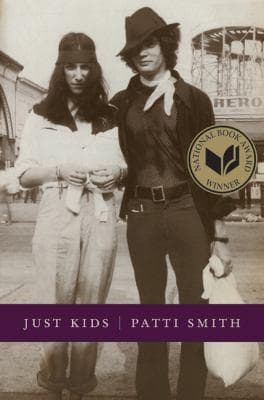
Patti Smith, Patti Smith
A memoir of youth, art and music in 1970s New York that captures the same creative intensity and tender, honest portrait of a passionate partnership.
Brit Bennett
Its shifting perspectives across decades build a layered story of family and secrets, much like the interview fragments that reveal Daisy Jones's band in pieces.
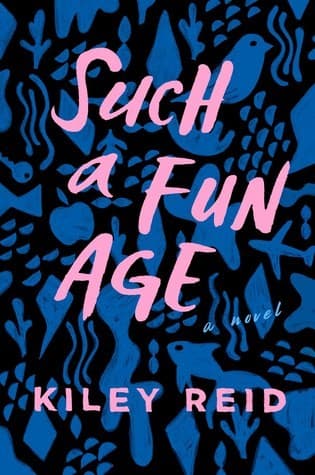
Kiley Reid
Multiple viewpoints and a sharp, conversational voice drive a tense story about class and race, echoing Reid's knack for dialogue-driven storytelling.