Reader-supported: when you buy through links on our site, we may earn an affiliate commission. Learn more

Cover of A Gentleman in Moscow
Buy on AmazonBuy on Bookshop.orgListen on Audible

We earn a commission if you buy through these links. Learn more

Find Similar Books

A Gentleman in Moscow

by Amor Towles

Fiction
★★★★★5.0 (1)

A witty, warm novel that turns a sentence of house arrest into a surprisingly rich study of dignity, friendship, and what a purposeful life looks like when most choices are taken away.

What It's About

A Gentleman in Moscow opens in 1922, when Count Alexander Rostov, a former aristocrat, is sentenced by a Bolshevik tribunal to live out his days inside the Metropol, a grand hotel across from the Kremlin. He is given an attic room rather than a cell, and the rest of the book follows his life within the hotel's dining rooms, corridors, and kitchens as decades of Russian history unfold outside. Towles keeps the stakes personal: the revolution and its aftermath arrive mostly as rumor, visitors, and changing rules.

The style is the main pleasure. The narrator is urbane, playful, and a little mischievous, moving briskly through years and then slowing down for a conversation, a meal, or a well-timed joke. Reading it feels like being welcomed into a well-run household by a host who enjoys his own stories. The cast grows steadily, with staff, guests, a young girl who lives in the hotel, and old acquaintances who drift in and out, each given a distinct voice.

Underneath the charm is a question about how a person keeps purpose when status, freedom, and most possessions are gone. The book is less a plot-driven thriller than a patient, affectionate study of routine, friendship, and attention. Expect a comfortable, often funny read with real emotional payoff rather than shocks.

Read this if you…

  • enjoy witty, urbane narrators who talk directly to the reader
  • want a warm, character-driven novel with emotional payoff rather than suspense
  • are interested in how people keep their sense of purpose under pressure

Skip it if you…

  • need fast plot momentum or a gripping central mystery
  • want a grim, detailed account of Soviet history or its politics

Key Ideas

  1. 1

    Dignity kept under constraint

    Rostov's confinement strips away his home, wealth, and freedom of movement, yet the novel is less interested in his suffering than in how he chooses to conduct himself. His manners, habits, and self-respect become a way of holding onto a sense of who he is, and the book asks what dignity means once the outward props of a life are gone.

  2. 2

    Small pleasures and close attention

    Much of the book's warmth comes from its focus on meals, conversations, craft, and the everyday rituals of a hotel. Towles shows how paying careful attention to small things can make a constrained life feel full, and how an ordinary room can become a whole world if one looks at it closely enough.

  3. 3

    Friendship across class and age

    Rostov's relationships with staff, guests, and a young resident cut across the old social hierarchies he once took for granted. These bonds reshape his understanding of obligation and usefulness, and they give the novel much of its emotional weight without relying on melodrama.

  4. 4

    Time, change, and a changing country

    The novel covers several decades, and it tracks how the hotel and its people adapt as the political climate shifts. Towles treats history as something that happens around private lives, so change is felt through its effects on routines, relationships, and what counts as a worthwhile way to spend a day.

Limitations

Some readers find Rostov too polished and the tone too cozy, with the hardships of the period softened by charm and a steady supply of good company. The Soviet setting is mostly backdrop, so readers wanting historical texture or political argument may feel it is underdeveloped. The pace is leisurely, and a few stretches lean toward sentiment. Some critics also note that the female characters are less fully drawn than the men, though the young resident and other figures do gain depth as the story goes on.

Questions Readers Ask

Is A Gentleman in Moscow a good choice for a first novel by Amor Towles?
Yes, it is a good entry point. The prose is accessible, the narrator is engaging, and the story is built around a clear premise. Readers who enjoy this voice often move on to Rules of Civility or The Lincoln Highway, which are also character-focused and carefully paced.
Does the book work if I don't know much about Russian history?
Yes. The history is kept in the background, and the narrator explains what matters for the story as it goes. You won't need prior knowledge to follow the characters or enjoy the novel, though readers with some background may appreciate the period details more.
How does it compare with other novels about confinement or hotel life?
It shares the controlled, observant mood of novels that find a larger world inside a limited space. Unlike darker books about imprisonment, its tone is warm and playful, so it suits readers who want a comforting, humane story rather than a bleak one.

What Creators Say About A Gentleman in Moscow

Reviews from readers on YouTube. Their opinions are their own.

Amor Towles on New Novel 'A Gentleman in Moscow'The Wall Street Journal on YouTube
A Gentleman in Moscow by Amor Towles Book Review | Spoiler FreeChris Digresses Into Books on YouTube
Published
2019
ISBN
9780143110439
Difficulty
beginner
Category
Fiction

Book details and cover from Google Books.

Ready to read A Gentleman in Moscow?

Get your copy on Amazon, or listen to it on Audible. We earn a commission if you buy through these links.

Books Like A Gentleman in Moscow

View all →
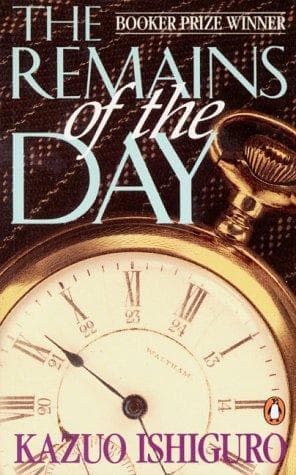
Cover of The Remains of the Day

The Remains of the Day

Kazuo Ishiguro

Like Count Rostov, Stevens is a formal, principled man whose dignified narration hides deep feeling. Ishiguro's quiet irony and restrained wit will appeal to readers charmed by the Count's erudite, self-possessed voice.

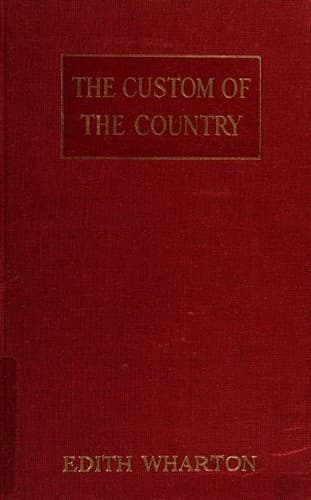
Cover of The Custom of the Country

The Custom of the Country

Edith Wharton

Wharton's sharp social comedy and polished prose mirror the glittering manners and wry observation that make A Gentleman in Moscow so pleasurable. Its elegant irony suits readers who enjoy a witty, well-dressed narrative.

Cover of Vanity Fair

Vanity Fair

William Makepeace Thackeray

Thackeray's ironic, sociable narrator comments knowingly on his characters, much as Towles's narrator does. Its wit, wide cast and playful digressions reward readers who loved the novel's erudition and humor.

Cover of Crossing to Safety

Crossing to Safety

Wallace Stegner

Stegner follows two couples across decades of friendship, with the same patient attention to character and everyday life that defines the Metropol's community. Readers who enjoyed the novel's intimate, long-spanning portrait of loyalty will find it rewarding.

Explore More