
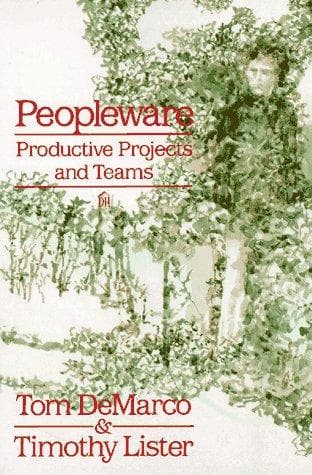
Peopleware
Tom DeMarco, Timothy Lister
Like Brooks, it argues that the human side of software work matters more than tools. It examines team morale, working environments and productivity with the same blend of research and wry opinion.
Reader-supported: when you buy through links on our site, we may earn an affiliate commission. Learn more
12 books to read next
If you loved The Mythical Man-Month by Frederick P. Brooks Jr.
Readers who love The Mythical Man-Month usually value its candid, experience-based account of why large software projects go wrong. Brooks writes plainly, mixes hard engineering facts with sharp opinions, and focuses on people, communication and the need for a coherent design. The essays are short, reflective and practical, aimed at anyone who manages complex work rather than at specialists in a single language. The picks below follow those threads: team dynamics, conceptual design, engaging stories and deeper technical practice.
Tom DeMarco, Timothy Lister
Like Brooks, it argues that the human side of software work matters more than tools. It examines team morale, working environments and productivity with the same blend of research and wry opinion.
Gene Kim, Kevin Behr, George Spafford
Its novel format follows an IT manager facing a failing project, dramatising the same management traps Brooks describes. Readers who enjoyed his real-world anecdotes will recognise the chaos and the hard lessons.
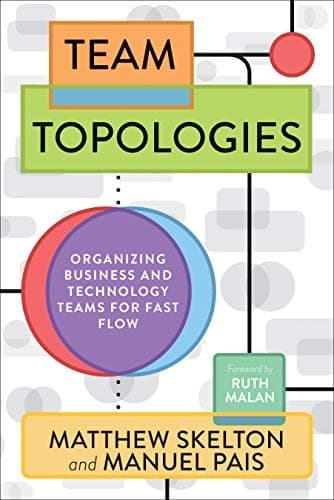
Matthew Skelton, Manuel Pais
It treats team structure as a deliberate design choice, echoing Brooks's point that the division of labour shapes the product. It suits readers who want to apply those ideas to modern organisations.
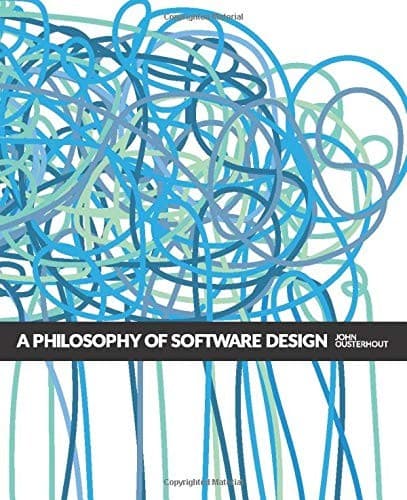
John K. Ousterhout
Its focus on managing complexity and keeping a system's design simple continues Brooks's argument for conceptual integrity. The short chapters give concrete advice that is easy to act on.
Eric Evans
It addresses how a team can keep one shared model of a complex product, which is the kind of unity Brooks says large projects must work to achieve. It is dense but rewards careful reading.
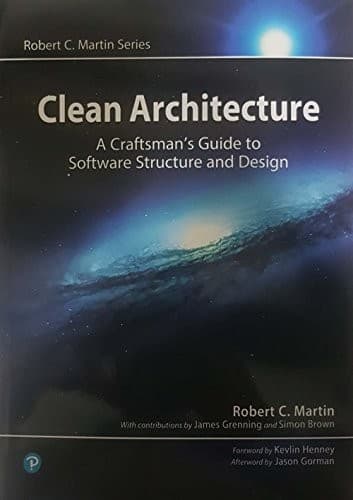
Robert C. Martin
It sets out principles for structuring software so that it stays understandable as it grows. Readers who valued Brooks's warnings about large systems will find many practical parallels.
Tracy Kidder
It follows an engineering team building a new computer under pressure, showing the human dynamics Brooks analyses in narrative form. It reads like a story rather than a manual.
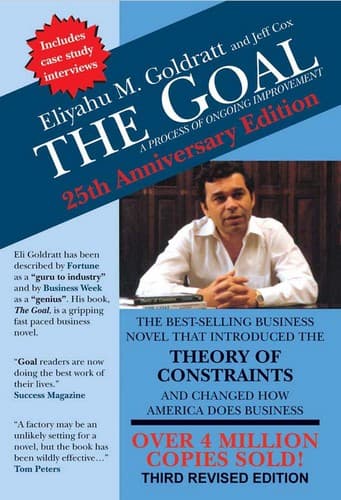
Eliyahu M. Goldratt, Jeff Cox
Written as a novel about a plant manager fixing a failing operation, it teaches the bottleneck thinking that Brooks applies to software. The story makes the management lessons easy to follow.
Andrew Hunt, David Thomas
Its friendly, aphoristic tone and focus on sensible habits for working developers suit readers who liked Brooks's accessible opinions. Each short section offers advice that can be used straight away.
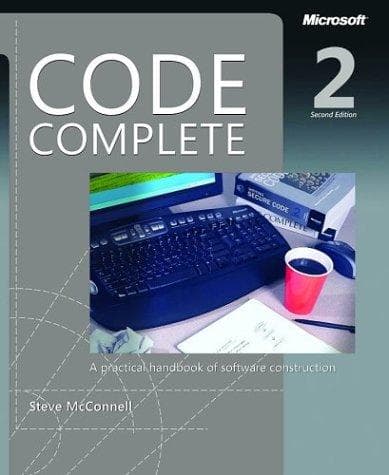
Steve McConnell
It is a thorough guide to construction practices and the evidence behind them, covering much of the craft that Brooks takes for granted. It is a useful companion for anyone who wants more technical depth.
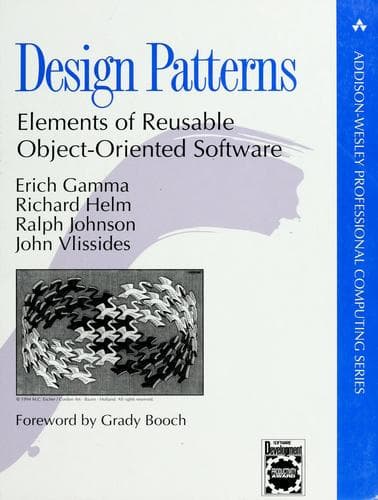
Erich Gamma, John Vlissides
This classic catalogue of reusable designs shows how good structure supports conceptual integrity in practice. Readers who want concrete design vocabulary after Brooks's essays will find it a foundational text.
Michael Feathers
It deals with the messy reality of large existing systems, the kind of project Brooks describes from OS/360. It offers concrete techniques for changing code safely when there are no tests.
We earn a commission if you buy through these links. Learn more