
We earn a commission if you buy through these links. Learn more
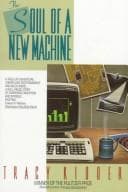
The Soul of a New Machine
by Tracy Kidder
Guide by the Books of the Day editors · Updated · How we write our guides
A rare, patient look inside a team of engineers racing to build a new minicomputer, and a clear portrait of how people make things under pressure.
What Creators Say About The Soul of a New Machine
2 creators reviewed The Soul of a New Machine on YouTube between 2022 and 2026, with 2K views between them. Their opinions are their own; we picked these reviews, we didn't write them.
What It's About
The Soul of a New Machine follows a small group of engineers at Data General, a Massachusetts minicomputer company, as they race to build a new 32-bit machine in the late 1970s. Kidder spent roughly a year inside the team, watching meetings, late nights, and the everyday friction of hardware and software design. The project's internal name, Eagle, and the pressure to beat rival products give the story its spine.
The approach is reportorial rather than analytical. Kidder mostly stays out of the way, letting engineers, managers, and their families speak through scenes and interviews, and he builds tension from deadlines and technical setbacks rather than from a single villain. The team leader, Tom West, is the closest thing to a central figure, and his unusual way of staffing the project gives the book much of its character. Reading it feels like sitting in on a long, absorbing work meeting.
You don't need a technical background. Kidder explains enough of the machine's design to make the tradeoffs clear without turning into a textbook. The pace is steady rather than thriller-like, and the emotional payoff comes from watching ordinary people put their identities into their work.
Read this if you…
- want an inside look at how a technology product actually gets made
- enjoy workplace stories about small teams under pressure
- are curious about the people behind computing history more than the machines themselves
Skip it if you…
- need a detailed technical explanation of computer architecture
- want a book about modern software companies or current tech trends
Key Ideas
- 1
Work as a source of identity
Team members talk about the machine as a way to prove themselves and as something they genuinely love. Kidder shows how deep commitment can blur the line between a job and a sense of self, and what that costs people when the project pulls them in too far.
- 2
Recruiting volunteers instead of assigning them
West's management style leans on persuasion, with engineers choosing to sign on rather than being ordered onto the project. The book examines how this informal, quasi-secret structure raised motivation and loyalty, and also how it strained people who were left outside the circle.
- 3
Compromise under deadline
Every design decision involves trading speed, cost, reliability, and schedule against each other. Kidder captures the practical grind of debugging hardware, coordinating with software people, and deciding which imperfections can ship. It is a useful picture of how engineering actually gets finished.
- 4
Racing a larger rival
The team's work is shadowed by competition with Digital Equipment Corporation and its successful VAX line. The stakes are not abstract: a product that succeeds or fails can decide whether a company keeps its footing, and the book makes that pressure feel immediate.
Limitations
The machine and its architecture are long obsolete, and the office culture of overtime and all-night work looks different today. Women are largely peripheral to the narrative, which reflects both the period and the team's makeup. The book covers one team at one company, so it cannot speak for the wider industry. Because Kidder's access and selection shape the story, some readers feel it romanticizes the intensity of the work and the loyalty it demanded.
Questions Readers Ask
- Do I need a computer science background to enjoy it?
- No. Kidder explains the machine's design and the engineering problems in plain language, focusing on what the choices meant for the people making them. Some technical moments will feel dense, but you can follow the human story without mastering the details.
- Is it still relevant today?
- As a piece of engineering history, the specific hardware is outdated. As a portrait of how teams build things under pressure, how managers motivate volunteers, and how work absorbs identity, it still reads as fresh and recognizable to anyone who has worked on a hard deadline.
- How does it compare to Hackers by Steven Levy?
- Levy's Hackers focuses on a culture of programmers and enthusiasts, with a wider and more cultural scope. Kidder's book is narrower, centered on one hardware project and one team, and goes deeper into the daily mechanics of how that team worked together.
- Published
- 1981
- ISBN
- 9780713914825
- Difficulty
- beginner
- Category
- Tech
Book details and cover from Google Books.
Ready to read The Soul of a New Machine?
Get your copy on Amazon, or listen to it on Audible. We earn a commission if you buy through these links.