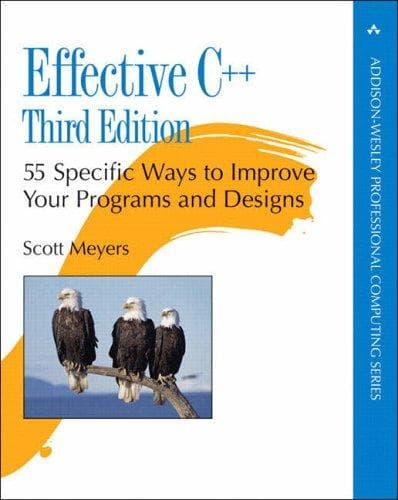
Scott Meyers
Like Stroustrup's reference, it is written by a deeply knowledgeable author who explains the language precisely. Meyers gives concise, numbered guidelines on using C++ well, suiting readers who want authority without padding.
Reader-supported: when you buy through links on our site, we may earn an affiliate commission. Learn more
12 books to read next
If you loved The C++ Programming Language by Bjarne Stroustrup
Readers who turn to The C++ Programming Language usually want a definitive, complete reference written by the language's own designer. They value its precise, carefully organised coverage of the core language, the standard library and design techniques, and its measured tone that treats the reader as a working programmer. It is dense rather than chatty, so it rewards patience and is best used alongside practical projects. The picks below share that rigour, depth, or focus on writing good modern C++.

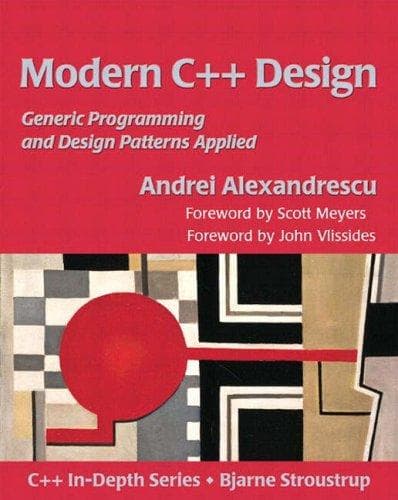
Andrei Alexandrescu
It extends the design-technique material in The C++ Programming Language into template metaprogramming and generic patterns. Readers interested in how the language's abstractions can be pushed further will appreciate it.

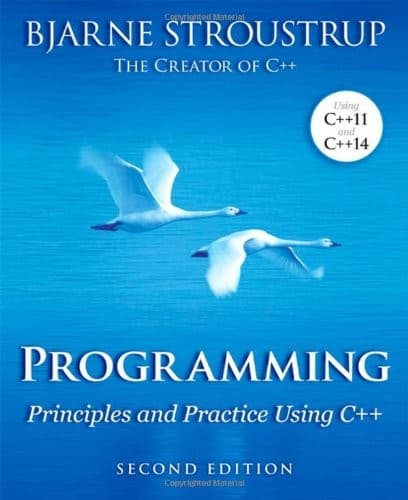
Bjarne Stroustrup
Written by the same author, it teaches programming from first principles with C++ as the vehicle. It suits readers who want the author's own approach in a more gentle, tutorial form.

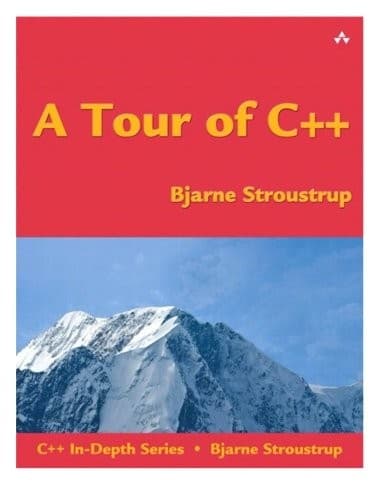
Bjarne Stroustrup
It is a concise overview of modern C++ by the language's designer, covering the features the source book describes in a compact form. Readers who want a quick refresher on current C++ will find it useful.

Scott Meyers
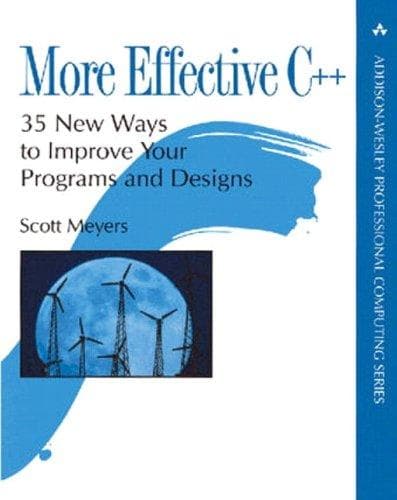
It follows the same practical, guideline-driven style as Meyers' earlier work, addressing performance, exceptions and design trade-offs. Readers wanting hands-on advice to complement Stroustrup's reference will benefit.

Scott Meyers
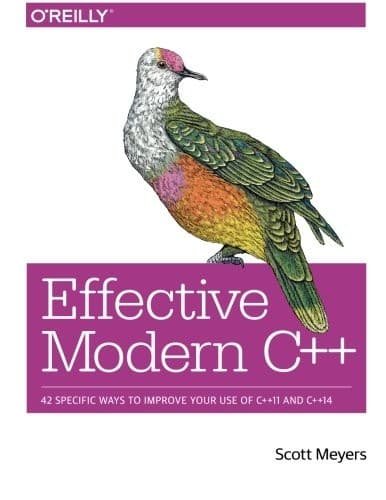
It updates the guidance for C++11 and C++14, covering move semantics, lambdas and smart pointers that the source book also explains. It helps readers apply the modern language features well.
Andrew Hunt, David Thomas
It focuses on the habits and judgement behind good software rather than a specific language. Readers who value the source book's careful, professional approach will find its advice broadly applicable.

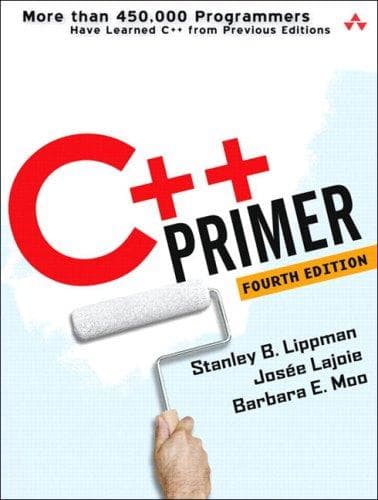
Andrew Koenig, Barbara E. Moo
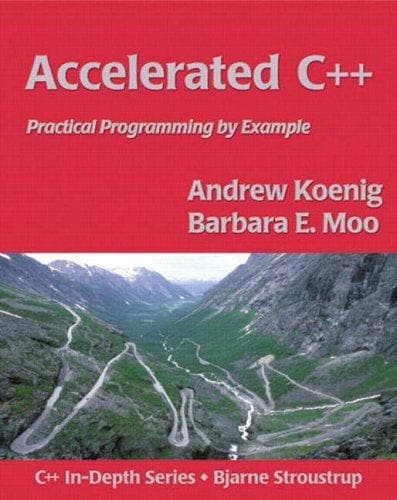
It teaches C++ through a faster, example-driven approach aimed at experienced programmers. Readers who want a more direct route to fluency than the source book's reference style may find it appealing.

Steve McConnell
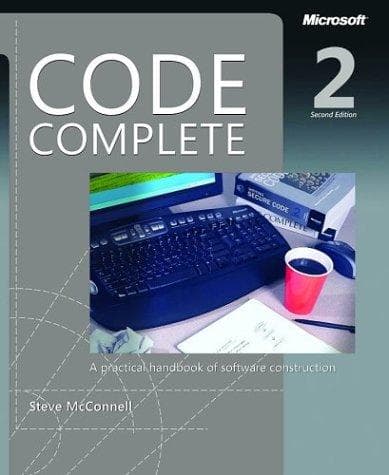
It covers the craft of construction, from design to testing and debugging, in depth. Readers who appreciated the source book's thoroughness will find its broad guidance valuable for writing robust software.

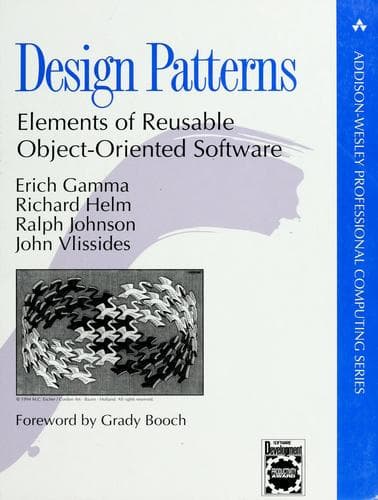
Erich Gamma, John Vlissides
It catalogues reusable object-oriented designs, several of which are naturally expressed in C++. Readers interested in the design side of the source book will find its vocabulary and structure helpful.
We earn a commission if you buy through these links. Learn more