Bhante Henepola Gunaratana
Like Full Catastrophe Living, it teaches meditation as a plain, hands-on skill rather than a belief system. Its step-by-step instructions suit readers who want to start a sitting practice for stress and attention.

Reader-supported: when you buy through links on our site, we may earn an affiliate commission. Learn more
11 books to read next
If you loved Full Catastrophe Living by Jon Kabat-Zinn, Thich Nhat Hanh
Readers who love Full Catastrophe Living usually come for its calm, practical voice and its clear link between stress, body and mind. Jon Kabat-Zinn explains mindfulness meditation and gentle yoga as medically grounded tools for pain, anxiety and everyday overwhelm, without mysticism or quick fixes. Many readers also value how it speaks to anyone, healthy or ill, who wants a saner way to live.
Bhante Henepola Gunaratana
Like Full Catastrophe Living, it teaches meditation as a plain, hands-on skill rather than a belief system. Its step-by-step instructions suit readers who want to start a sitting practice for stress and attention.

Tara Brach, Cassandra Campbell
Brach blends mindfulness with compassion to help readers meet fear, anger and anxiety without fighting them. Readers drawn to Kabat-Zinn's approach to difficult feelings will find a warm, practical companion.
Pema Chodron
This short book offers Buddhist-rooted advice for staying present through pain, loss and hard times. It echoes Full Catastrophe Living's message that mindfulness is most useful when life is at its most difficult.

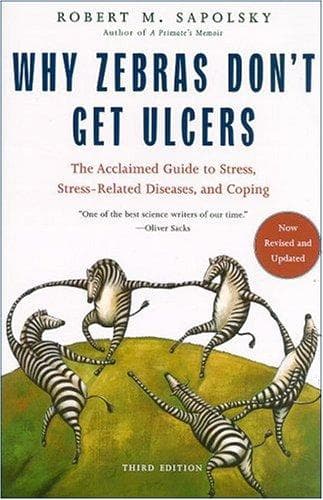
Robert M. Sapolsky
Sapolsky explains how the stress response works and why chronic stress harms health. Readers of Full Catastrophe Living who want the science behind its claims about stress and disease will find it engaging.
Bessel A. Van der Kolk
This book explores how stress and trauma live in the body and how mindful practices such as yoga can help. It pairs well with the mind-body focus Kabat-Zinn brings to chronic pain and tension.

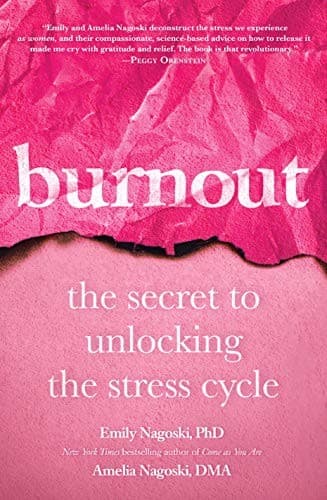
Emily Nagoski, Amelia Nagoski
Written for readers worn down by constant pressure, it explains how stress cycles get stuck and how to complete them. It suits anyone who found Full Catastrophe Living's account of stress in daily life relatable.

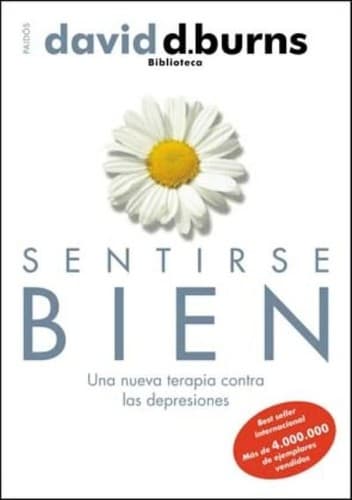
David D. Burns
Burns offers clear, practical techniques for reducing anxiety and low mood, a useful complement to the program's focus on easing panic. Its structured exercises give readers concrete steps they can apply straight away.
Carol S. Dweck
Dweck shows how beliefs about ability shape stress, effort and resilience. Readers who valued Kabat-Zinn's invitation to change how they relate to difficulty will find her ideas equally practical.
Eckhart Tolle
Tolle's central idea is to stop living in anxious thoughts about past and future and return to the present moment. Readers who connected with the mindfulness of Full Catastrophe Living will recognise the same invitation.
Viktor Emil Frankl
Frankl, a psychiatrist, writes about finding purpose and inner freedom under extreme hardship. Readers who appreciated Full Catastrophe Living's focus on living well through suffering will find this a profound counterpart.

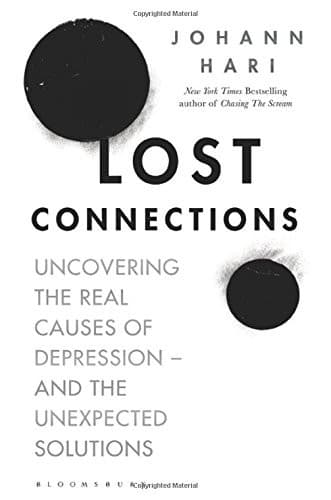
Johann Hari
Hari examines why anxiety and depression are rising and argues that social and environmental factors matter as much as individual coping. It widens the view that Full Catastrophe Living takes on stress in modern life.
We earn a commission if you buy through these links. Learn more