
The Girl With All the Gifts
M. R. Carey
A fresh, intelligent take on the infected that, like World War Z, cares about science, the military response and what humanity might become, told with real emotional weight.
Reader-supported: when you buy through links on our site, we may earn an affiliate commission. Learn more
We earn a commission if you buy through these links. Learn more
Find Similar Booksby Max Brooks
On screen: World War Z (film, 2013)
Guide by the Books of the Day editors · Updated · How we write our guides
A zombie war told through dozens of survivor interviews, World War Z works as sharp political satire and as a genuinely unsettling study of how societies crack and cope.
2 creators reviewed World War Z on YouTube between 2025 and 2026, with 37.4K views between them. Their opinions are their own; we picked these reviews, we didn't write them.
World War Z is a zombie novel written as an oral history. Its narrator is an unnamed interviewer collecting firsthand accounts for a postwar commission, so the book is a patchwork of testimony from soldiers, doctors, civilians, and people who lived far from the front. Each chapter gives a different voice, and the interviewer's brief framing sits between them. Nothing here is a single continuous plot with one hero.
The approach is what makes it work. Because every speaker sees only a corner of the catastrophe, you assemble the larger picture yourself from accounts that sometimes contradict each other. The gaps between testimonies carry as much weight as the horror. The tone moves from grim humor to grief to cold anger at the people who were supposed to be in charge, and the action is usually described after the fact, so the tension comes from what people choose to say and what they leave out.
Reading it feels like being handed a stack of testimony late at night: brisk, episodic, and easy to pick up one chapter at a time. It is less a story than a record, and its satire of governments, markets, and bureaucracy is as pointed as its scares.
Much of the book's bite comes from its portrait of leaders who are slow, self-interested, and more concerned with image and politics than with the dying. Brooks treats bureaucratic inertia and official denial as dangerous as the creatures themselves. Readers who enjoy satire of how power behaves in a crisis will find the critique is the real engine of the book.
Different nations respond according to their geography, politics, culture, and resources, so the same catastrophe looks very different from one country to the next. Isolated islands, closed societies, and crowded cities each produce their own mistakes and their own improvisations. The shifting perspective makes the global scope feel earned rather than decorative.
Most of the testimony is not about heroics. It is about fear, small compromises, hard decisions about who to trust, and the moral weight of acting too late or too early. These intimate moments give the book its emotional force, because the people speaking seldom see themselves as special or brave.
Because the form forces you to reconcile conflicting accounts, you become an active reader, weighing sources much as a historian would. The structure makes the sprawling catastrophe feel documented and plausible. It also means the book rewards attention more than speed, even though each individual interview is quick to read.
The book is not a simple celebration of human endurance. Its sense of survival is tinged with loss, suspicion, and the awareness that recovery carries its own costs. Readers looking for a clean, uplifting message may find the tone more bittersweet than they expect.
The oral-history format can feel repetitive, and many of the voices blur together, so a few chapters land with more force than others. The political satire is broad at times and some readers find it preachy or sprawling. The zombie rules are loose and mostly serve the commentary rather than the mechanics of the threat. Its concerns with outbreak response and official mismanagement also reflect the anxieties of its mid-2000s moment, so some references feel dated to readers who came to it later.
Book details and cover from Google Books.
Ready to read World War Z?
Get your copy on Amazon, or listen to it on Audible. We earn a commission if you buy through these links.
M. R. Carey
A fresh, intelligent take on the infected that, like World War Z, cares about science, the military response and what humanity might become, told with real emotional weight.
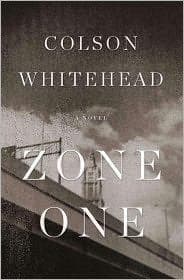
Colson Whitehead, Mireia Carol Gres
A literary zombie novel about cleanup crews in post-outbreak Manhattan, sharing World War Z's interest in the aftermath and the psychological scars survivors carry.
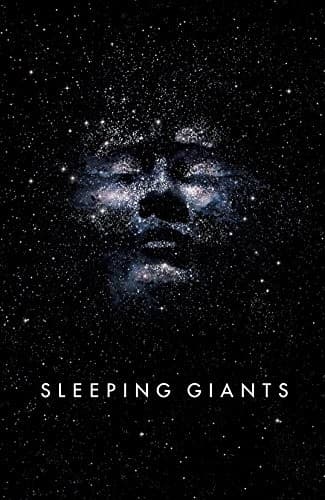
Sylvain Neuvel
Built from interview transcripts and files, this story of a buried giant robot uses the same documentary format that made World War Z so gripping and fast.

Taylor Jenkins Reid
A completely different subject, but the oral-history structure, with clashing recollections from many participants, will delight anyone who loved World War Z's interview style.