
The Call of the Wild
Jack London
Also set in the Klondike gold rush, it follows a domesticated dog pulled back toward primal instinct, the same theme that drives White Fang's story.
Reader-supported: when you buy through links on our site, we may earn an affiliate commission. Learn more

We earn a commission if you buy through these links. Learn more
Find Similar Booksby Jack London
Guide by the Books of the Day editors · Updated · How we write our guides
A wolf-dog's hard education in the Yukon, told from the animal's point of view, makes this short classic a fast, hard-edged read about cruelty, instinct, and trust.
2 creators reviewed White Fang on YouTube between 2015 and 2019, with 60.2K views between them. Their opinions are their own; we picked these reviews, we didn't write them.
White Fang is Jack London's 1906 novel about a wolf-dog born in the Yukon wilderness during the Klondike gold rush era. The story follows him from his first hard months among wolves and his mother's pack through a long run of captivity under different owners. It is as much about how a creature learns to survive as about the people who shape him. London writes from the animal's point of view for most of the book, which gives it a strange, close quality.
The style is spare and physical. London spends time on tracking, cold, hunger, and the rules of the sled-dog camp, and he rarely stops to explain feelings in human terms. Instead, you read behavior and infer motive, much as you would with a real dog. The book is short enough to finish in a few sittings, and much of its pull comes from momentum: each new owner or setting pushes the animal into a harder test.
Reading it is an uneasy experience. Violence is frequent and unsparing, and some scenes of animals fighting are hard to sit through. There is real warmth too, and the book's argument about kindness versus brutality is never subtle. Expect a story that rewards patience and asks you to accept a worldview in which survival and dominance drive almost everything.
The novel treats the pull between the wolf's inherited instincts and the dog's need to bond with people as its core conflict. White Fang has to decide, again and again, which code to live by. London does not present either side as simply good. The wild is harsh but honest, while human society can be both generous and cruel.
Each person White Fang meets teaches him something, and early lessons come mostly through punishment and abuse. The book is a sustained study of how treatment molds temperament. It pushes hard on the idea that harshness breeds fear and aggression, and that patience and care can change an animal's behavior.
Most of the book sees the world through the dog's senses. London interprets scent, hierarchy, and hunger rather than relying on dialogue. This creates an unusual intimacy and makes the human characters seem strange and sometimes unreadable, which is part of the effect.
The northern setting, with its cold, scarcity, and the work of sled dogs, is not background decoration. It sets the rules of the story. London's descriptions of hunger and weather keep the stakes concrete, and readers who enjoy survival fiction will find that the environment carries much of the plot.
Critics have long noted that the book's worldview is hard to separate from its era. Its ideas about heredity, dominance, and the natural order reflect social Darwinist thinking common in the 1900s, and some readers find those undertones uncomfortable. The human characters are drawn in broad strokes, so readers seeking nuanced relationships will find less here. The violence and the emotionally direct ending also divide readers, and the stylized animal narration may feel distant to those used to modern animal fiction.
Book details and cover from Google Books.
Ready to read White Fang?
Get your copy on Amazon, or listen to it on Audible. We earn a commission if you buy through these links.
Jack London
Also set in the Klondike gold rush, it follows a domesticated dog pulled back toward primal instinct, the same theme that drives White Fang's story.
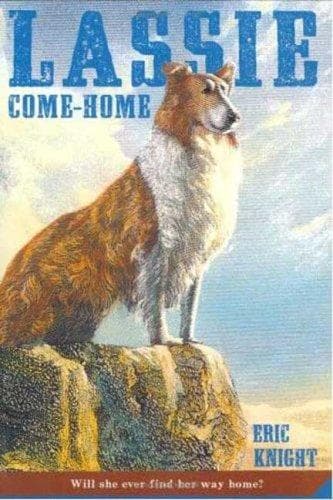
Eric Knight
A devoted collie is separated from her family and makes a long, dangerous journey home, offering the loyalty and animal perseverance that White Fang readers appreciate.
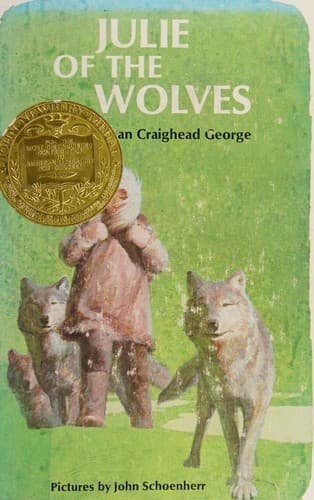
Jean Craighead George
A girl survives in the Arctic by living among a wolf pack, giving a close, respectful view of wolf behaviour and survival like the early chapters of White Fang.
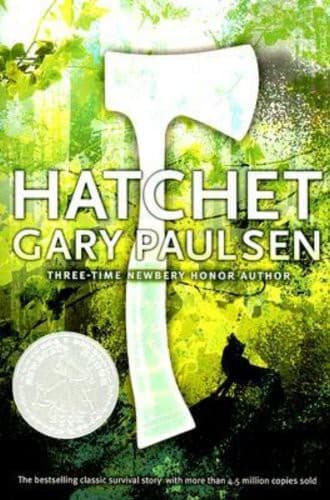
Gary Paulsen
A boy alone in the Canadian wilderness must learn to survive with few tools, echoing the grit and resourcefulness of London's northern setting.