
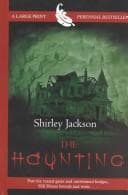
The Haunting of Hill House
Shirley Jackson
Jackson's own haunted-house novel shares the same controlled, claustrophobic prose and the sense that a house itself can work on the people inside it.
Reader-supported: when you buy through links on our site, we may earn an affiliate commission. Learn more
We earn a commission if you buy through these links. Learn more
Find Similar BooksGuide by the Books of the Day editors · Updated · How we write our guides
A tightly controlled, darkly funny gothic novel told by one of the most memorable narrators in American fiction, it rewards readers who enjoy being unsettled by a voice they cannot fully trust.
2 creators reviewed We Have Always Lived in the Castle on YouTube between 2021 and 2024, with 51.5K views between them. Their opinions are their own; we picked these reviews, we didn't write them.
We Have Always Lived in the Castle is narrated by eighteen-year-old Mary Katherine Blackwood, called Merricat, who lives on the family estate with her older sister Constance and their invalid uncle Julian. Six years earlier, most of the household died after a meal laced with arsenic, and Constance was tried and acquitted, but the village has never forgiven the surviving women. The house is a fortress of rituals Merricat has built to keep the outside world at bay.
Jackson tells the story in Merricat's voice, and that voice does most of the work. She is precise, childlike in her logic, and often funny in a deadpan way, so the reader shares her sense that the outside world is a threat and the house a sanctuary. Her lists, superstitions, and buried treasures make the everyday feel charged. The prose is short and clean, and the book moves quickly despite its small cast and a plot that unfolds mostly within the grounds.
Reading it feels like being let into a private world that is cozy and unsettling at once. The book is short and fast, and its suspense is built from tone and implication rather than gore or procedure. Expect a gothic atmosphere, a sharp streak of dark comedy, and a narrator whose reliability you will have to judge for yourself.
Merricat decides what the reader sees, and her childlike logic makes ordinary events feel strange. Part of the pleasure is noticing where her perception bends reality and where it might be accurate. The book asks you to keep weighing her account against the hints the village and the other characters provide.
Merricat's rules, charms, and small ceremonies are her attempt to control a world that has already done harm. Jackson shows how such habits can feel like protection from the inside while looking like obsession from the outside. The rituals make the house feel both safe and airless.
The townspeople treat the Blackwoods with a mix of suspicion, gossip, and cruelty, and their judgments carry the weight of a community that has decided who is guilty. Jackson makes the crowd the real menace, showing how a small place can turn rumor into a verdict that lasts for years.
The Blackwood estate is decaying, crowded with the objects of the dead and the habits of an old family that refuses to change. The setting carries the book's gothic mood, and the decline of the house mirrors the decline of the family's place in the world. It is one of the book's strongest atmospheric elements.
Much of the book's unease comes from the way it makes you laugh at small cruelties and sharp observations. The humor never fully relieves the tension, and it keeps the story from becoming a plain horror tale. Readers who like this blend of wit and dread will find it especially rewarding.
The plot is slight, and the book relies heavily on mood and implication, which some readers find frustrating. Merricat's logic can feel repetitive or claustrophobic over the course of the book, and the cast stays small, so the outside world appears mostly through hostile glimpses. Jackson's portrait of the village and her treatment of class and class-based cruelty reflect the mid-twentieth-century setting and are not developed in depth. Readers looking for a sweeping social novel may come away wanting more.
Book details and cover from Google Books.
Ready to read We Have Always Lived in the Castle?
Get your copy on Amazon, or listen to it on Audible. We earn a commission if you buy through these links.
Shirley Jackson
Jackson's own haunted-house novel shares the same controlled, claustrophobic prose and the sense that a house itself can work on the people inside it.
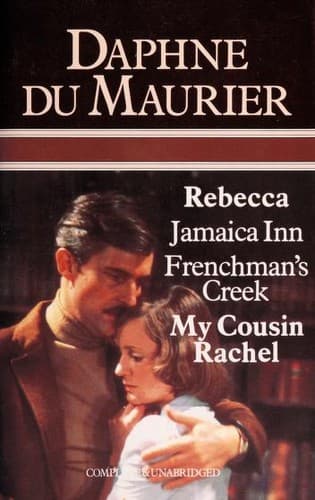
Daphne du Maurier
Like Castle, it centres on a mansion and a narrator outsiders regard with suspicion, with a slow build of dread around a family's dark past.
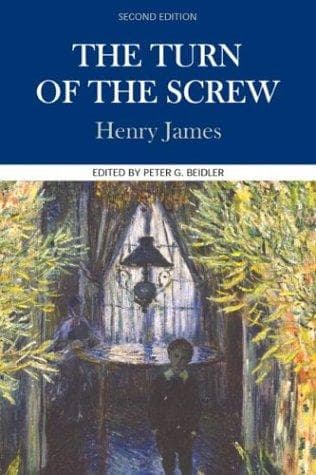
Henry James
A classic of ambiguous menace in an isolated country house, where the reader is left uncertain what is real and who can be trusted.

Ottessa Moshfegh
A bleakly funny, unreliable first-person voice trapped in a dreary world, much like Merricat's odd, defiant view of her surroundings.