
We earn a commission if you buy through these links. Learn more
Rebecca
On screen: Rebecca (film, 1940)
Guide by the Books of the Day editors · Updated · How we write our guides
A haunted house, a nervous new bride, and a dead wife who will not stay buried: Rebecca is gothic suspense that rewards slow reading and even more on a second visit.
What Creators Say About Rebecca
2 creators reviewed Rebecca on YouTube in 2025, with 26.9K views between them. Their opinions are their own; we picked these reviews, we didn't write them.
What It's About
Rebecca, published in 1938, is a novel by Daphne du Maurier. Its narrator is a young woman who never receives a name. She meets Maxim de Winter while working as a paid companion to a fussy, wealthy woman on the Riviera. Maxim is a widower, considerably older than she is, and they marry quickly. She then moves to Manderley, his large estate on the Cornish coast, where the presence of his first wife, Rebecca, still shapes every room, every servant and every conversation. The most vivid figure in the house is the housekeeper, Mrs Danvers, whose devotion to the dead woman is unsettling.
Du Maurier tells the story in the first person, past tense, with the narrator looking back on events. That retrospective voice carries a steady undercurrent of unease. The book builds dread through atmosphere, small domestic details, the gestures of servants and the narrator's own self-doubt rather than through overt horror. The pace is deliberate. The early chapters are intimate and slow, and the mood tightens gradually.
Reading it feels like being inside a mind that second-guesses itself constantly. The gothic conventions are all here, but they are handled with psychological subtlety. Expect a book that rewards attention to what is left unsaid, and a narrator whose view of events you will learn to question.
Read this if you…
- enjoy slow-burn gothic suspense with a strong sense of place
- are interested in psychological novels about jealousy, insecurity and marriage
- like narrators whose version of events you learn to question
Skip it if you…
- need fast plot momentum or a steady stream of action
- prefer heroines who are bold, witty or in control from the first page
Key Ideas
- 1
A rival who never appears
Rebecca is absent from the page yet dominates it. Her reputation is assembled from other people's memories, admiration and resentment, which makes her an idealised rival the narrator can never measure up to. Du Maurier shows how a reputation can become more powerful than a living person, and how a new wife can feel she is competing with a ghost who cannot be defeated.
- 2
Class anxiety and the outsider in the house
The narrator is a young woman without money, status or experience of grand households, and she feels like an impostor at Manderley. Her awkwardness with servants, guests and the rules of her new position reflects the class anxieties of interwar Britain. Much of the book's tension comes from her fear of being found out, rather than from any external threat.
- 3
Setting as emotional weather
Manderley, with its rooms, corridors, gardens and the nearby sea, works almost as a character. Du Maurier uses landscape and architecture to express mood, so that the house seems to hold memories and resentments of its own. Readers who enjoy place-driven fiction will find the setting does much of the emotional work.
- 4
A narrator you cannot fully trust
Because the story is told by someone who is insecure and often wrong about what she sees, the reader must weigh her impressions carefully. Du Maurier withholds information in measured doses, so the pleasure lies in noticing what the narrator misreads, what others avoid saying and how her understanding slowly shifts.
Limitations
The prose is formal and of its period, with long descriptive passages that some modern readers find overwrought. The narrator's self-abasement can grate, and the middle section is felt by many to be repetitive. Its treatment of class and of the heroine's passivity reflects the 1930s and may feel dated. Many readers also come to the book already shaped by the famous 1940 Hitchcock film, which changes some material and can colour expectations.
Questions Readers Ask
- Is Rebecca still worth reading today?
- Yes, especially if you like suspense driven by mood and character rather than plot twists alone. Its portrait of a new wife overshadowed by a predecessor remains recognisable. Some of its social attitudes are clearly of its time, but the psychological tension holds up well and the writing is accomplished and vivid.
- How does Rebecca compare to Jane Eyre?
- Both feature a young, plain-spoken narrator who enters a great house with a troubling secret. Jane Eyre is more openly passionate and its heroine speaks up with force. Rebecca is more subdued and relies on atmosphere and suggestion, so readers who like Brontë's moral intensity may find du Maurier cooler and more ambiguous.
- Should I watch the Hitchcock film before reading the book?
- You can, but reading the book first lets its ambiguity and inner voice work on you without a settled image. The 1940 film keeps much of the mood but changes significant material. Many readers find the book more unsettling and the film more polished, so comparing them afterwards is rewarding.
- Published
- 1938
- ISBN
- 9784444415569
- Difficulty
- beginner
- Category
- Fiction
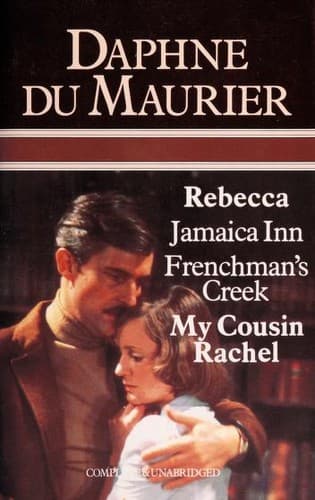
Book details and cover from Google Books.
Ready to read Rebecca?
Get your copy on Amazon, or listen to it on Audible. We earn a commission if you buy through these links.