
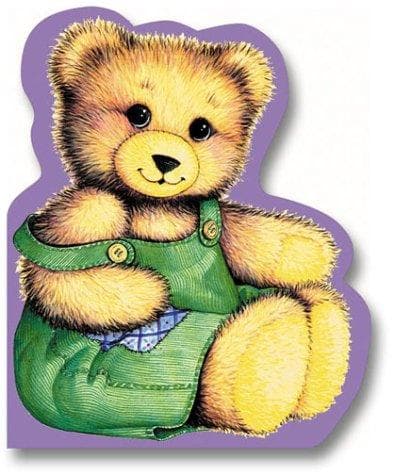
Corduroy
Don Freeman
Like the Velveteen Rabbit, Corduroy is a plush toy who longs to belong. Freeman's gentle picture book shows a lonely toy finding a home, with the same warm, simple affection.
Reader-supported: when you buy through links on our site, we may earn an affiliate commission. Learn more
We earn a commission if you buy through these links. Learn more
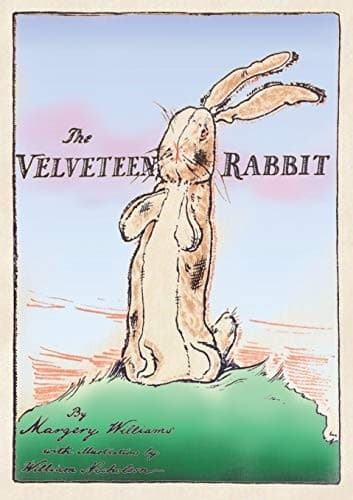
Find Similar Booksby Margery Williams, Nicholson, William
Guide by the Books of the Day editors · Updated · How we write our guides
A short, tender children's classic about what it takes for a toy, or anyone, to feel real, and why being loved always comes with a cost.
2 creators reviewed The Velveteen Rabbit on YouTube between 2018 and 2020, with 9.9K views between them. Their opinions are their own; we picked these reviews, we didn't write them.
The Velveteen Rabbit is a short children's story, first published in 1922 with illustrations by William Nicholson, that follows a stuffed toy rabbit from the moment he arrives in a boy's nursery. Margery Williams wrote it for young readers, but its central question is one adults keep returning to: what does it mean for something to become real? The book is told in a gentle, slightly formal narrator's voice, the kind that works well read aloud at bedtime, and it moves quickly through a series of short episodes, each one showing a new stage in the rabbit's life.
Much of the book's force comes from its small cast. The rabbit is new and a little naive, the older toys who have been loved for years have firm opinions about what matters, and the household is mostly seen from the floor. Williams keeps the stakes domestic: a rainy afternoon, a rough season in the house, a toy that gradually falls out of favor. Nothing is spectacular, and that is deliberate. The emotional weight builds from repetition and from the reader's knowledge that toys, like children, are eventually outgrown.
Reading it as an adult is a different experience from reading it as a child. Some passages feel sugary, and the sentiment is laid on openly rather than hidden. Still, the book is brief enough to finish in one sitting, and it rewards a second reading with a quiet sense of loss. Expect to be moved, and expect to want to hug someone afterward.
The story's central teaching comes from an older, worn toy who explains that becoming real is a slow process rather than a single event. Being handled, cherished, and worn down by affection is what gives a toy its reality. The idea is simple, but Williams presents it as something that can be uncomfortable to hear, because the process involves change and damage rather than polish and perfection.
The rabbit is shabby and far from impressive, and the book steadily argues that appearance is beside the point. Value comes from attachment and from the relationship between a child and a toy. This makes the book a useful gentle counterweight to the idea that things matter because they are new, expensive, or well made.
Williams does not pretend that attachment is safe. Being loved exposes a toy to wear, neglect, and eventual separation. Rather than treating this as a warning, the book accepts it as part of how love works, which is why many readers find it more honest than typical bedtime stories about toys that never change.
The prose is plain, rhythmic, and repetitive in ways that suit reading aloud. Short sentences and a warm narrator let the emotional beats land without much decoration. Nicholson's illustrations sit alongside the text and reinforce its tone, so the book works as both a story and a small picture-driven object.
Much of the interest lies in the toys' own world, with its social pecking order, its rumors, and its quiet assumptions about who belongs. Williams treats the nursery as a complete society in miniature, which gives adult readers a light and sometimes wry perspective on childhood and on how people decide what counts as valuable.
Adult readers often find the sentiment heavy-handed, and the book makes its emotional points openly rather than letting them emerge slowly. The prose has an old-fashioned cadence that can feel formal or dated. The toys are more types than fully developed characters, and the world beyond the nursery barely appears. The family setting reflects the upper-middle-class assumptions of early twentieth-century England and America, so some readers will find it narrow. It is a small book with a clear purpose, and it does not try to be more.
Book details and cover from Google Books.
Ready to read The Velveteen Rabbit?
Get your copy on Amazon, or listen to it on Audible. We earn a commission if you buy through these links.
Don Freeman
Like the Velveteen Rabbit, Corduroy is a plush toy who longs to belong. Freeman's gentle picture book shows a lonely toy finding a home, with the same warm, simple affection.
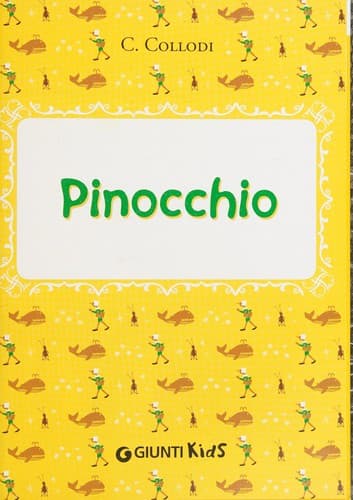
Carlo Collodi
Pinocchio also wants to become real, and his wish to be loved drives the whole story. Readers who loved the rabbit's longing will enjoy this older, more mischievous tale of a wooden puppet.
Munro Leaf
Ferdinand is a gentle character who is true to himself, much as the rabbit is true to his love. This short, quiet picture book has the same unhurried warmth and gentle humour.
Antoine de Saint-Exupéry
Like the Velveteen Rabbit, this book holds that love makes things precious and real. Its gentle, philosophical voice and bittersweet feeling will appeal to readers who loved the rabbit's tender heart.