Reader-supported: when you buy through links on our site, we may earn an affiliate commission. Learn more

Cover of The Secret Garden
Buy on AmazonBuy on Bookshop.orgListen on Audible

We earn a commission if you buy through these links. Learn more

Find Similar Books

The Secret Garden

by Frances Hodgson Burnett

Children's Books
★★★★☆4.0 (1)

Guide by the Books of the Day editors · Updated · How we write our guides

A quiet, warm classic about a grieving, difficult girl, a neglected garden, and the slow healing that comes from hard work, fresh air, and unexpected friendship.

What Creators Say About The Secret Garden

2 creators reviewed The Secret Garden on YouTube between 2015 and 2017, with 152.3K views between them. Their opinions are their own; we picked these reviews, we didn't write them.

THE SECRET GARDEN BY FRANCES HODGSON BURNETT // ANIMATED BOOK SUMMARYThe Book Tutor on YouTube109.2K views · 2017
The Secret Garden by Frances Burnett (Book Summary) - Minute Book ReportMinute Book Reports on YouTube43.1K views · 2015

What It's About

The Secret Garden is a children's novel from 1911 about Mary Lennox, a ten-year-old raised by servants in colonial India who is sent to live with an uncle she has never met on the Yorkshire moors. Burnett writes in a warm, observant third person that follows Mary's sulks closely, so the early chapters are as much about a spoiled child's rudeness as anything else.

Rather than a fast plot, the book moves through small, concrete steps: exploring the grounds, forming an uneasy bond with a gardener and a local boy who has an easy way with animals, and the slow work of bringing an abandoned walled garden back to life. Burnett leans on the sensory pleasures of spring, soil, birds, and wind, so the reader feels the pace is deliberate. Parts of the middle are gentle to the point of drift, while the emotional payoff gathers in the final stretch.

Reading it is less like following a mystery than sitting in a sickroom with the windows open. The tone is sentimental in the Victorian manner, yet Burnett's attention to children's inner lives, including how they lie to themselves and how they cope with loss, keeps it from feeling saccharine. Expect a short, quiet book with a strong dose of hope, and a few passages that read more gracefully aloud than silently.

Read this if you…

  • want a classic about grief and recovery that is gentle rather than tearful
  • enjoy slow, sensory nature writing and don't mind a book that builds quietly
  • are reading with a child of roughly eight to twelve, or want to revisit it as an adult

Skip it if you…

  • need fast plot momentum or a clear mystery to keep you turning pages
  • find sentimental, moralizing children's fiction hard to enjoy, or prefer contemporary, realistic characters

Key Ideas

  1. 1

    Grief as something children must work through

    Mary arrives numb and hostile after losing her parents. The book treats her anger and withdrawal as a natural response rather than a flaw to be punished, and it shows how small daily routines and steady attention begin to thaw her.

  2. 2

    Nature as a practical form of healing

    The garden is restored by hand. The children dig, weed, and watch things grow, and their recovery comes from fresh air, exercise, and routine rather than a sudden miracle. The book's talk of magic is ambiguous and is better read as a story about belief and effort.

  3. 3

    Illness, belief, and the power of the mind

    Colin is treated as an invalid by adults who indulge his fears, and the story asks how expectations shape the body. Its faith in mind-over-body cures reflects the medical ideas of its era, which modern readers will likely find dated.

  4. 4

    A view beyond the manor walls

    Martha, Ben, and Dickon give Mary a glimpse of a life lived outside her privileged world. Burnett's rendering of Yorkshire speech and working-class characters is affectionate but reflects her period, and it is worth reading with that in mind.

Limitations

The prose is of its time. The sentiment runs thick, the children's tantrums and sudden changes of heart can feel melodramatic, and the medical beliefs about invalidism and fresh air read as quaint now. The Yorkshire dialect in the dialogue of Martha and Dickon can slow younger readers. Passages touching on India and on servants reflect the colonial attitudes of the period and may need context. The middle section moves slowly, and the book's spiritual, almost mystical undertone is not everyone's taste.

Questions Readers Ask

Is The Secret Garden still worth reading as an adult?
Yes, especially if you loved it as a child. Adults tend to notice the sentiment and the dated medical ideas more, but Burnett's close look at grief and her nature writing still hold up well. It rewards a reread more than many children's classics do.
How does it compare to A Little Princess?
Both are Burnett classics about lonely girls changed by kindness and hard circumstances. A Little Princess is more plot-driven and leans harder on the heroine's fortunes, while The Secret Garden is quieter, with the garden itself doing much of the emotional work.
Published
2007
ISBN
9780553904383
Difficulty
beginner
Category
Children's Books

Book details and cover from Google Books.

Ready to read The Secret Garden?

Get your copy on Amazon, or listen to it on Audible. We earn a commission if you buy through these links.

Books Like The Secret Garden

View all →
Cover of Tom's Midnight Garden

Tom's Midnight Garden

Philippa Pearce

Like Mary discovering the hidden garden, Tom slips into a secret outdoor world that only he can enter. Pearce builds a quiet, atmospheric story about wonder, loneliness and friendship that will suit fans of Burnett's gardens.

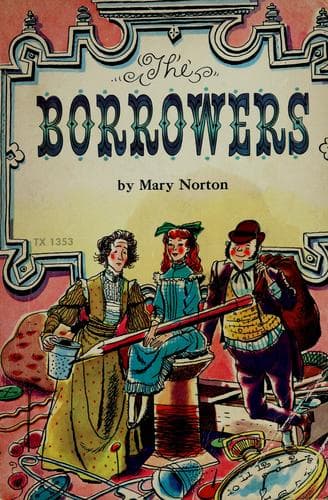
Cover of The Borrowers

The Borrowers

Mary Norton

A tiny family lives unseen beneath an old English house, much as Mary uncovers a concealed world on the estate. Its careful domestic detail and sense of a hidden place echo the secret garden's charm.

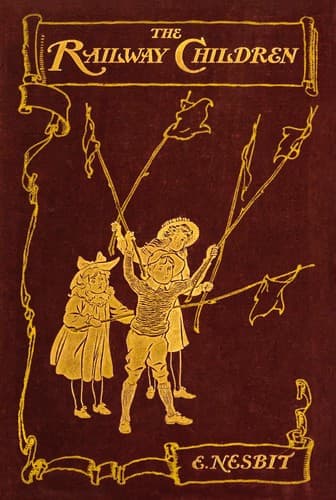
Cover of The Railway Children

The Railway Children

Edith Nesbit

Three siblings are uprooted to the countryside and make the most of their new surroundings. Nesbit's fresh, lively voice and the joy of discovering a new place mirror the spirit of Mary's gradual awakening.

Cover of Anne of Green Gables

Anne of Green Gables

L. M. Montgomery

An imaginative orphan arrives in a rural community and gradually wins a place in it. Anne's vivid inner life and love of landscape will appeal to readers who connected with Mary's journey from loneliness to belonging.

Explore More