Reader-supported: when you buy through links on our site, we may earn an affiliate commission. Learn more

Cover of The School for Good and Evil
Buy on AmazonListen on Audible

We earn a commission if you buy through these links. Learn more

Find Similar Books

The School for Good and Evil

by Soman Chainani

Children's Books
★★★★★4.5 (10)

A sharp, funny fairy-tale reversal that puts two mismatched best friends in the wrong schools and asks whether looks, reputation, or choices make someone good.

What It's About

Every four years, two children vanish from the village of Gavaldon, taken to a hidden school that trains the heroes and villains of future fairy tales. Sophie, pretty and obsessed with becoming a princess, is sure she belongs among the Evers. Her gloomy, sharp-tongued friend Agatha seems destined for the Nevers. When the two are swapped, each must survive a school built for someone else, and the question of who truly belongs where drives the whole story.

Chainani writes with brisk energy and a wicked sense of humor. The lessons, rivalries, and school rituals parody classic fairy tales while borrowing the boarding-school appeal of Harry Potter. Underneath the spectacle, the heart of the book is the friendship between Sophie and Agatha: loyal, jealous, and frequently tested. A love triangle involving the prince Tedros adds tension without taking over.

Reading it feels like a long, eventful adventure with plenty of cliffhanger chapter endings. It is a sizable book for middle-grade readers, packed with set pieces, magical trials, and shifting loyalties, and it opens a six-book main series. Younger readers will enjoy the action and comedy; older ones will notice how the story pokes at the idea that beauty equals virtue and ugliness equals wickedness, even when it doesn't fully escape those tropes itself.

Read this if you…

  • love fractured fairy tales and magic-school settings with a satirical edge
  • want a story driven by a complicated friendship rather than just romance
  • enjoy long, twisty adventures that start a series you can keep going with

Skip it if you…

  • dislike unlikable protagonists, since Sophie can be exhausting to spend time with
  • prefer subtle themes over messages that are stated quite openly

Key Ideas

  1. 1

    Good and evil are not appearances

    The book's central provocation is that the fairy-tale shortcut of linking beauty with goodness and ugliness with villainy is unreliable. Sophie's charm hides vanity and selfishness, while Agatha's grim exterior covers kindness and courage. Watching each girl misjudged by a school that sorts by surface encourages readers to look past image and judge people by what they actually do.

  2. 2

    A friendship under real pressure

    Rather than centering romance, the story makes the bond between two very different girls its emotional core. Their friendship is lopsided, competitive, and sometimes painful, and Chainani doesn't pretend it's easy. The tension between loyalty and self-interest gives the book more emotional weight than a typical magic-school romp and sets up questions the rest of the series continues to explore.

  3. 3

    Fairy-tale parody with genuine stakes

    Classes, uniforms, and school traditions gleefully skewer princess etiquette and villain training, making the setting fun to explore. But the humor sits alongside real danger, cruelty, and transformation. The blend of satire and peril keeps the tone lively, letting readers laugh at fairy-tale conventions while still caring about what happens to the characters inside them.

  4. 4

    Identity is something you choose

    Both girls are told who they are by others, by the village, the school, and the stories they grew up on. The plot keeps testing whether destiny is fixed or whether people can decide their own nature. It's an accessible way for young readers to think about labels, expectations, and the gap between how others see us and who we become.

Limitations

Some readers find the book overlong, with a crowded middle section and plot turns that rely on convenient magic. Its critique of beauty standards is undercut at times by vivid descriptions that still equate physical ugliness with wickedness, and some feel it reinforces the gender roles it means to mock. Sophie's self-absorption grates on many readers, and the ending divides opinion. The violence and darker moments may be intense for the youngest readers in the middle-grade range.

Questions Readers Ask

What age is The School for Good and Evil for?
It's generally aimed at readers around 9 to 13, though plenty of teens and adults enjoy it. The vocabulary is accessible, but the length, some frightening scenes, and mild romance make it better suited to confident middle-grade readers than early chapter-book readers.
Is the book better than the Netflix movie?
Most fans prefer the book. The novel has more room for the school's quirky details, the slow shifts in Sophie and Agatha's friendship, and the humor of the setting. The film compresses a lot and changes certain elements, so reading first gives a fuller sense of the characters.
How does it compare to Harry Potter?
Both feature a magical school, house-like divisions, and young heroes facing danger, but this book is more of a fairy-tale satire. Its focus is the friendship of two girls and the meaning of good versus evil, rather than a chosen-one quest against a single dark lord.

What Creators Say About The School for Good and Evil

Reviews from readers on YouTube. Their opinions are their own.

The School for Good and Evil Series Review *UPDATED OPINIONS* (books 1-6)Lauren Kiss Reads on YouTube
The School for Good and Evil - Spoiler Free ReviewStill Waiting For My Satyr on YouTube
Published
2013
ISBN
9780062104915
Difficulty
beginner
Category
Children's Books

Book details and cover from Google Books.

Ready to read The School for Good and Evil?

Get your copy on Amazon, or listen to it on Audible. We earn a commission if you buy through these links.

Books Like The School for Good and Evil

View all →
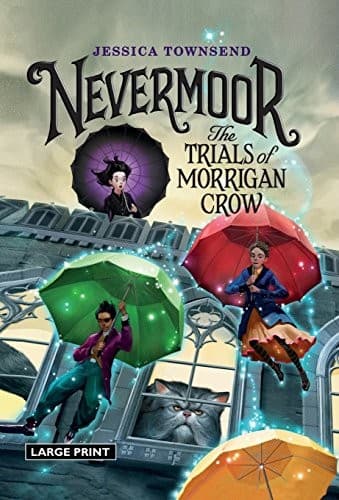
Cover of Nevermoor

Nevermoor

Jessica Townsend

A cursed girl is whisked into a magical city and must pass trials to join an elite society, offering the same wonder, outsider heroine and secret-filled institution as Chainani's school.

Cover of The Magic Thief

The Magic Thief

Sarah Prineas

A street thief becomes an apprentice wizard in a city of magic. Like Agatha, he is an unlikely fit for his new world and must prove himself through wit and courage.

Cover of A Tale Dark and Grimm

A Tale Dark and Grimm

Adam Gidwitz

Hansel and Gretel wander through the real, gruesome Grimm stories with a cheeky narrator, delivering the same darkly funny, subversive take on fairy tales that makes Chainani's book so fun.

Explore More