
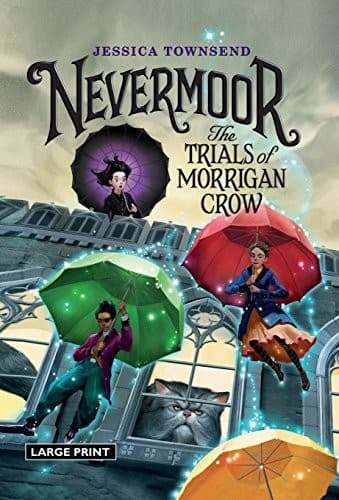
Nevermoor
Jessica Townsend
Like Harry, Morrigan Crow is an unloved child swept into a dazzling secret city, where she must pass trials to join a magical society. It has the same mix of wonder, humour and belonging.
Reader-supported: when you buy through links on our site, we may earn an affiliate commission. Learn more
We earn a commission if you buy through these links. Learn more
Find Similar BooksOn screen: Harry Potter and the Philosopher's Stone (film, 2001)
Guide by the Books of the Day editors · Updated · How we write our guides
The book that launched a global phenomenon still works as a quick, funny, warmly paced school story with a satisfying mystery, and it asks very little of its reader before the magic takes hold.
2 creators reviewed Harry Potter and the Philosopher's Stone on YouTube between 2016 and 2020, with 14.2K views between them. Their opinions are their own; we picked these reviews, we didn't write them.
Harry Potter and the Philosopher's Stone is the first book in J. K. Rowling's Harry Potter series, published in Britain in 1997 under the title Philosopher's Stone. The US edition appeared the following year as Sorcerer's Stone. It follows an eleven-year-old boy who has been raised by relatives who resent him, and who discovers that he has a place in a hidden world of witchcraft and wizardry. Much of the early pleasure comes from the contrast between the cramped, unkind house he has known and the strange, cheerful machinery of the boarding school he is invited to attend.
Rowling keeps the narration close to Harry's point of view, so the reader learns the wizarding world at the same pace he does. Information arrives in small, well-placed doses, and the mystery is built like a classic children's detective story, with clues tucked into ordinary-seeming places. The tone is brisk and often funny, especially in the scenes of school life: lessons, classmates, meals, rivalries between houses, and a memorable cast of teachers.
Reading it feels like being a child again: quick, warm, a little anxious, and rewarded by small inventions on nearly every page. It is shorter and lighter than the later books in the series, and it works as a self-contained entry point. Adult readers often find it a pleasant, fast read rather than a demanding one, and younger readers tend to take it entirely on its own terms.
Harry's central experience is discovering that he has been missing a community that was his all along. The book treats this discovery with real emotional weight, showing how being unwanted at home makes the welcome at school feel enormous. Much of the story's warmth comes from this sense of finding a place where you are valued for who you are.
The plot runs on a puzzle that the reader can piece together alongside Harry. Rowling plants details early that seem incidental and only later reveal their purpose. Readers who enjoy noticing things will find the structure rewarding, and it is a good model for how a children's mystery can play fair with its audience.
Much of the book's charm lies in ordinary school life transformed by magic: unpredictable lessons, enchanted objects, sports played on broomsticks, and the friction between students. The humour is gentle and character-driven, and it keeps the book lively even in its quieter stretches. Many readers remember these scenes more vividly than the plot.
Harry's friendships with his new classmates are the emotional core of the book. The story values bravery shown through loyalty and care for others more than skill or status. These themes are simple and clearly drawn, which suits its young readership while still giving adults something to appreciate.
The book is deliberately simple in its characterisation, and some readers find the villains and supporting figures thin compared with what comes later in the series. Its worldbuilding is introduced quickly and sometimes through exposition that feels like a tour of the setting. The prose is plain and brisk, which many adults appreciate but some find lightweight. Later critics have also raised questions about the book's portrayal of the Dursleys and some of its class and gender assumptions, which are worth noticing when reading it today.
Book details and cover from Google Books.
Ready to read Harry Potter and the Philosopher's Stone?
Get your copy on Amazon, or listen to it on Audible. We earn a commission if you buy through these links.
Jessica Townsend
Like Harry, Morrigan Crow is an unloved child swept into a dazzling secret city, where she must pass trials to join a magical society. It has the same mix of wonder, humour and belonging.
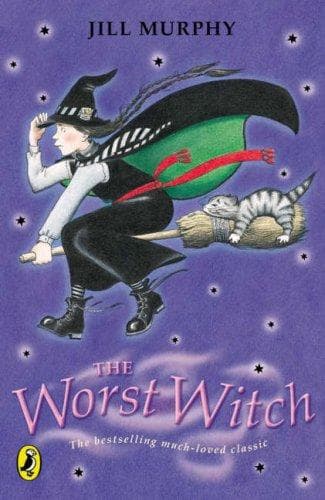
Jill Murphy
A shorter, gentler magic-school story about clumsy Mildred Hubble at Miss Cackle's Academy. Fans of Hogwarts classrooms, strict teachers and broomstick mishaps will enjoy its funny, cosy boarding-school charm.
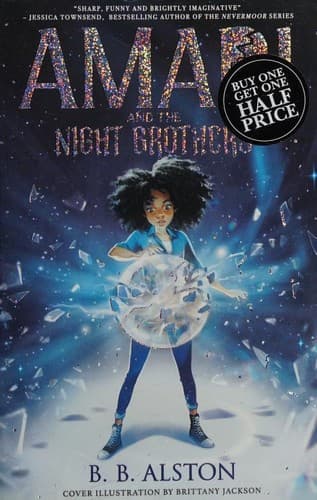
B. B. Alston, Lluïsa Moreno Llort
Amari discovers a secret Bureau of Supernatural Affairs and joins a summer training programme while hunting for her missing brother. It shares Harry's outsider-finds-a-hidden-world energy and puzzle-driven plotting.
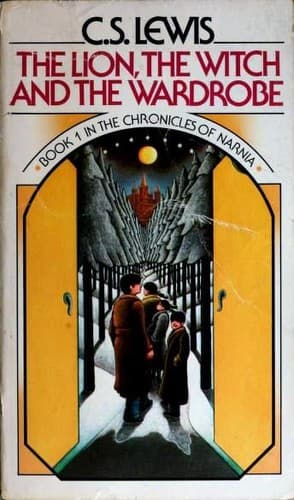
C. S. Lewis
Four children step through a wardrobe into Narnia, a land under a wicked witch's spell. Readers who loved Harry's first glimpse of magic will find the same sense of doorway-into-wonder.