
The First Fifteen Lives of Harry August
Claire North
Like Ursula, Harry is reborn into the same twentieth-century life each time he dies, and uses accumulated memory to try to change events, blending historical sweep with a cleverly plotted puzzle.
Reader-supported: when you buy through links on our site, we may earn an affiliate commission. Learn more
We earn a commission if you buy through these links. Learn more
Find Similar BooksGuide by the Books of the Day editors · Updated · How we write our guides
A clever, tender novel that turns one woman's repeated births and deaths into a meditation on chance, choice and the violence of the twentieth century.
2 creators reviewed Life After Life on YouTube in 2013, with 37.7K views between them. Their opinions are their own; we picked these reviews, we didn't write them.
Life After Life follows Ursula Todd, born on a snowy night in 1910 into a comfortable English family. Rather than one life, the novel gives her many, each one ending abruptly and each time rewinding to a moment earlier so the story can carry on in a different direction. Atkinson uses this device not as a gimmick but as a way of examining how a single small decision can ripple outward across decades.
The approach is patient, wry and closely observed. Early chapters are full of domestic friction, social manners and the small comedies of a large household, and the tone darkens steadily as the story moves toward the Blitz and the two world wars. Atkinson shifts between perspectives and periods, and the reader is asked to hold on to what each version of Ursula seems to sense, half remember or simply fear.
Reading it is rewarding and sometimes unsettling. Repetition is part of the pleasure: you notice echoes, recurring figures and details that return changed. It asks for attention and a tolerance for uncertainty, and it suits readers who enjoy seeing a familiar story rearranged rather than told straight.
The novel keeps asking how much of a life is fixed and how much depends on a door opened or a moment hesitated. Each variation shows minor events shifting outcomes that look enormous in hindsight, so the book explores the tension between fate and agency without settling it neatly.
Because earlier episodes return in new forms, the reader's understanding builds across the book. Scenes you thought you had understood take on new weight, and the structure makes memory and second chances a literal part of how the story is read.
The Todd household is a finely drawn portrait of class, marriage and the narrow options open to women of the period. Atkinson gives ordinary domestic life real texture, so the larger historical forces feel personal rather than abstract.
No version of Ursula's life escapes the wars. Atkinson treats the violence and randomness of wartime with unflinching detail, and the question of whether anyone can change the outcome gives the book its moral urgency.
The book is frequently funny, with a sharp eye for absurdity and social awkwardness, yet the deaths and losses are handled with genuine feeling. The mix of wit and sorrow is what most readers remember after finishing.
Some readers find the early cycles of death and rebirth wearing, and the middle stretches can feel slow before the book picks up momentum. The novel is long, and its sense of a larger destiny is never fully explained, which frustrates readers who want a clear logic or resolution. Critics have also questioned whether its portrayal of wartime violence and women's lives is always as sharp as its best passages.
Book details and cover from Google Books.
Ready to read Life After Life?
Get your copy on Amazon, or listen to it on Audible. We earn a commission if you buy through these links.
Claire North
Like Ursula, Harry is reborn into the same twentieth-century life each time he dies, and uses accumulated memory to try to change events, blending historical sweep with a cleverly plotted puzzle.
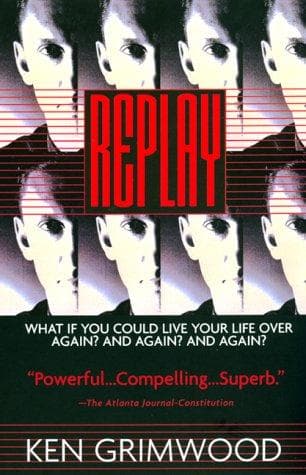
Ken Grimwood
A classic of the repeated-life idea: a man dies at forty-three and wakes up in his younger body, again and again. Readers who enjoyed Ursula's second chances will find the same bittersweet questions about choice.
Matt Haig
Nora explores the alternate lives she might have lived after a single moment of crisis. Lighter and more fable-like than Atkinson, but built on the same fascination with paths not taken.
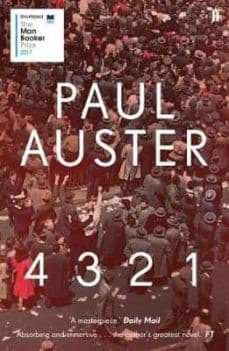
Paul Auster
One boy, Archie Ferguson, lives four parallel versions of his life across postwar America. Fans of Atkinson's branching structure will relish this ambitious, absorbing take on how chance shapes a person.