
The Hunger Games
Suzanne Collins
Like Legend, it pits a resourceful teen against a brutal regime that exploits the poor, with relentless pacing, survival stakes and a growing awareness of how propaganda keeps citizens in line.
Reader-supported: when you buy through links on our site, we may earn an affiliate commission. Learn more
We earn a commission if you buy through these links. Learn more
Find Similar Booksby Marie Lu
A brisk, twin-narrated dystopian thriller where a teenage military prodigy hunts the Republic's most wanted boy, and the chase slowly exposes what their country is hiding.
Legend is set in a future where the western United States has become the Republic, a militarized state locked in endless war and run on rigid class lines. June is a gifted fifteen-year-old from the privileged elite, fast-tracked toward a top military career. Day is a fifteen-year-old from the slums who has become a folk-hero criminal by sabotaging the government. When June's older brother is killed and Day is blamed, she is assigned to track him down, and the two are pulled into each other's orbit.
Marie Lu tells the story in alternating first-person chapters, switching between June and Day. That structure is the book's engine. You see the same city, and often the same events, from opposite ends of society, which builds tension and lets you understand both characters before they fully understand each other. Lu has said the setup was inspired by the hunter-and-hunted dynamic of Les Misérables, and that cat-and-mouse energy drives the first half.
The reading experience is fast and cinematic: short chapters, rooftop chases, street fights, and a steady drip of revelations about the Republic. The prose is clean and accessible rather than literary, and a slow-building romance runs alongside the action. It reads in a few sittings and ends with clear momentum into the rest of the trilogy, Prodigy and Champion.
Alternating chapters between June and Day give the book its shape. June sees the Republic as a system that rewards merit; Day sees it as a machine that grinds down the poor. Watching both viewpoints collide makes the class divide concrete and keeps readers reassessing who is right, rather than simply being told the government is bad.
June begins as a loyal, brilliant product of the system. Much of the book's emotional weight comes from her gradually noticing gaps between official stories and what she observes. It is a compact, accessible portrait of how propaganda works on smart people and what it costs to start doubting the institutions that shaped you.
Both leads are prodigies, and Lu leans into it. June reads crime scenes and people with almost detective-like precision; Day relies on improvisation, agility, and street knowledge. Fights and escapes often hinge on observation and quick reasoning, which gives the thriller sequences a puzzle-like quality beyond pure spectacle.
Neither character is driven mainly by ideology at the start. June wants justice for her brother; Day is desperate to protect his mother and brothers in a plague-stricken sector. Grounding the stakes in family keeps the story personal and gives the political reveals more impact when they arrive.
Legend arrived at the height of the YA dystopia boom, and it shares many of that wave's familiar ingredients: an authoritarian state, exceptional teenagers, a rigged test, and a budding romance. Some readers find the two leads too gifted to be fully believable, and the two narrative voices can sound similar despite the different perspectives. The worldbuilding sketches the Republic's politics and wider geography only lightly, saving much for later books. Several plot turns will feel predictable to experienced genre readers, though the pacing usually carries them through.
Reviews from readers on YouTube. Their opinions are their own.
Book details and cover from Google Books.
Ready to read Legend?
Get your copy on Amazon, or listen to it on Audible. We earn a commission if you buy through these links.
Suzanne Collins
Like Legend, it pits a resourceful teen against a brutal regime that exploits the poor, with relentless pacing, survival stakes and a growing awareness of how propaganda keeps citizens in line.
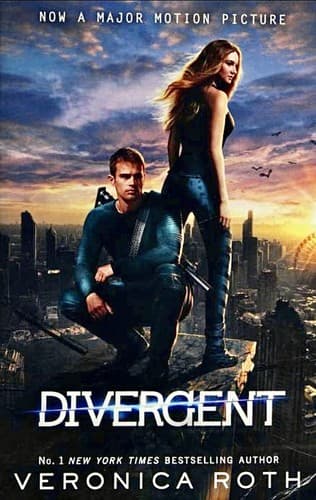
Veronica Roth
A rigid society, a heroine trained for combat, and secrets buried by those in power. Fans of June's military world will enjoy Tris's initiation and the fast action set in a ruined Chicago.
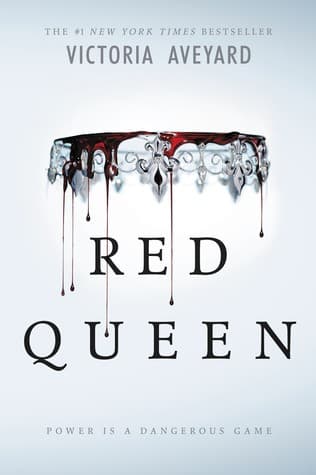
Victoria Aveyard
A girl from the poor underclass is thrust into the elite's world, mirroring Legend's rich-versus-poor divide, with political intrigue, betrayals and a tense romance across class lines.
Sabaa Tahir
Alternating chapters between a soldier of a militarised empire and a girl from the oppressed, much like June and Day, building tension and an unlikely bond under a cruel regime.