
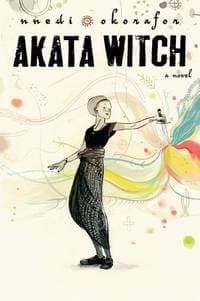
Akata witch
Nnedi Okorafor
Like Adeyemi's book, it draws on Nigerian culture and folklore for its magic, following a young protagonist who discovers a hidden world of powers and must master them to face real danger.
Reader-supported: when you buy through links on our site, we may earn an affiliate commission. Learn more
We earn a commission if you buy through these links. Learn more
Find Similar Booksby Tomi Adeyemi
A fast, vividly imagined YA fantasy rooted in West African culture, where a girl fights to bring magic back to a people a king tried to erase.
Children of Blood and Bone is set in Orïsha, a kingdom where magic once flowed through the maji, people marked by white hair and divine gifts. Years ago the king stripped magic away and slaughtered maji adults in a brutal purge, leaving their children, including Zélie Adebola, to grow up as a persecuted underclass. When a chance to restore magic surfaces, Zélie is pulled into a dangerous journey alongside her protective brother Tzain and Amari, a runaway princess. Close behind is Inan, the crown prince, who has his own reasons for wanting to stop them.
Tomi Adeyemi draws heavily on Yoruba language, deities, and imagery, which gives the world a texture that stands apart from the usual European-flavored fantasy. The story rotates between first-person chapters from Zélie, Amari, and Inan, so you see the conflict from both the oppressed and the ruling side. The plot moves like an adventure film: chases, arena fights, hidden camps, and a ticking deadline.
Reading it feels urgent and emotional rather than contemplative. Underneath the quest is a clear commentary on state violence and systemic injustice, which Adeyemi has said was shaped by real-world police killings of Black Americans. It is the first book in the Legacy of Orïsha trilogy, so expect momentum toward a larger story rather than a fully self-contained one.
The maji are not just a magical minority; they are taxed, policed, and brutalized by a state that fears them. Adeyemi uses this setup to explore how systemic injustice works, how it is justified by those in power, and how it shapes the anger and trauma of those who live under it. The allegory is deliberate and fairly direct.
Gods, incantations, clan names, and much of the setting draw on Yoruba culture and language. For many readers this is the book's biggest draw: a big, cinematic fantasy that centers Black characters and African-inspired mythology instead of medieval Europe, with ridable giant animals and distinct magic types adding color.
Switching between Zélie, Amari, and Inan lets the story show the same conflict from opposing positions. Amari and Inan, children of the oppressor, must reckon with what their father has done, while Zélie wrestles with whether vengeance or healing should drive her. The rotating view keeps moral questions in play.
Magic here is both liberation and danger. Characters debate whether restoring it will bring justice or just a new cycle of violence, and the book doesn't treat power as purely good. Personal guilt, especially inherited guilt within the royal family, runs alongside the bigger political stakes.
The most frequent complaint is the romance between Zélie and Inan, which many readers find rushed and hard to believe given their history. Inan's frequent shifts in loyalty can feel more plot-driven than character-driven. Some readers note familiar YA tropes beneath the fresh setting, and the worldbuilding is sometimes delivered quickly rather than explored in depth. The violence, including torture, is intense for younger teens. As the opener of a trilogy, it leaves major threads open, and the sequels were spaced out over several years.
Book details and cover from Google Books.
Ready to read Children of Blood and Bone?
Get your copy on Amazon, or listen to it on Audible. We earn a commission if you buy through these links.
Nnedi Okorafor
Like Adeyemi's book, it draws on Nigerian culture and folklore for its magic, following a young protagonist who discovers a hidden world of powers and must master them to face real danger.
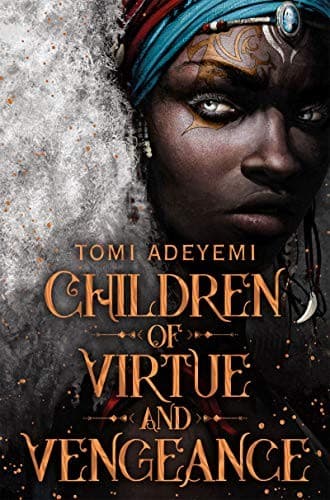
Adeyemi
Placeholder removed.