
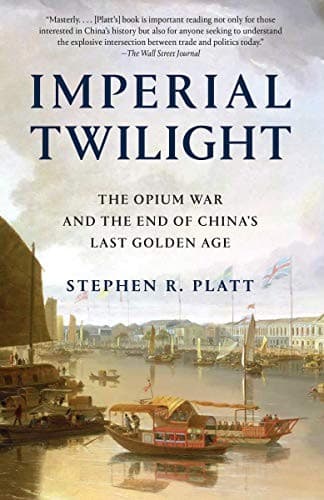
Imperial Twilight
Stephen R. Platt
Covers the same Opium War era and the decline of the Qing court in vivid detail. Like Lovell, Platt shows how a crumbling empire's blunders and misreadings of foreigners led to humiliating defeat.
Reader-supported: when you buy through links on our site, we may earn an affiliate commission. Learn more
12 books to read next
If you loved The Opium War by Julia Lovell
Readers who loved The Opium War usually enjoy close, sceptical history that unpicks a national story. Julia Lovell writes with dry wit about bureaucratic blunders, misjudged wars and the myths that grew from them. She also examines how China remembers its past and how Western and Chinese prejudices have shaped each other. The book reads as both narrative and argument, clear rather than heated.
Stephen R. Platt
Covers the same Opium War era and the decline of the Qing court in vivid detail. Like Lovell, Platt shows how a crumbling empire's blunders and misreadings of foreigners led to humiliating defeat.
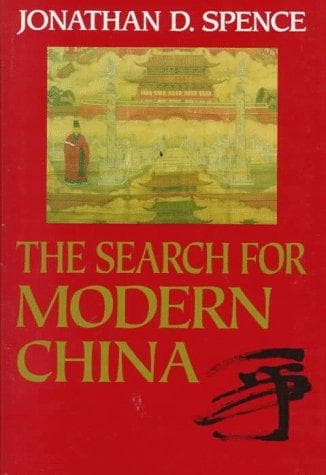
Jonathan D. Spence
A broad, readable survey of China from the late Ming to the 1990s. It gives the wider context in which the Opium War sits, with the same clarity and attention to individual characters.
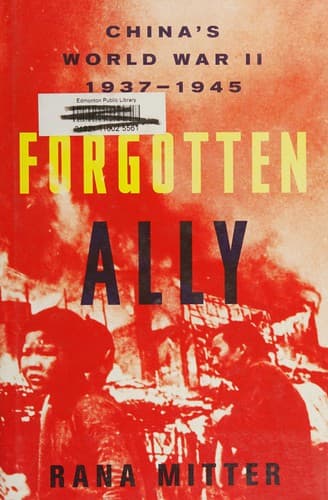
Rana Mitter
Retells China's war against Japan, a conflict the Chinese state has also turned into a national myth. Readers who valued Lovell's focus on memory and propaganda will find the same questions here.
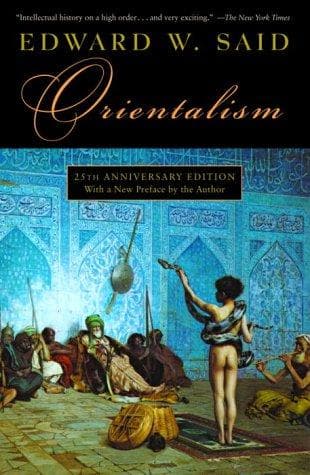
Edward W. Said
A classic study of how Western writers built distorted images of the East. It helps explain the mutual prejudice Lovell describes between Britain and China.
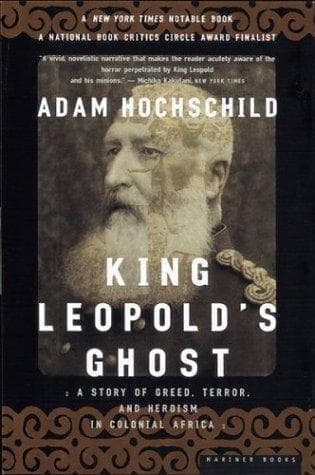
Adam Hochschild
Shows how a colonial atrocity was hidden and later reshaped in public memory. Readers drawn to Lovell's account of how the past is spun to serve the present will find it gripping.
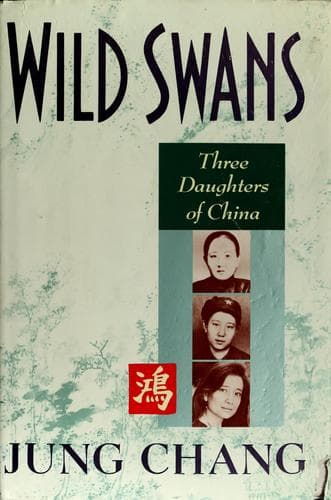
Jung Chang
A personal history of three generations of women in twentieth-century China. It shows from the inside how official narratives shaped ordinary lives, a theme that runs through The Opium War.
Ghosh, Amitav
A sweeping novel about colonial Burma and the wider Asian trade networks that opium and empire tied together. It brings the human cost of imperial commerce to life in a similar region and era.
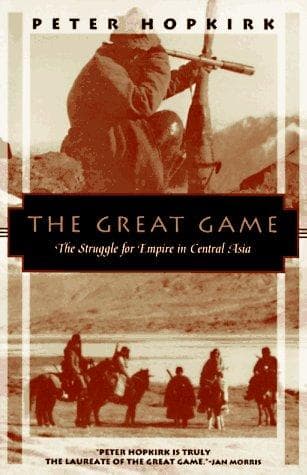
Peter Hopkirk
A narrative history of the rivalry between Britain and Russia in Central Asia. It captures the same mix of imperial overconfidence, espionage and miscalculation that marks Lovell's account.
Simon Winchester
The story of Joseph Needham, a scholar who documented China's science and history. It is a warm, lighter read that shows a Western view of China shaped by fascination rather than conquest.
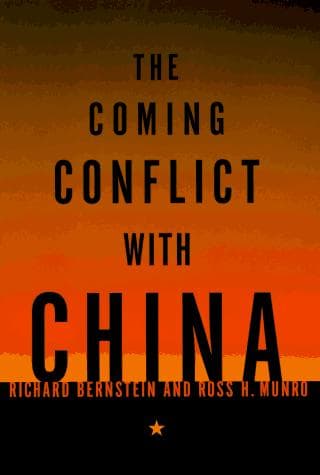
Bernstein, Richard
Examines the tense relationship between China and the West today, with the same concern for how misperception drives rivalry. It suits readers interested in how the 1839 conflict still echoes.
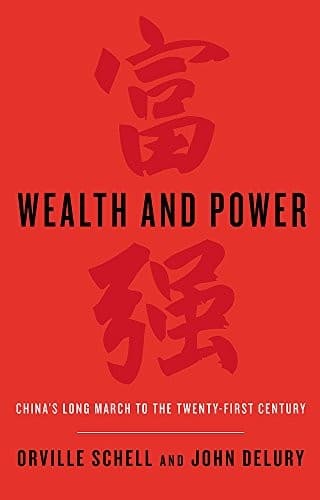
Orville Schell, John Delury
Traces China's rise from the nineteenth century to the present, placing the Opium War at the start of its long struggle for recognition. It ties Lovell's historical argument to current politics.
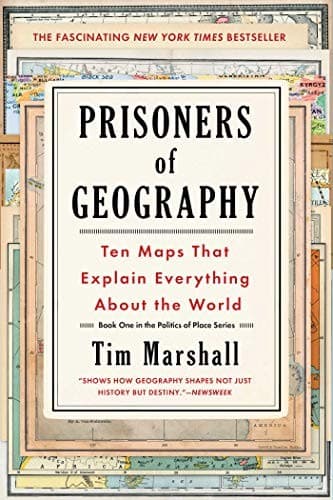
Tim Marshall
Explains how geography shapes national ambitions and grievances, including China's sense of vulnerability to outside powers. It offers a concise, accessible frame for the nationalism Lovell analyses.
We earn a commission if you buy through these links. Learn more