
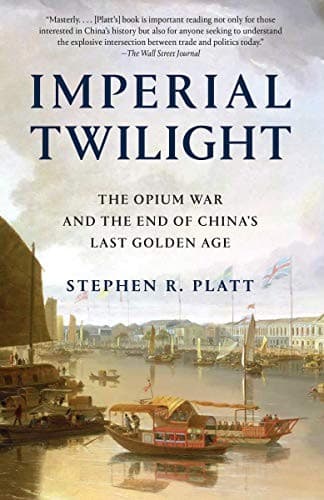
Imperial Twilight
Stephen R. Platt
Covers the same Opium War era and the decline of the Qing court in vivid detail. Like Lovell, Platt shows how a crumbling empire's blunders and misreadings of foreigners led to humiliating defeat.
Reader-supported: when you buy through links on our site, we may earn an affiliate commission. Learn more
We earn a commission if you buy through these links. Learn more
Find Similar Booksby Julia Lovell
"On the outside, [the foreigners] seem intractable, but inside they are cowardly... Although there have been a few ups-and-downs, the situation as a whole is under control."In October 1839, a few months after Chinese Imperial Commissioner, Lin Zexu, dispatched these confident words to his emperor, a Cabinet meeting in Windsor voted to fight Britain's first Opium War (1839-42) with China. The conflict turned out to be rich in tragicomedy: in bureaucratic fumblings, military missteps, political opportunism and collaboration. Yet over the past hundred and seventy years, this strange tale of misunderstanding, incompetence and compromise has become the founding myth of modern Chinese nationalism: the start of China's heroic struggle against a Western conspiracy to destroy the country with opium and gunboat diplomacy.The Opium War is both the story of modern China – starting from the first conflict with the west – and an analysis of the county's contemporary self-image. It explores how China's national myths mould its interactions with the outside world, how public memory is spun to serve the present; and how delusion and prejudice on both sides have bedevilled its relationship with the modern West.
Book details and cover from Google Books.
Ready to read The Opium War?
Get your copy on Amazon, or listen to it on Audible. We earn a commission if you buy through these links.
Stephen R. Platt
Covers the same Opium War era and the decline of the Qing court in vivid detail. Like Lovell, Platt shows how a crumbling empire's blunders and misreadings of foreigners led to humiliating defeat.
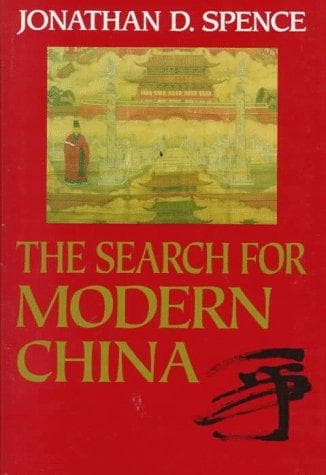
Jonathan D. Spence
A broad, readable survey of China from the late Ming to the 1990s. It gives the wider context in which the Opium War sits, with the same clarity and attention to individual characters.
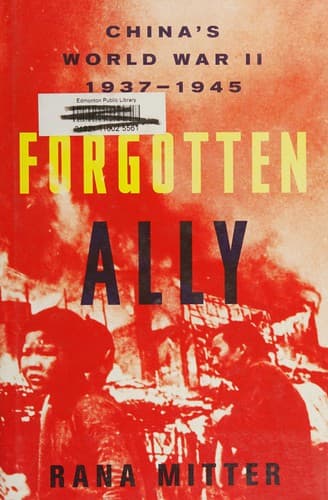
Rana Mitter
Retells China's war against Japan, a conflict the Chinese state has also turned into a national myth. Readers who valued Lovell's focus on memory and propaganda will find the same questions here.
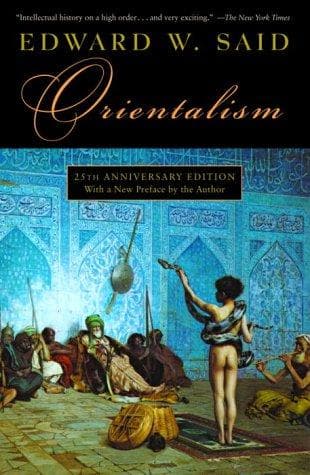
Edward W. Said
A classic study of how Western writers built distorted images of the East. It helps explain the mutual prejudice Lovell describes between Britain and China.