

A Suitable Boy
Vikram Seth
Like The Glass Palace, it spans a large cast across a country in political transition, with families whose private choices are shaped by public history. Its leisurely, observant tone will feel familiar.
Reader-supported: when you buy through links on our site, we may earn an affiliate commission. Learn more
12 books to read next
If you loved The Glass Palace by Ghosh, Amitav
The Glass Palace is a sweeping historical novel that follows several generations of a family caught in the upheaval of colonial Burma, from the British invasion of 1885 through the Second World War. Readers usually love its wide canvas, its sense of history unfolding through ordinary lives, and its clear-eyed look at empire, migration and the teak trade. The pace is measured and reflective, with long stretches of domestic detail that give way to moments of real drama. It suits readers who enjoy big family sagas with a serious political conscience.
Vikram Seth
Like The Glass Palace, it spans a large cast across a country in political transition, with families whose private choices are shaped by public history. Its leisurely, observant tone will feel familiar.

Gabriel Garcia Marquez
It follows a family across generations as history repeatedly intrudes on domestic life, much as the Raj and war reshape the characters in The Glass Palace. Its blend of myth and realism rewards patient readers.
Khaled Hosseini
Set against decades of political upheaval, it traces a personal story of loyalty and guilt across a changing homeland. Readers drawn to the intimate side of The Glass Palace will find the same emotional pull.

Rudyard Kipling
Written in the era of British India, it offers the colonial world from the inside of its own assumptions, a useful counterpoint to the critique at the heart of The Glass Palace. Its tales are vivid and richly textured.

Chinua Achebe
It shows colonial arrival through the eyes of a community that loses its own order, echoing Ghosh's concern with the human cost of empire. Its spare prose is a striking contrast to the novel's sweep.
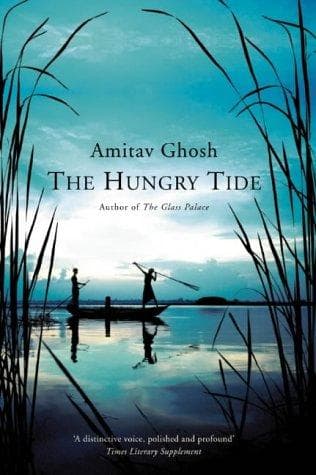
Amitav Ghosh, Yaʻel Akhmon
This is a different book, but it shares Ghosh's gift for weaving history, landscape and displacement into a gripping story. Readers who loved his sense of place will find a similar depth here.
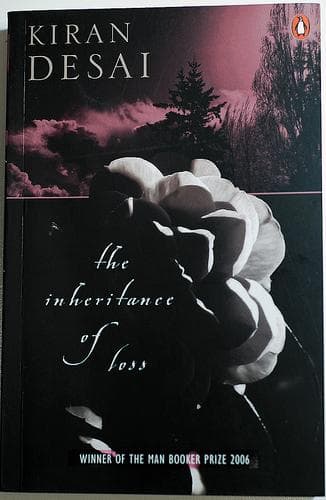
Kiran Desai
It explores how colonial history and migration leave lasting marks on a family across continents. Its attention to exile and class echoes the themes of The Glass Palace.
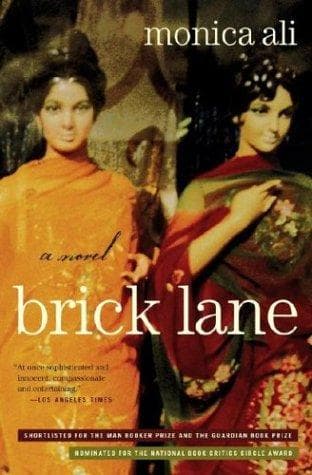
Monica Ali
Its story of a woman adjusting to a new country and shifting loyalties mirrors the displacement and reinvention that run through The Glass Palace. It is intimate and socially sharp.
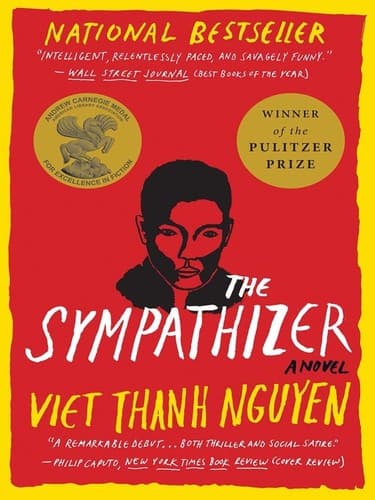
Viet Thanh Nguyen, Francois Chau
Set amid the end of a war and its aftermath, it examines colonial and political power with the same moral seriousness as The Glass Palace. Its narrator's divided loyalties give the story real tension.

Gregory David Roberts
Its large, immersive narrative set in an Indian city and its underworld gives the same sense of a world in motion that fills The Glass Palace. Readers who enjoy rich historical detail will appreciate it.
Ryszard Kapuscinski
This is a nonfiction account of postcolonial Africa, and it shares The Glass Palace's concern with how empire shapes ordinary lives. Its reporting is vivid and humane.
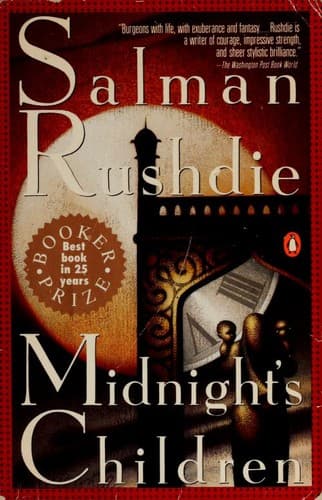
Salman Rushdie
It places personal lives inside the sweep of South Asian independence and partition, much as The Glass Palace ties individual fate to national upheaval. Its inventive voice rewards close reading.
We earn a commission if you buy through these links. Learn more