
Benjamin Graham
Like Rich Dad, Poor Dad, it argues that real wealth comes from understanding assets and resisting emotional decisions. Graham's classic gives the disciplined, long-term framework that the Kiyosaki book only sketches.
Reader-supported: when you buy through links on our site, we may earn an affiliate commission. Learn more
12 books to read next
If you loved Rich Dad, Poor Dad by Robert T. Kiyosaki, Sharon L. Lechter
Rich Dad, Poor Dad is a personal finance book built around a contrast: two fathers with very different views of money, work and investing. Readers typically love its plain, conversational tone, its focus on assets versus liabilities, and its push to think about building income that works without constant labour. It is short, opinionated and easy to read in an evening, and it encourages readers to question conventional advice about jobs, savings and houses.
Benjamin Graham
Like Rich Dad, Poor Dad, it argues that real wealth comes from understanding assets and resisting emotional decisions. Graham's classic gives the disciplined, long-term framework that the Kiyosaki book only sketches.
John C. Bogle
For readers who liked the idea of making money work for you, Bogle explains in clear, short chapters why low-cost index funds beat most active strategies. It is a practical, jargon-light follow-up to the big-picture ideas.
Morgan Housel
Housel's short stories about how people think about money echo the Kiyosaki book's focus on mindset over formulas. Its accessible, anecdote-led style suits readers who enjoyed the father-and-father framing.
Thomas J. Stanley, William D. Danko
Stanley's research shows that many wealthy people live modestly and invest steadily, challenging the spending habits Rich Dad, Poor Dad criticises. It offers grounded evidence for the same core idea about what wealth really is.
Ramit Sethi
Sethi offers a direct, action-oriented plan for automating savings and investing, much like the no-nonsense advice readers value in Kiyosaki's book. It is practical and written with a confident, informal voice.
Napoleon Hill
A classic of self-made wealth writing, Hill focuses on mindset, persistence and belief, themes that Rich Dad, Poor Dad also returns to. Readers who enjoy its motivational tone will find a familiar approach.
George S. Clason
Clason tells short parables about saving and earning, making the lessons memorable in the same way Kiyosaki uses personal stories. It is brief, simple and easy to finish quickly.
Robert T. Kiyosaki, Sharon L. Lechter
This follow-up expands on the quadrants of income and the difference between employees, business owners and investors. Readers who want more of the same ideas and framing will find it a natural next step.

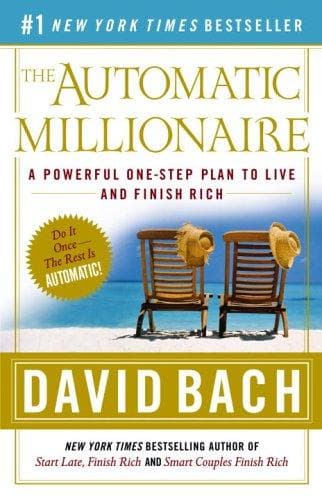
David Bach
Bach keeps the advice straightforward, centring on automatic saving and simple investing habits. It is a fast, friendly read for anyone who wanted practical money steps rather than theory.

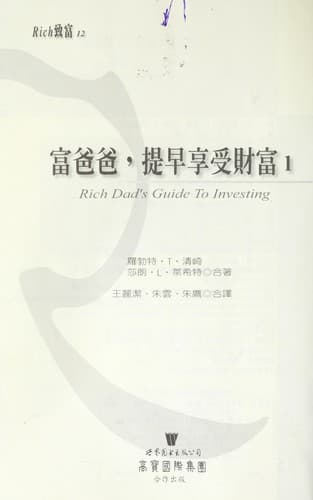
Robert T. Kiyosaki, Sharon L. Lechter
Kiyosaki goes further into the mechanics of assets, cash flow and real estate, the topics that drew readers to the original book. It is a more detailed companion for those ready to act on the ideas.
JL Collins
Collins explains in plain language how to build financial independence through index funds, with a conversational tone that suits readers who liked Kiyosaki's directness. It is a clear, practical guide to long-term investing.
Vicki Robin, Joe Dominguez
Robin asks readers to examine their relationship with money and the time they trade for it, a question central to Rich Dad, Poor Dad. It takes the personal side of financial freedom further and encourages deeper reflection.
We earn a commission if you buy through these links. Learn more