
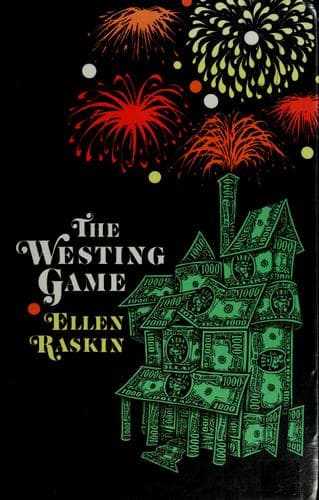
The Westing Game
Ellen Raskin
Like Bellairs, Raskin fills a crowded house with odd characters, clues, and a puzzle that rewards careful attention. Its playful mystery suits readers who enjoyed the house's secrets in Lewis's story.
Reader-supported: when you buy through links on our site, we may earn an affiliate commission. Learn more
We earn a commission if you buy through these links. Learn more
Find Similar BooksA funny, atmospheric gothic novel where an anxious orphan's first brush with magic feels cozy and genuinely unsettling, ideal for readers who like scares with a wink.
2 creators reviewed The House With a Clock In Its Walls on YouTube in 2018, with 307.7K views between them. Their opinions are their own; we picked these reviews, we didn't write them.
The House With a Clock in Its Walls is a 1973 children's novel about Lewis Barnavelt, a ten-year-old orphan sent to live with his uncle Jonathan in a small Midwestern town in the late 1940s. Bellairs builds the story from a mix of domestic comedy and creeping dread: the house makes odd noises, the neighbor is a sharp-tongued witch, and the uncle is a gentle, bumbling magician. Lewis is an anxious, bookish kid, which makes his fear feel earned rather than theatrical.
The prose is brisk and funny, with a dry, affectionate narrator who lets the scares land between jokes. Bellairs spends real time on the texture of ordinary life, including meals, school, and the awkwardness of a boy learning that adults keep their own secrets, before the supernatural business takes over. The magic is mostly comic and improvised, with spells that go wrong in ways that are both frightening and ridiculous.
Reading it feels like being let into a cozy, slightly sinister house where the lamps are always on and the furniture seems to be watching. It is short enough for a confident young reader to finish in a few sittings, and it rewards adults who return to it for its voice and its atmosphere of gothic whimsy.
Magic here is not a mastered craft but something Lewis fumbles with. He experiments before he understands the rules, and the book treats that curiosity as both thrilling and dangerous. The mistakes drive the plot as much as any villain does, and they show how a child's eagerness can outrun their judgment.
Uncle Jonathan and Mrs. Zimmermann treat Lewis as capable and worth teaching, not as a burden to be managed. The relationship that grows between them is the emotional center of the book. It offers a warm model of mentorship that feels earned because the adults are eccentric, imperfect, and sometimes wrong.
The house is nearly a character in itself, full of strange objects, odd sounds, and a sense that the past has not fully left. Bellairs contrasts this unsettling interior with the plain, quiet town outside. That contrast gives the gothic atmosphere a grounding that keeps it from feeling generic or overwrought.
Lewis's orphan status sits quietly beneath the comedy. He is looking for a place where he fits, and the odd household he lands in becomes that place. The book handles loss gently, so the emotional weight supports the adventure rather than overwhelming it, and it speaks to any child who feels out of step with others.
Bellairs alternates jokes with frightening moments, which keeps the tension from becoming exhausting. The comic tone is never mocking of the characters, and the scary passages are measured. This balance is why the book works both as a read-aloud for families and as a book adults can enjoy for its style.
The pacing is leisurely in places, especially in the early chapters, which some readers will find slow before the supernatural plot gathers momentum. The magic system is loose and often serves the mood more than logic, so readers who want clear rules may be frustrated. The mid-century setting brings period attitudes about adults, gender, and small-town life that feel dated. Some of the resolution moves quickly after a long buildup. None of these faults undermines the book's charm, but they are worth knowing before you start.
Book details and cover from Google Books.
Ready to read The House With a Clock In Its Walls?
Get your copy on Amazon, or listen to it on Audible. We earn a commission if you buy through these links.
Ellen Raskin
Like Bellairs, Raskin fills a crowded house with odd characters, clues, and a puzzle that rewards careful attention. Its playful mystery suits readers who enjoyed the house's secrets in Lewis's story.
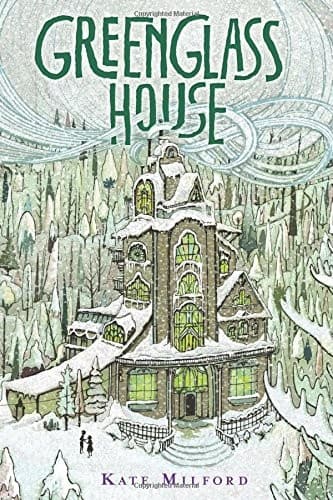
Kate Milford
A snowbound inn full of secret passages, strange guests, and an unfolding mystery gives the same thrill as the Barnavelts' house. Its middle-grade tone is close to Bellairs's blend of suspense and warmth.
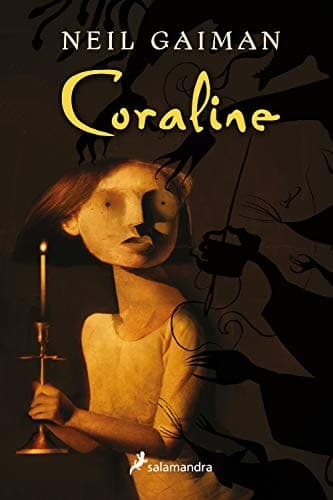
Neil Gaiman
A young protagonist discovers that an ordinary-looking house hides something sinister behind its doors. Gaiman's eerie, carefully paced storytelling will appeal to fans of Bellairs's gothic unease.
Kelly Barnhill
Magic here is tender and morally complicated, much like the Barnavelts' uneasy spells. Its bittersweet, fairy-tale tone rewards readers who love a story where kindness matters as much as power.