
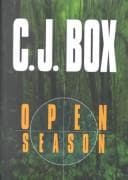
Open season(A Joe Pickett Novel #1)
C. J. Box
Like Walt Longmire, Joe Pickett is a rural lawman in a remote western landscape, and Box shows the same respect for hard working people and the wild country around them.
Reader-supported: when you buy through links on our site, we may earn an affiliate commission. Learn more
We earn a commission if you buy through these links. Learn more
Find Similar BooksJohnson's first Walt Longmire mystery pairs a lean, sharply observed Wyoming setting with a sheriff whose dry humor and stubborn decency make a slow-burning revenge story worth the time.
The Cold Dish, published in 2004, is the first novel in Craig Johnson's Walt Longmire series, set in the fictional Absaroka County in north-central Wyoming, on the high plains near a Northern Cheyenne reservation. The story opens with a death that looks like the work of someone with a long-simmering grudge. Longmire is a veteran sheriff who had hoped to coast through his last stretch in office, and now he has to work out who had a reason to act, who had the means, and how the community's old wounds connect to the crime in front of him.
Johnson writes in a plain, unshowy style with a lot of attention to landscape, weather, and the routines of small-town police work. Longmire narrates in the first person with a dry, self-deprecating voice, and much of the humor comes from the way he sees himself and the people around him. The mystery moves steadily rather than flashily. Clues arrive through conversations, legwork, and careful reading of people, not through elaborate puzzles or action set pieces, so the investigation feels like something a real county officer would actually do.
The experience is closer to spending time with a companion than to reading a fast thriller. The book cares about grief, loyalty, and what justice means in a place where the law, the tribal community, and personal friendships all pull in different directions. Readers who want rapid pacing may find stretches of it slow, but the characters carry the book, and its emotional weight builds quietly until the final chapters.
The central question is whether a community's failure to punish a serious crime gives anyone the right to take matters into their own hands. Johnson keeps the moral stakes concrete, showing how a legal outcome that feels unfair to many people can make private vengeance seem understandable, even to the person trying to stop it.
Longmire's strength is less forensic than social. He has spent decades in one county, so he knows families, histories, and who is likely to lie. The book treats this kind of local knowledge as real police work, and it shows how hard it is to be both the person who enforces the rules and someone whose neighbors expect favors.
Longmire's long friendship with Henry Standing Bear gives the book its emotional center. Their conversations show two men who respect each other while being honest about what they do and do not understand about each other's world. The relationship is handled with warmth and some tension, and it shapes how the investigation unfolds.
The high plains are never just a backdrop. Johnson uses their emptiness and isolation to shape mood, pacing, and character. Distances matter in this country, and so does the way people endure long winters and lonely stretches of road. Readers who enjoy place-driven fiction will find this one of its strongest qualities.
The book is serious about violence and loss, but it is also funny, often through the eccentric townspeople and Longmire's wry commentary on his own life. This mix keeps the tone from sliding into bleakness and reflects how people in small communities often cope with hard events, through jokes, routines, and stubborn loyalty.
As a first novel, the book shows its age in places: the prose is occasionally looser than in later entries in the series, and some side characters are sketched more than developed. The plot follows familiar patterns of the rural mystery. Some readers have also questioned how a non-Native author writes Cheyenne characters and their community, and the book's portrayal of tribal life is worth reading with that in mind. Its handling of sexual violence is serious but can feel heavy for some readers.
Reviews from readers on YouTube. Their opinions are their own.
Book details and cover from Google Books.
Ready to read The Cold Dish?
Get your copy on Amazon, or listen to it on Audible. We earn a commission if you buy through these links.
C. J. Box
Like Walt Longmire, Joe Pickett is a rural lawman in a remote western landscape, and Box shows the same respect for hard working people and the wild country around them.
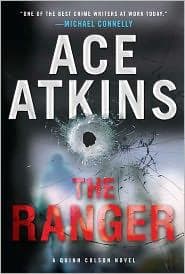
Ace Atkins
Quinn Colson returns to a small Mississippi town with a clear moral code and a local crime that tests his loyalties, much as Longmire is pulled into a dangerous family feud.
Tony Hillerman
Navajo Tribal Police Lieutenant Joe Leaphorn investigates a murder on the reservation with quiet intelligence, combining cultural detail and open landscape in the way that drives The Cold Dish.

Louise Erdrich
A brutal assault on a reservation woman sets off a search for justice, told through a teenager's eyes, and it shares The Cold Dish's focus on a crime's ripple effect on a close community.