
The Blade Itself
Joe Abercrombie
Like the Black Company, it follows a cast of morally compromised fighters and survivors, with brutal action and a cynical, darkly funny voice that never romanticises war.
Reader-supported: when you buy through links on our site, we may earn an affiliate commission. Learn more
We earn a commission if you buy through these links. Learn more
Find Similar Booksby Glen Cook
Guide by the Books of the Day editors · Updated · How we write our guides
Grimy, funny, and morally murky fantasy told by the company's own annalist, a mercenary record of war that made the grim and gritty military fantasy feel new.
2 creators reviewed The Black Company on YouTube between 2022 and 2025, with 58.7K views between them. Their opinions are their own; we picked these reviews, we didn't write them.
The Black Company is a dark, fast-moving fantasy from 1984 and the opening volume of Glen Cook's long-running Chronicles of the Black Company. It follows a mercenary unit that has fought for a sorcerous power for generations, and it is narrated by Croaker, the company's physician and keeper of its official annals. That framing matters. Croaker writes the way a soldier-scholar would, dryly and with a sense of what history leaves out, so the reader gets the war in fragments: a campaign, a burial, a grim joke, a rumor about the people giving the orders.
The book's approach is closer to a military memoir than to a quest. Cook cares more about the daily texture of soldiering, including pay, discipline, loyalty, and the small cruelties that keep an army going, than about sweeping world-building. Magic is present and frightening, but it is seen from the bottom of the chain of command, where nobody fully understands what they serve. The tone swings between bleak and wry, and the cast is mostly rough, practical people rather than heroes.
Reading it feels like sitting with a veteran who has seen too much and is too tired to pretend otherwise. The chapters are short and brisk, and the narrative moves quickly even when the situation looks hopeless. It is an experience built on atmosphere, voice, and the slow accumulation of unease rather than on tidy answers.
Croaker is both participant and chronicler, so the book constantly weighs what official history should say against what the men actually saw. His dry, observant voice carries most of the emotional weight, and it turns the annals into a kind of confession. You learn as much about him from what he chooses to write down as from the events themselves.
The company keeps working for a power that many of its own members doubt. Cook explores how soldiers rationalize service when pay, habit, and comradeship matter more than the cause. The question is not whether the employers are good, but what a unit owes anyone when the moral story is unclear.
The big strategic picture is mostly out of view, and that is deliberate. Readers watch marches, sieges, and skirmishes from the perspective of people who follow orders and try to survive. This makes the setting feel large and mysterious without requiring pages of exposition.
The soldiers joke constantly, often grimly, and the humor is part of how the book keeps its despair from becoming unbearable. It also reveals character quickly. A reader who finds the gallows wit off-putting may struggle, but for many readers it is the book's best quality.
Sorcery is treated as something ominous and morally ambiguous rather than a showcase of dazzling powers. Cook keeps the supernatural tied to unease and consequence, which helps the fantasy elements feel like part of the same grim world as the mud and blood.
The book is short and episodic, so readers expecting a conventional plot with steady rising action may find it loose or abrupt. Its style is clipped and sometimes deliberately vague, which can feel frustrating when the reader wants more explanation of who holds power and why. Some modern readers find the treatment of women and the portrayal of violence dated, and the bleak tone can become wearing over a long session. Its later volumes are also more widely read as a series, so this first book works best as an entry point rather than a full answer.
Book details and cover from Google Books.
Ready to read The Black Company?
Get your copy on Amazon, or listen to it on Audible. We earn a commission if you buy through these links.
Joe Abercrombie
Like the Black Company, it follows a cast of morally compromised fighters and survivors, with brutal action and a cynical, darkly funny voice that never romanticises war.
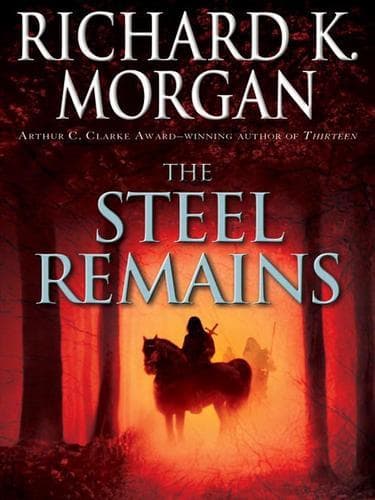
Richard K. Morgan
A hard-edged tale of ex-soldiers drawn into a world of political bloodshed, with a weary, profane narrator who, like Croaker, sees the cost of loyalty clearly.
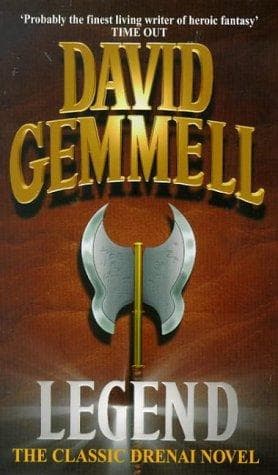
David A. Gemmell
A siege story about a small band of defenders holding out against overwhelming odds, showing the same grit, camaraderie and fatalism that drive the Black Company's campaigns.
Brandon Sanderson
A crew of outcasts takes on a near-invincible empire ruled by a mysterious power, offering the same tension between hidden sorcery, doubt about who is good, and a plan made from the bottom up.