
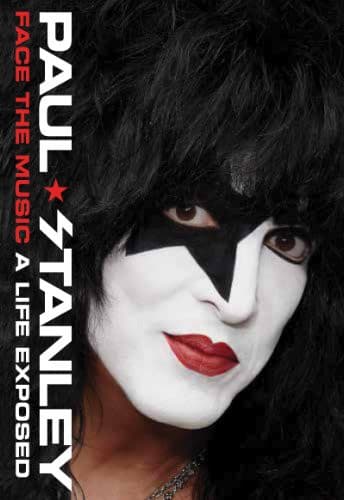
Face the Music
Paul Stanley
The Starchild's side of the same story. Reading it after Criss's account shows how differently two bandmates remember the makeup years, the lineup changes and the reunion tours.
Reader-supported: when you buy through links on our site, we may earn an affiliate commission. Learn more
We earn a commission if you buy through these links. Learn more
Find Similar Booksby Peter Criss
The original KISS drummer's raw, grudge-bearing, often funny memoir offers an unvarnished view of 1970s rock stardom and the personal wreckage it caused.
Makeup to Breakup is Peter Criss's account of his life, written with veteran collaborator Larry "Ratso" Sloman. It follows him from a poor Brooklyn childhood and street-gang adolescence through years of grinding club gigs, then into the explosive rise of KISS, his time as the Catman, and his exits from the band. The later chapters cover addiction, rehab, failed marriages, dark stretches of depression, and his diagnosis and treatment for male breast cancer.
The voice is the book's defining feature. Criss writes the way he talks: profane, aggrieved, sentimental about his mother and his faith, and unsparing about sex and drugs on the road. He is especially pointed about Gene Simmons and Paul Stanley, whom he portrays as controlling and money-driven. He also admits plenty of his own bad behavior, though readers will notice he usually frames himself as the wronged party.
Reading it feels like a long night listening to a charismatic, wounded storyteller at a bar. It is fast and gossipy, sometimes crude, occasionally moving, and rarely balanced. KISS fans will find it essential as a counterweight to the other members' memoirs. General readers will get a vivid if one-sided portrait of what fame does to a working-class kid who never quite believed he belonged.
Criss spends real time on his childhood: poverty, a tough neighborhood, gang fights, and a close bond with his mother. These early chapters explain the street-level pride, loyalty, and chip on his shoulder that drive his later choices. They are also among the most engaging parts of the book, because they show a world rarely covered in rock memoirs.
The book gives an insider's view of how KISS was built: the makeup personas, the theatrical stage shows, the relentless touring, and the merchandising machine. Criss presents the band as an unequal partnership. In his telling, he and Ace Frehley were treated as junior partners in an enterprise steered by Simmons and Stanley, and that resentment colors the whole story.
Drugs, groupies, and money appear in abundance, but Criss mostly shows the cost. He describes addiction, erratic behavior, collapsing marriages, and moments when he came close to ending his life. The candor is the book's selling point. It reads less like a celebration of rock decadence than a record of how it hollowed him out.
The final stretch turns to recovery, his Catholic faith, family, and his breast cancer diagnosis. He uses that experience to urge men to take the disease seriously. These sections show a softer, more reflective side and give the memoir an arc of redemption, even as old grudges keep surfacing.
The most common criticism is that the book is bitter and self-serving. Criss's accounts of money, songwriting credit, and band decisions are disputed by other members, and he rarely acknowledges their perspective. The sexual and drug anecdotes can feel repetitive, and some readers find the tone self-pitying. There is little detail on drumming craft or how specific records were made. It is also a snapshot from around 2012, so later reunions, controversies, and developments in the KISS story fall outside its scope.
Reviews from readers on YouTube. Their opinions are their own.
Book details and cover from Google Books.
Ready to read Makeup to Breakup?
Get your copy on Amazon, or listen to it on Audible. We earn a commission if you buy through these links.
Paul Stanley
The Starchild's side of the same story. Reading it after Criss's account shows how differently two bandmates remember the makeup years, the lineup changes and the reunion tours.
Ace Frehley
The Spaceman's memoir shares Criss's candour about drugs, drinking and feeling sidelined in KISS, told with the same loose, streetwise humour.
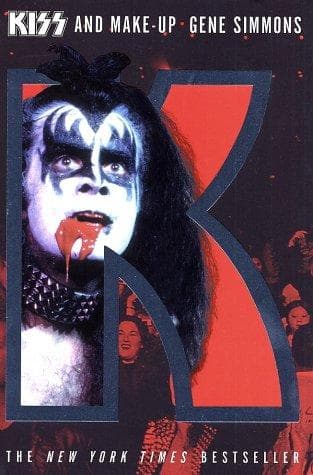
Simmons, Gene
The Demon's version of the band's rise is brash and businesslike, a sharp contrast to Criss's emotional telling and a must for anyone weighing both sides.
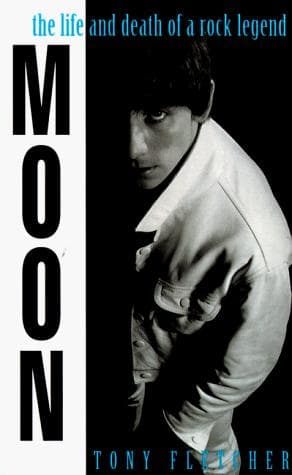
Fletcher, Tony.
Keith Moon's biography captures the wildest drummer in rock, with the same mix of brilliance, excess and self-destruction that runs through Criss's darkest chapters.