
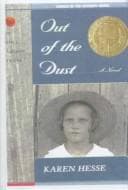
Out of the Dust
Karen Hesse
Like Make Lemonade, this is a verse novel in which a teen narrator's spare, vivid lines carry a hard life and quiet hope. Its short poems move quickly, much as LaVaughn's voice does.
Reader-supported: when you buy through links on our site, we may earn an affiliate commission. Learn more
We earn a commission if you buy through these links. Learn more
Find Similar BooksGuide by the Books of the Day editors · Updated · How we write our guides
A quietly intense verse novel about a fourteen-year-old who takes on a babysitting job to save for college, and sees how little margin a young family really has.
2 creators reviewed Make Lemonade on YouTube between 2009 and 2024, with 5.3K views between them. Their opinions are their own; we picked these reviews, we didn't write them.
Make Lemonade is narrated by LaVaughn, a fourteen-year-old who wants to go to college and has decided to earn money toward it by caring for two small children. Their mother, Jolly, is a teenager herself, living on very little in a rough urban neighborhood. LaVaughn takes the job for practical reasons, but the longer she works there, the more she is pulled into a household where money, school, and adult responsibility are constantly in conflict.
The book is written in free verse, with short lines, sparse phrasing, and deliberate gaps on the page. The form is not decoration. Line breaks control the pace, and repetition in LaVaughn's observations builds a sense of pressure that a conventional narrative might not achieve. Her voice is wry, watchful, and unsentimental, and much of the story comes through dialogue, so readers piece together Jolly's situation from what people say and what they avoid saying.
Reading it feels like sitting close to someone who is paying careful attention. It is short enough to finish in one sitting, but its scenes stay with you afterward. Expect frank, unglamorous treatment of poverty, teen parenthood, and the adults who let young people down. It rewards slow reading and an interest in how a few words can carry a great deal of feeling.
LaVaughn's plan to pay for college is more than a plot device. It shows how a young person can hold a clear goal while the world around her offers few supports. The book is interested in what it costs to keep hoping when your household has no slack in it, and in how ambition can feel both necessary and lonely.
Wolff's verse is spare and deliberate. Line breaks, white space, and short observations slow the reader down and make small details, like a meal or a bus ride, feel significant. The form makes LaVaughn's attentiveness part of the reading experience rather than just something she reports.
Jolly is young, overwhelmed, and making choices under real constraint. The book does not reduce her to a warning or a victim. It presents a teenager trying to parent while still needing parenting herself, and it asks readers to consider what support would have changed things.
The title points to the old saying about turning sour fruit into something usable. The book treats that idea with restraint. Small acts of care and resourcefulness matter, but the story does not pretend that effort alone solves poverty. Readers will decide for themselves how far that hope reaches.
Some readers find the verse too sparse, especially if they expect longer scenes or more interior detail. The story is brief, so certain relationships and turning points move quickly and may feel underdeveloped. The book is narrated entirely from LaVaughn's perspective, which limits what we learn about Jolly, the children, and the wider neighborhood. Published in 1993, it also reflects the period in some details of setting and daily life, though its central concerns remain current.
Book details and cover from Google Books.
Ready to read Make Lemonade?
Get your copy on Amazon, or listen to it on Audible. We earn a commission if you buy through these links.
Karen Hesse
Like Make Lemonade, this is a verse novel in which a teen narrator's spare, vivid lines carry a hard life and quiet hope. Its short poems move quickly, much as LaVaughn's voice does.
Kwame Alexander
Its rhythmic free verse and punchy poems suit readers who loved the rhythm of Make Lemonade. A teen narrator works through family pressure and growing up, with energy and heart.
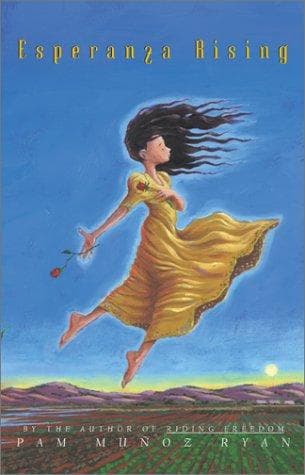
Pam Muñoz Ryan
A girl's life changes sharply when her family's circumstances fall apart, and she must adapt and work hard. Readers who admired LaVaughn's grit will find the same resolve here.
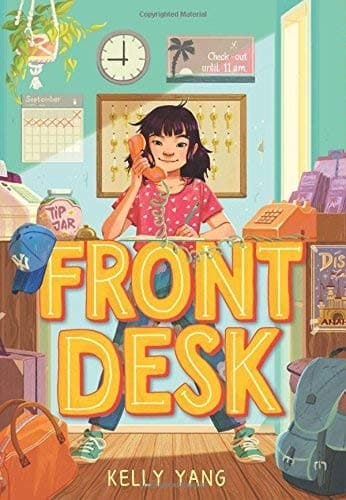
Kelly Yang
A young narrator takes on responsibility far beyond her years to help her family get by. Her determination and sharp observations echo LaVaughn's, with a similar mix of humor and hardship.