
Turtles All the Way Down
John Green
Aza's spiralling OCD thoughts are rendered from the inside with the same wry honesty as Craig's anxiety, balanced by friendship, banter and a light mystery plot.
Reader-supported: when you buy through links on our site, we may earn an affiliate commission. Learn more
We earn a commission if you buy through these links. Learn more
Find Similar Booksby Ned Vizzini
A funny, frank, and surprisingly hopeful novel about a high-achieving fifteen-year-old who checks himself into a psychiatric ward, written by an author who drew on his own experience.
Craig Gilner is fifteen, lives in Brooklyn, and has done everything right: he studied relentlessly to get into an elite Manhattan high school. Once there, he finds he can't keep up, can't eat, can't sleep, and can't stop the spiral of anxious thoughts. After a night when he seriously considers ending his life, he calls a hotline and ends up admitted to a psychiatric hospital. Because the teen unit is closed, he is placed on an adult ward full of people whose problems look nothing like his.
Vizzini tells the story in Craig's voice: quick, self-mocking, full of riffs about pizza, maps, and the pressure-cooker world of ambitious New York teenagers. The humor never makes light of depression. Instead, it feels like how a smart, overwhelmed kid would actually talk about what is happening to him. The ward's residents are drawn with warmth rather than as curiosities, and Craig's time there becomes less about a cure and more about noticing what makes life feel worth staying for.
Reading it is brisk and absorbing; the short chapters and conversational style pull you along. It is marketed for young adults, not children, and it includes swearing, drug use, sexual content, and detailed depictions of suicidal thinking. For teens and adults who want an honest, non-preachy story about mental illness, it remains one of the most relatable books of its kind.
Craig is not a troubled kid by any outside measure; he is a striver who won admission to a top school. The novel shows how academic pressure, comparison with peers, and fear of falling behind can quietly grind someone down, making it a useful book for readers who assume depression only affects people whose lives look visibly broken.
The jokes are not a coping trick the book later scolds away. Craig's wry voice lets readers sit with frightening material, including suicidal thoughts, without the story becoming grim or clinical. Vizzini uses comedy to make the experience recognizable, which is a big part of why many readers say the book feels like it was written by someone who understood them.
Craig sorts his world into things that drag him down and things that steady him. This simple framework runs through the novel and gives readers a concrete, memorable way to think about their own stressors and supports. It is presented as Craig's personal language rather than therapy jargon, which keeps it grounded and believable.
On the adult ward, Craig meets people with very different illnesses, backgrounds, and ages. The novel treats them as full individuals, and much of Craig's change comes from small acts of attention and friendship there. It quietly argues that recovery often starts with being around others honestly, rather than with a single breakthrough moment.
Some readers find the pacing slow in the hospital sections and the resolution tidier than real recovery tends to be; Craig's stay is short, and the book doesn't explore long-term treatment in depth. A romantic subplot strikes certain readers as convenient. Craig's world is that of a fairly privileged New York kid, so his pressures may feel narrow to some. A few portrayals of other patients and casual mid-2000s humor read as dated today. Its frank treatment of sex, drugs, and suicidal ideation makes it unsuitable for younger readers.
Reviews from readers on YouTube. Their opinions are their own.
Book details and cover from Google Books.
Ready to read It's Kind of a Funny Story?
Get your copy on Amazon, or listen to it on Audible. We earn a commission if you buy through these links.
John Green
Aza's spiralling OCD thoughts are rendered from the inside with the same wry honesty as Craig's anxiety, balanced by friendship, banter and a light mystery plot.
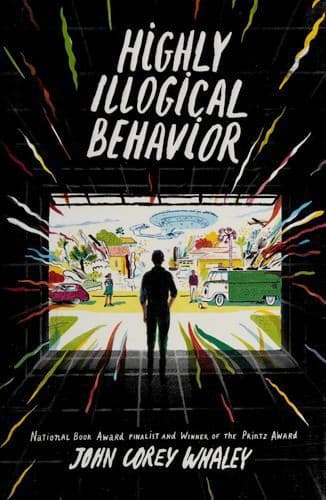
John Corey Whaley
An agoraphobic teen and the girl trying to 'fix' him make for a warm, witty story that, like Vizzini's, treats mental illness with humour and empathy.
Susanna Kaysen
A classic memoir of a young woman's stay in a psychiatric hospital, sharp and darkly funny about fellow patients in a way readers of Craig's ward days will recognise.
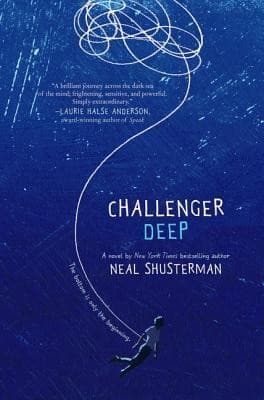
Neal Shusterman
A teen's descent into mental illness and hospitalisation told in an inventive, dreamlike style, offering a more intense companion to Craig's grounded experience.