
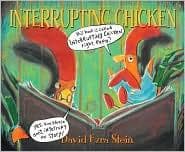
Interrupting chicken
David Ezra Stein
Like Klassen's bear, a small animal with a single-minded focus drives the story, and the comedy comes from a gentle, knowing tone that adults and children both enjoy.
Reader-supported: when you buy through links on our site, we may earn an affiliate commission. Learn more
We earn a commission if you buy through these links. Learn more
Find Similar Booksby Jon Klassen
Klassen's deadpan picture book turns a lost-hat search into a short, sly piece of dark comedy that works for young children and adults alike.
I Want My Hat Back follows a bear who has lost his hat and goes around the woods asking the other animals whether they have seen it. The plot is simple and the text is sparse, with a short refrain that repeats across the book. Each conversation follows the same pattern, so the reader learns the rhythm quickly and starts to anticipate the next exchange.
The real engine of the book is the artwork. Klassen uses a muted palette, plenty of empty space, and a bear whose face barely changes from page to page. The gap between what the bear says and what the pictures show is where most of the humor lives. Children tend to notice things adults skim past, and the book rewards close looking as much as listening.
Reading it is quick, often under five minutes, but it is not a passive experience. You will likely go back to it, pointing at details and asking what the animals know. It works well as a read-aloud because the pauses do much of the work, and it is equally satisfying read silently by an adult who enjoys dry, understated comedy.
The refrain and the repeated structure of each encounter create a rhythm that children learn fast. Because the pattern is familiar, small changes stand out, and the reader feels the story tightening even though very little happens on any single page. The repetition is doing narrative work, not just filling space.
The bear's expression stays almost fixed, which makes the book's humor depend on contrast. The words describe one thing while the illustrations hint at another. Readers who look slowly are rewarded, and the book trusts them to notice what the characters never say aloud.
The bear is not a cuddly hero, and the book's moral logic is closer to a fable's than to a typical picture book's. Standard lessons about honesty or kindness are not offered neatly. Readers who want a clear moral will find the ending unsettling, while others will enjoy how little the book explains.
Every page is stripped down, with almost no extra description. This restraint makes each word and image feel deliberate. It is a useful example for anyone interested in how picture books can build a complete arc with very few materials.
Some parents and teachers find the ending too dark or morally ambiguous for very young listeners, and the book offers little explicit guidance about what to take from it. Its minimal text means it does little for vocabulary building or extended comprehension practice. The characters are deliberately flat, so readers who want emotional depth or backstory will find little here. The humor depends on noticing visual cues, which some young children may miss without an adult pointing them out.
Book details and cover from Google Books.
Ready to read I Want My Hat Back?
Get your copy on Amazon, or listen to it on Audible. We earn a commission if you buy through these links.
David Ezra Stein
Like Klassen's bear, a small animal with a single-minded focus drives the story, and the comedy comes from a gentle, knowing tone that adults and children both enjoy.
Drew Daywalt
Its letters from disgruntled crayons deliver the same kind of dry, escalating absurdity, with a deadpan voice that makes the premise land as well as the hat story does.
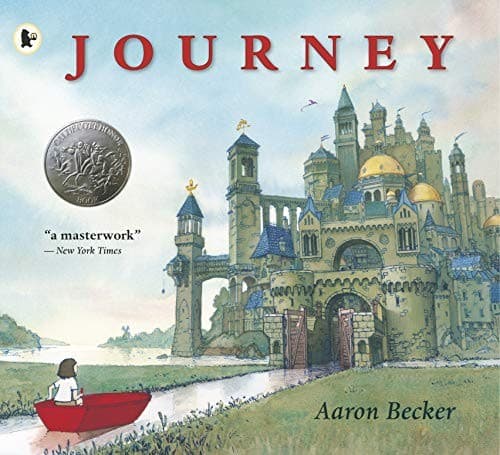
Aaron Becker
A nearly wordless adventure in which the pictures carry the whole plot, matching the way I Want My Hat Back lets its illustrations say what the text leaves out.
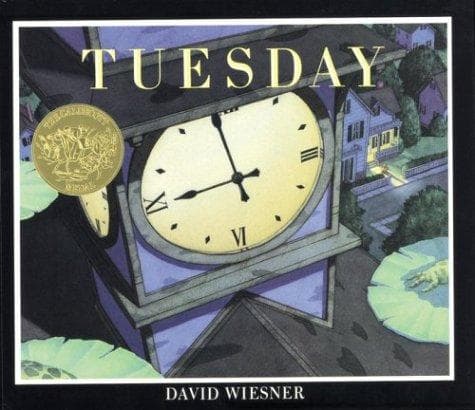
David Wiesner
A mischievous, almost wordless tale with a sly sense of humour, offering the same pleasure of watching a story unfold through small visual details.