
Speak
Laurie Halse Anderson
Like Julian, Melinda carries a painful secret she cannot voice. It is a classic, honest portrait of trauma, silence and the slow work of reclaiming yourself, written with the same quiet compassion.
Reader-supported: when you buy through links on our site, we may earn an affiliate commission. Learn more
We earn a commission if you buy through these links. Learn more
Find Similar Booksby Robin Roe
A tender, harrowing story about a teenage boy who finds the foster brother he lost, told in two voices that make both kindness and cruelty feel painfully real.
A List of Cages follows Adam, a popular, easygoing high school senior with ADHD, and Julian, a quiet freshman who once lived with Adam's family as a foster child before being taken in by a relative. When Adam's job as an aide to the school psychologist puts him back in Julian's path, he is thrilled to have his little brother back, but slowly realizes that Julian's withdrawn, evasive behavior is hiding something serious about his life at home.
The novel alternates between Adam's and Julian's perspectives, and that structure does most of the emotional work. Adam's chapters are restless, warm and social, full of friends and distraction; Julian's are hushed, fearful and lonely, shaped by grief, a learning disability he's ashamed of, and a home where he is not safe. Seeing the same events from both sides lets the reader understand far more than either boy does alone, which builds steady dread.
This is not a light read. It deals directly with child abuse, and some scenes are difficult and physical. But it is also a book about loyalty, gentleness and the way ordinary teenagers can choose to show up for someone. Many readers come away moved, often to tears, and remember the bond between the two boys more than the darkness around it. The prose is accessible and fast-moving, so it reads quickly despite the heavy material.
The alternating narration is the book's main engine. Adam sees a shy kid who keeps dodging him; Julian's chapters show what he is actually living through. The gap between what one brother knows and what the other hides creates tension and lets readers feel both helplessness and urgency at once.
The novel shows how fear, shame and manipulation keep a victim silent, and how easily adults and peers miss the signs. Julian's secrecy is not stubbornness but survival, and the book asks readers to look past withdrawn or odd behavior to what might be causing it.
Adam's greatest strength is not heroics but persistence and warmth. The story celebrates small acts: sitting with someone at lunch, pulling them into a friend group, refusing to give up on them. It suggests that ordinary kindness from peers can matter enormously to a kid who has been made to feel worthless.
Julian carries the loss of his parents alongside a reading struggle that makes school humiliating. Adam lives with ADHD. Both boys' differences are woven into their characters rather than treated as plot devices, giving the book a quiet sympathy for kids who don't fit neatly into classrooms.
Some readers find Julian written as unusually childlike for a fourteen-year-old, which can make him feel more like a symbol of innocence than a fully rounded teen. The antagonist has little nuance, and the climax leans toward the dramatic. Adam's friends and school life are sketched lightly compared with the core relationship. The book focuses on emotional experience rather than how child protection systems work or fail, so readers wanting a realistic look at foster care or intervention may find it thin. Its intensity is also a real consideration for younger or sensitive readers.
Reviews from readers on YouTube. Their opinions are their own.
Book details and cover from Google Books.
Ready to read A List of Cages?
Get your copy on Amazon, or listen to it on Audible. We earn a commission if you buy through these links.
Laurie Halse Anderson
Like Julian, Melinda carries a painful secret she cannot voice. It is a classic, honest portrait of trauma, silence and the slow work of reclaiming yourself, written with the same quiet compassion.
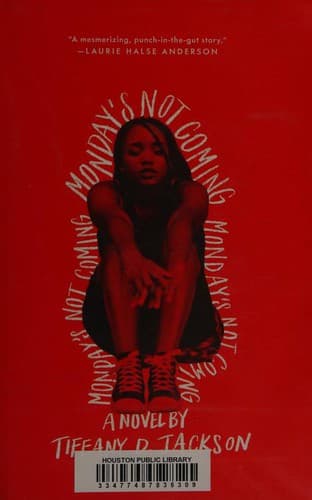
Tiffany D. Jackson
A teen refuses to stop searching when her best friend vanishes and adults look away. It shares Adam's determination to help someone others overlook, with tense, page-turning suspense.
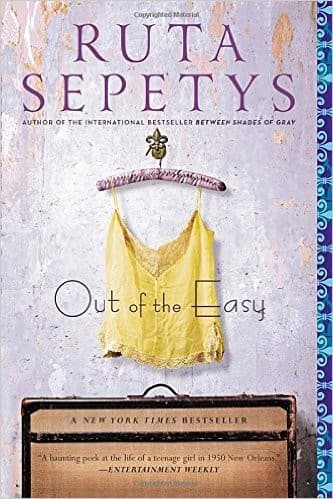
Ruta Sepetys, Álvaro Abella Villar
Josie fights to escape a harmful home life and build a different future. Readers moved by Julian's resilience will find another young person surviving circumstances no teen should face.
Benjamin Alire Sáenz
A gentle, deeply felt story of two boys whose bond helps each face pain and family secrets. It offers the same tenderness that makes Adam and Julian's relationship so memorable.