
We earn a commission if you buy through these links. Learn more
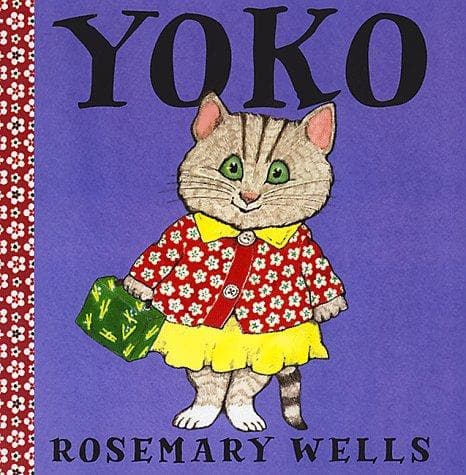
Yoko
A gentle picture book about a child's school lunch and the classroom reaction it brings, suited to read-aloud sessions with young children and the adults who guide them.
What It's About
Yoko is a picture book for young children by Rosemary Wells, an author best known for warm, carefully drawn stories aimed at the very young. Its main figure is a little girl whose lunch from home draws attention from her classmates at school. The story stays small in scope, centered on one ordinary day, and that narrowness is what gives it clarity for a read-aloud audience.
Reading it feels less like following a plot than sharing a moment with a child. The pictures carry much of the emotional weight, so small listeners can follow how the girl feels even when the sentences are simple. The book handles embarrassment and curiosity without lecturing, and it lets the other children act in ways that feel recognizably childlike rather than villainous. Adults should expect a short, quiet experience rather than a dramatic one.
It works best as a conversation starter. Parents and teachers can use it to talk about food and family traditions, what it feels like to be the only one in a group, and how to respond kindly when someone seems different. Because it is brief, it offers one door into those topics rather than a full account of them, and it is better read that way than as a reference on any culture.
Read this if you…
- want a short picture book to read aloud to a child about fitting in
- are a parent or teacher looking for a gentle opener on food, family, and difference
- enjoy spare, expressive illustrations and quiet, low-drama storytelling
Skip it if you…
- want a substantial story or a detailed portrait of Japanese or Japanese-American life
- are looking for a novel or any text meant for adult readers
Key Ideas
- 1
Difference noticed before it is explained
The book shows how young children notice what sets someone apart, usually through food, habits, or appearance, long before they have words for it. Rather than explaining why Yoko's lunch looks unfamiliar, the story lets the reader sit with the moment of surprise and see how it lands on the girl. That restraint makes it a useful starting point for talking about curiosity versus teasing.
- 2
Embarrassment as a feeling children can name
Yoko's discomfort is the emotional center of the book. Both text and pictures keep attention on what she feels, which gives a child listener a vocabulary for shame and for wanting to fit in. Adults can pause on those moments and ask what the child listening would have done in the same spot.
- 3
Small gestures over grand lessons
The turn toward warmth comes through modest, everyday actions rather than speeches or a moral stated outright. The implication is that acceptance is usually built through small, repeated choices. That approach suits the audience, though readers looking for a clear takeaway may find it understated.
Limitations
The book is brief and light, and it covers one situation in one child's day, so it cannot stand in for a fuller account of Japanese or Japanese-American life or of how immigrant families navigate school. Some readers find the resolution tidy and the shift in classmates' attitudes quick. Its gentleness is a strength for its intended audience, but older children and adults may find it slight. Readers who want cultural depth should look for longer memoirs or novels written from within the community.
Questions Readers Ask
- Who is Yoko best suited for?
- Yoko suits young children, roughly in the preschool to early primary range, especially when read aloud by a parent, teacher, or librarian. It works well for a classroom discussion about being different or about sharing food and family customs. Older readers who want a complex story will probably find it too slight.
- Can Yoko help a child who has been singled out at school?
- It can open a useful conversation, since the story stays with the feelings of being noticed and set apart rather than delivering a lesson. Adults should read along with the child, pause to ask questions, and not expect one picture book to resolve a real situation. Think of it as a starting point rather than a fix.
- How does Yoko compare with other picture books about difference?
- Many picture books about being different end with an explicit moral. Yoko is more restrained, leaving the reader to draw conclusions from small moments. If you want a clear message, look for a more direct title; if you want room for discussion, this one fits well.
- Published
- 1998
- ISBN
- 9780439137201
- Difficulty
- beginner
- Category
- Fiction
Book details and cover from Google Books.
Ready to read Yoko?
Get your copy on Amazon, or listen to it on Audible. We earn a commission if you buy through these links.