
We earn a commission if you buy through these links. Learn more
Yellowface
by R. F. Kuang
R. F. Kuang's Yellowface is a sharp, uncomfortable satire of publishing and race. Here is who will enjoy its bitter, first-person voice and who should pass.
What It's About
Yellowface is narrated by June Hayward, a white novelist whose debut was a modest flop while her Asian American classmate Athena Liu became the prize-winning darling of literary New York. Kuang sets the story in the present-day publishing world, where book deals, sensitivity readers, social media pile-ons and blurb-chasing carry as much weight as the writing itself. Because the book is June's own account, the reader watches her rationalizations build in real time, and that gap between what she says and what we see is where much of the tension comes from.
The tone sits closer to dark comedy than to a thriller. Kuang is funny about the industry's vanity and its anxious performance of virtue, and she lets June's voice grow more self-justifying as the pages turn, so the reader is pushed to notice how easily a reasonable-sounding argument becomes an excuse. The chapters are brisk, the dialogue is cutting, and much of the pleasure lies in the satirical detail.
Expect a book that wants you to argue with it. Some readers will find the satire of progressive publishing too pointed, while others will find it more generous to its targets than it first appears. Either way, the experience is quick, uncomfortable and designed to keep you thinking about who gets to tell which stories long after you finish.
Read this if you…
- enjoy sharp, satirical fiction about the book business
- want a fast, provocative novel that invites debate about race and authorship
- are curious about unreliable narrators and the psychology of envy
Skip it if you…
- want a warm or sympathetic protagonist to root for
- prefer quiet, lyrical literary fiction over pointed, darkly comic satire
Key Ideas
- 1
Who gets to tell a story
The book takes up the debate over cultural appropriation and writing outside your own experience. June argues that stories belong to everyone and that imagination should not be policed. Kuang lets that argument run at full strength, then exposes how self-interest bends it, without offering a tidy verdict.
- 2
Publishing as a market of images
Covers, marketing angles, diversity quotas and author photos shape which books succeed. The novel satirizes an industry that sells identity as a product while claiming to champion authenticity. Much of its bite comes from showing how sincere-sounding intentions can serve commercial ends.
- 3
Envy as the engine of the plot
June's resentment of Athena's success drives nearly every choice she makes. Kuang uses that jealousy to portray ambition at its most petty and most human. The emotional core is less about race than about a writer who cannot bear to watch someone else get the recognition she believes she deserves.
- 4
Outrage culture and public self-defense
The book follows how online controversy spreads, how apologies get workshopped, and how a person under attack learns to manage her image. The satire lands on every side of the argument. Readers who follow literary Twitter or similar platforms will recognize the rhythms it mimics.
Limitations
Some readers find the satire heavy-handed, with characters sketched more as types than as fully rounded people, and with the commentary on race sometimes feeling like it is making its point directly at the reader. Because the story is so tied to the publishing debates of its moment, parts of it may read as topical rather than timeless. It also offers less of the lyrical prose some readers want from fiction, and it does not provide a clean moral resolution.
Questions Readers Ask
- Is Yellowface worth reading if I am not interested in publishing?
- Probably yes, especially if you enjoy satire. The core story is about jealousy, ambition and a narrator who keeps explaining herself. The industry details are the setting and the jokes, and they are explained well enough for outsiders. You may miss some of the in-jokes, but you will still follow the plot and the moral tension.
- How does Yellowface compare to The Talented Mr. Ripley?
- Both follow an envious protagonist who takes what is not theirs, and both let you inhabit a mind that rationalizes. Highsmith's novel is a colder, more controlled psychological thriller. Yellowface is a comic, topical satire with a chattier, more confessional narrator and much more direct commentary on race and publishing. Fans of Ripley's moral unease will likely enjoy it.
- Published
- 2023
- ISBN
- 9780063330306
- Difficulty
- beginner
- Category
- form:novel
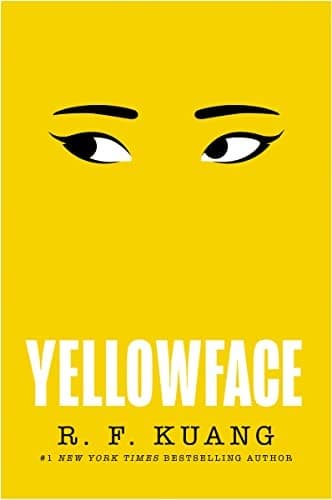
Book details and cover from Google Books.
Ready to read Yellowface?
Get your copy on Amazon, or listen to it on Audible. We earn a commission if you buy through these links.