
We earn a commission if you buy through these links. Learn more
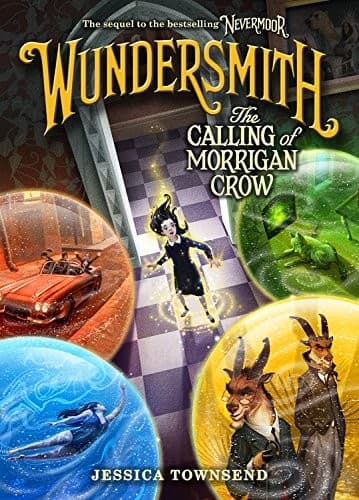
Wundersmith: The Calling of Morrigan Crow (Nevermoor)
Guide by the Books of the Day editors · Updated · How we write our guides
Morrigan Crow's story deepens here, trading the wonder of arrival for darker stakes and harder questions about power, belonging, and what it costs to be different.
What Creators Say About Wundersmith: The Calling of Morrigan Crow (Nevermoor)
2 creators reviewed Wundersmith: The Calling of Morrigan Crow (Nevermoor) on YouTube between 2018 and 2019, with 1.9K views between them. Their opinions are their own; we picked these reviews, we didn't write them.
What It's About
Wundersmith picks up Morrigan Crow's story after the whirlwind of the first Nevermoor novel. She is still a newcomer to a hidden world where wunder, the magic that runs through the city, is both a gift and a source of suspicion. The book is the middle of a planned series and works best as a continuation rather than a standalone, so readers who have not started with book one should begin there.
Townsend keeps the tone playful, with a lively supporting cast, inventive settings and the wry humour that made the first book popular with young readers. The narration stays close to Morrigan, so you feel her confusion, loyalty and growing unease as she tries to understand what the adults around her are keeping from her. Much of the pleasure comes from world-building: new corners of the city, odd rules of magic and a steady sense that every rule has a cost.
Expect a longer and more emotionally weighty read than its predecessor. The stakes rise, friendships are tested and the story leans further into the question of what Morrigan is capable of. It is an entertaining, cosy-dark fantasy for middle-grade readers, though it asks for patience with a slower build in places and ends in a way designed to pull you toward the next instalment.
Read this if you…
- loved the first Nevermoor book and want to see Morrigan's world expand
- enjoy fantasy with a playful voice and a serious emotional undercurrent
- want a middle-grade series with momentum and a cliffhanger to pull you onward
Skip it if you…
- have not read the first book, since this one assumes you know the setup and characters
- want a self-contained story with a satisfying full resolution in a single volume
Key Ideas
- 1
Power that comes with suspicion attached
Morrigan's abilities mark her as special, but in Nevermoor special rarely means safe. The book explores how a gift can make a person a target, and how those in authority often fear what they cannot control. Young readers will recognise the feeling of being judged for something you did not choose, and the story treats that unfairness seriously without turning it into a lecture.
- 2
Belonging as something you have to choose
Morrigan has found a family of misfits, but the book keeps asking whether belonging is given or earned. Loyalty is tested when friends disagree about what is right, and the emotional core lies in how Morrigan decides who she is willing to stand beside. The theme is handled through character choices rather than speeches.
- 3
World-building that rewards close attention
Townsend builds Nevermoor with a sense of playful invention, from its quirky institutions to the rules governing magic. Part of the enjoyment is noticing how the world hangs together and where its seams show. Readers who like puzzling out a fantasy setting will find plenty to chew on, especially as hints about the wider system accumulate.
- 4
A narrator who grows up on the page
Because the story stays with Morrigan, her doubts, pride and moments of poor judgement feel immediate. The book does not make her a perfect hero. Watching her learn that power demands responsibility gives the series its emotional momentum, and it is the strongest reason to keep reading after the book ends.
Limitations
Wundersmith is a middle volume, so its plot serves the larger series more than it stands alone. Some readers find the pace uneven, with stretches that feel like setup before the stakes sharpen. The humour and invention that charmed many readers in book one can feel more repetitive here. Critics also note that the ending leaves a lot unresolved. The book's themes of fairness and belonging are clear but sometimes stated more directly than a more subtle novel would manage.
Questions Readers Ask
- Do I need to read Nevermoor before Wundersmith?
- Yes, in practice. The book assumes you know who Morrigan is, how Nevermoor works and why her arrival in the city matters. Starting here would leave most of the emotional context missing. Begin with the first novel, which sets up the characters, the rules of wunder and the early mysteries that this sequel builds on.
- Is Wundersmith suitable for adult readers?
- Many adults enjoy it, especially those who like children's fantasy with a clever voice and real emotional stakes. It is written for middle-grade readers, so the prose is accessible and the themes are presented clearly. If you want something more complex in its world-building or moral ambiguity, you may prefer more demanding fantasy written for adults.
- Published
- 2018
- ISBN
- 9780316419901
- Difficulty
- beginner
- Category
- Children's Books
Book details and cover from Google Books.
Ready to read Wundersmith: The Calling of Morrigan Crow (Nevermoor)?
Get your copy on Amazon, or listen to it on Audible. We earn a commission if you buy through these links.