
We earn a commission if you buy through these links. Learn more
Wishtree
Guide by the Books of the Day editors · Updated · How we write our guides
A patient, big-hearted middle-grade novel narrated by an old oak tree that watches a neighborhood slowly and imperfectly learn how to make room for a newcomer.
What Creators Say About Wishtree
2 creators reviewed Wishtree on YouTube between 2017 and 2020, with 232.3K views between them. Their opinions are their own; we picked these reviews, we didn't write them.
What It's About
Wishtree is a short middle-grade novel narrated by Red, a red oak that has stood in a suburban neighborhood for generations. The tree's voice is the whole lens of the book, and it is calm, observant, and a little wry. Its animal neighbors, including a crow named Bongo, carry news up and down the branches, which gives the story a lively, gossipy quality without losing its warmth.
The story centers on a Muslim family who moves onto the block and becomes the target of hostility, and on the neighbors, young and old, who must decide whether to speak up or look away. Each year people tie their wishes to the tree's branches, and those wishes become a way to explore what people hope for and what they fear. Applegate keeps the tone gentle and the chapters short, so the emotional moments land without heavy machinery.
Reading it feels like sitting with a patient storyteller who trusts young readers to notice what the adults are missing. It is quick, warm, and direct, and it asks for little more than attention and an open heart.
Read this if you…
- want a short, emotionally direct novel about prejudice and belonging for a child or teen reader
- enjoy stories told by an animal or nonhuman narrator with a gentle, observant voice
- are looking for a book to read aloud or discuss with a young reader about kindness and community
Skip it if you…
- want a complex, morally ambiguous story with adult-level nuance and slow-building subplots
- expect a fantasy adventure, since the magic here is quiet and the stakes are local and domestic
Key Ideas
- 1
A tree as a patient, honest witness
Red sees the neighborhood across many seasons and many generations, which lets the book step back from individual anger and show how small acts add up. Because the narrator has no stake in the drama, it can describe cruelty and kindness with a plainness that children tend to respond to. The device also gives the story a sense of time, so that the present conflict feels like one chapter in a longer local history rather than a single crisis.
- 2
Belonging is something people choose
The book argues that belonging is not simply a matter of who was born on a street or how long someone has lived there. Neighbors decide, repeatedly, whether to treat newcomers as part of the community or as outsiders. Applegate frames this as an ongoing practice rather than a single heroic moment, which makes the message feel achievable for young readers who are themselves still working out their place among peers.
- 3
Wishes as a mirror for a community
The tradition of tying wishes to the tree gives the book a recurring structure and a way to show characters' inner lives without long speeches. Reading the wishes reveals hopes that are often more ordinary and more generous than the characters' public behavior suggests. The device quietly asks what a community would wish for if it were honest with itself, and how far its actions match those wishes.
- 4
The role of bystanders and small courage
Much of the tension comes from people who know something is wrong but hesitate to act. Applegate spends time on the uncertainty of speaking up, especially when doing so risks social standing or comfort. The book does not treat courage as dramatic. It shows it as something closer to a choice made in ordinary moments, which is the part many readers will remember when they close the book.
Limitations
Some adult readers find the book's conflicts resolved too neatly, and the villains are drawn in broad strokes, which suits its audience but can feel thin to older readers. The tree narrator is a deliberate device that some will find contrived, and the animal chorus can feel like a convenience for exposition. The book addresses prejudice at a fairly accessible level and does not dig deeply into the wider social forces behind it. Its themes are still widely relevant, but readers looking for a rigorous treatment of the subject will want to pair it with other books.
Questions Readers Ask
- Is Wishtree only for children?
- It is written for middle-grade readers, but its short length and clear prose make it easy for adults to finish in a sitting. Many adults read it alongside a child or as a way to talk about kindness and belonging. Readers who want more complexity on the same themes may find it light, but it works well as a quiet, thoughtful read on its own terms.
- How does Wishtree compare to The One and Only Ivan?
- Both are by Katherine Applegate and both use an animal narrator to tell a story about a community and a captive or overlooked life. Ivan is more directly focused on one character's confinement and voice, while Wishtree spreads its attention across a neighborhood and a longer span of time. Readers who liked the emotional clarity of Ivan will likely find Wishtree similarly direct and warm.
- Published
- 2014
- ISBN
- 9781250306869
- Difficulty
- beginner
- Category
- Children's Books
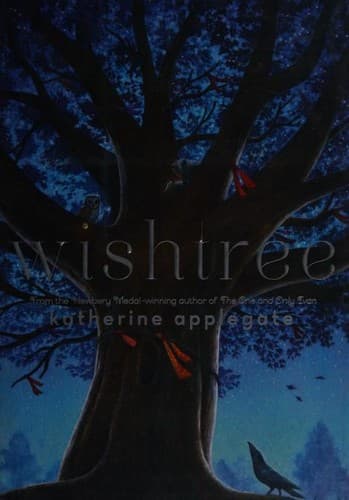
Book details and cover from Google Books.
Ready to read Wishtree?
Get your copy on Amazon, or listen to it on Audible. We earn a commission if you buy through these links.