
We earn a commission if you buy through these links. Learn more
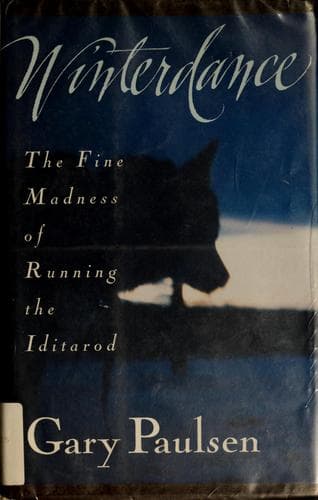
Winterdance
by Gary Paulsen
Guide by the Books of the Day editors · Updated · How we write our guides
A candid account of a sled-dog novice who signed up for the Iditarod with almost no preparation, and what the cold, the dogs, and the long nights taught him.
What Creators Say About Winterdance
2 creators reviewed Winterdance on YouTube between 2022 and 2023, with 692 views between them. Their opinions are their own; we picked these reviews, we didn't write them.
What It's About
Winterdance is Gary Paulsen's memoir of running the Iditarod, the long sled-dog race across Alaska, in 1983. Paulsen, better known for his novels for young readers, went into the race as a self-described beginner, with a team of dogs he knew little about and a plan that was more hope than strategy. The book follows the gap between his enthusiasm and his competence.
The writing is short, direct, and conversational. Paulsen favors plain sentences, self-deprecating asides, and vivid physical detail: frostbite, sleep deprivation, and the individual personalities of the dogs. Rather than building toward a single climax, the book moves through the race in a loose sequence of stretches, checkpoints, and small disasters, so it reads more like a long talk with a storyteller than a sports report.
Reading it is an experience of discomfort and affection at once. You feel the cold in your own hands, and you come to care about the team as individuals. It is short enough to finish in a few sittings, and the humor keeps the hardship from becoming grim. Expect less about racing strategy than a typical sports memoir might offer, and more about endurance, humility, and the bond between a person and working animals.
Read this if you…
- are curious about endurance sports but want a personal story rather than race analysis
- enjoy funny, unpretentious first-person writing about hard outdoor experiences
- want a short book that is easy to finish in a few sittings
Skip it if you…
- want detailed training advice or race tactics for mushing
- need a polished, deeply reflective memoir with extensive self-examination
Key Ideas
- 1
Enthusiasm is not the same as preparation
Much of the book's energy comes from the distance between Paulsen's eagerness and his readiness. He admits how little he knows at the start, and that honesty makes his mistakes and recoveries feel earned. The reader watches a beginner learn in real time, which is more engaging than watching an expert perform.
- 2
Endurance as a daily, unglamorous discipline
The race is less a single heroic effort than a long series of routine tasks: feeding dogs, checking paws, melting snow, staying warm, and forcing yourself to keep moving when tired. Paulsen shows how much of survival is repetition and attention to small details rather than bravery in any dramatic moment.
- 3
Dogs as collaborators, not equipment
Paulsen writes about the dogs as individuals with moods, strengths, and stubbornness. Their willingness to work, and his growing trust in them, drives the story as much as the trail does. Readers who value the human-animal bond will find this the book's warmest thread.
- 4
Wilderness as indifferent and absorbing
The Alaskan landscape is presented as beautiful, hostile, and entirely unconcerned with the racers. Long night travel and solitude push Paulsen into reflection, and the book lets the reader feel how the environment reshapes attention and judgment over days of travel.
Limitations
Paulsen is writing about a single race in one year, so the book offers little on the broader history of the Iditarod, the sport's politics, or the animal welfare debates that have grown around sled-dog racing in later decades. Some readers find the humor and bravado wear thin, and because the focus is on his own experience, other racers and the Alaskan communities along the route appear mostly at a distance. Its perspective is that of a 1980s outsider, so do not expect updated information on equipment, rules, or current race conditions.
Questions Readers Ask
- Do I need to know anything about dog sledding to enjoy Winterdance?
- No. Paulsen explains the basics as he goes, and the story is driven by his own learning curve, so newcomers are in the same position he is. Some terms about the dogs and the trail will be unfamiliar, but context usually makes them clear. Prior knowledge adds a little, but it is not required.
- How does Winterdance compare to Paulsen's Hatchet?
- Hatchet is a novel for young readers about a boy surviving alone in the wilderness, while Winterdance is a nonfiction account of a real race. Both share a plain style and a fascination with cold, remote landscapes. Winterdance is more episodic and less a survival story, and it suits adult readers who want the real experience behind the fiction.
- Published
- 1994
- ISBN
- 9781665211475
- Difficulty
- beginner
- Category
- Tech
Book details and cover from Google Books.
Ready to read Winterdance?
Get your copy on Amazon, or listen to it on Audible. We earn a commission if you buy through these links.