
We earn a commission if you buy through these links. Learn more
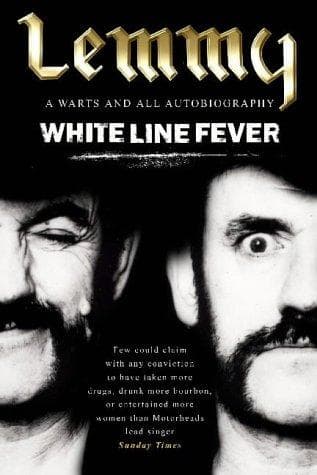
White Line Fever
Guide by the Books of the Day editors · Updated · How we write our guides
A blunt, funny, unpolished account of life on the road in rock, from a roadie's early years through Hawkwind to Motörhead, told by one of the genre's most recognizable figures.
What Creators Say About White Line Fever
2 creators reviewed White Line Fever on YouTube between 2017 and 2022, with 5.8K views between them. Their opinions are their own; we picked these reviews, we didn't write them.
What It's About
White Line Fever is Lemmy Kilmister's account of his life in rock, told in his own loud and unpolished voice. It moves from his English childhood through his years as a roadie and bass player, including his time in Hawkwind, to the founding of Motörhead and the decades of touring that followed. Rather than a tidy career arc, it reads like a long night of stories told over drinks, where the digressions often matter as much as the main thread.
The book's appeal is its attitude. Lemmy is direct, funny, and largely unbothered by how he comes across. He tells hard-living stories about drink, drugs, women, bandmates, and the grind of cheap hotels and tour vans without much remorse. The prose is conversational and quick, so chapters pass fast. You get a clear sense of how a working musician kept going on a modest income, and what that lifestyle cost him.
What you get less of is reflection. Lemmy rarely stops to analyze his songwriting or explain his deeper motives, and the emotional weight comes mostly through anecdote. It works best as a close-up look at a scene, an era, and a strong personality, more than as a carefully built portrait of a person.
Read this if you…
- are a Motörhead fan who wants the band's history from the inside
- enjoy rock memoirs with a conversational, unfiltered voice
- want a vivid picture of British and touring rock life in the 1960s and 70s
Skip it if you…
- want a critical or analytical account of rock music or songwriting
- are uncomfortable with heavy drug and alcohol use or with the author's provocative opinions
Key Ideas
- 1
Rock as a working life, not a glamour story
Much of the book is about logistics: long drives, unreliable pay, equipment trouble, and the endless repetition of touring. The glamour is present, but it is usually undercut by the mundane work of getting a band from one city to the next. Readers who imagine rock stardom as mostly parties will find a more practical picture here.
- 2
Hawkwind, Motörhead, and building a band
The book traces the move from working inside other people's bands to forming one of his own. It shows how Lemmy's instincts about sound, speed, and loyalty shaped Motörhead, and how that band's stubborn independence set it apart from many of its peers.
- 3
Excess told without much regret
Drinking and drug use run through the narrative and are described matter-of-factly, with little moralizing either way. The lack of hand-wringing is part of the book's character, and it leaves readers to judge the cost for themselves.
- 4
A public persona shaped on purpose
Lemmy's opinions, tastes, and image are presented with deliberate bluntness, and the book works partly as a showcase for that persona. Reading it with some awareness that he is performing a version of himself makes the stories more rewarding and the provocations easier to place.
Limitations
The book is anecdote-driven and loosely chronological, so some periods feel rushed while others sprawl. Lemmy says little about his inner life or the craft of his songs, which leaves some readers wanting more depth. His self-presentation is strong and occasionally self-serving, and some of his views and controversial interests have drawn criticism from reviewers. Readers should treat it as one man's version of events rather than a balanced record.
Questions Readers Ask
- Do I need to know Motörhead's music to enjoy White Line Fever?
- No, but it helps. The book is most rewarding for readers who already know the band's records, because many stories gain weight from that context. Newcomers can still enjoy the stories as a portrait of a hard-living musician and his scene, even without knowing the songs well.
- How does it compare to other rock memoirs?
- It is less polished and less reflective than many rock autobiographies, which often try for literary structure or deep self-examination. Its strength is its raw, conversational tone. If you want careful craft and introspection, a more reflective memoir may suit you better.
- Published
- 2002
- ISBN
- 9780671033316
- Difficulty
- beginner
- Category
- Biographies
Book details and cover from Google Books.
Ready to read White Line Fever?
Get your copy on Amazon, or listen to it on Audible. We earn a commission if you buy through these links.