
We earn a commission if you buy through these links. Learn more
War Horse
by Michael Morpurgo, Mercè Santaularia Campillo
A horse's-eye view of the First World War: a tender, unflinching children's classic about loyalty, cruelty and the animals caught up in human conflict.
What It's About
War Horse is a 1982 novel for young readers by Michael Morpurgo, narrated in the first person by Joey, a horse raised on a farm in Devon. When his impulsive, money-troubled father sells him to the army at the start of the First World War, Joey is carried across the Channel to the Western Front, passing between British and German hands as the fighting grinds on. Morpurgo gives us the war at horse height: mud, wire, shelling, and the small kindnesses that men and animals show one another.
The voice is plain and direct rather than ornate. Joey does not understand the politics or the strategy; he reports what he sees and how he feels about the people who handle him well or badly. That limited view is the engine of the book. Readers grasp far more than the horse does, and the distance between what Joey notices and what the human world is doing generates steady tension and grief. Chapters are short and the prose is built to be read aloud.
The experience is quick, emotional and quietly angry about waste, without lecturing. Most readers finish it in a single sitting, and it rewards a second reading as an adult, when the wider context and the animal's helplessness land differently. It sits comfortably beside Morpurgo's other stories of rural England and animals, and it is a useful entry point to First World War fiction for younger readers.
Read this if you…
- want a war novel that works for young readers and adults alike
- are drawn to stories told by animal narrators
- prefer emotional, character-driven war fiction to battle tactics
Skip it if you…
- want detailed military history or political analysis of the First World War
- find sentimental animal stories hard to take or need graphic, unsparing violence
Key Ideas
- 1
The war at horse height
Morpurgo's choice of narrator turns the war into something seen from ground level, far below the officers' maps. Joey notices the mud, the noise, the wounded animals and the state of the roads, not the strategy. This keeps the novel concrete and sensory, and it makes the scale of suffering felt through small, specific details rather than speeches about the cause.
- 2
A narrator who understands less than we do
Joey's limited understanding is the book's most distinctive device. He cannot grasp why men fight or why some soldiers are called enemies, so the reader fills in the meaning. Dread builds from the gap between what Joey trusts and what the reader can see coming, giving the story emotional pull without the horse ever needing to articulate grief.
- 3
Loyalty that crosses the battle lines
Joey's passage from one owner to another brings him into contact with soldiers and civilians on both sides of the conflict. Morpurgo uses these encounters to suggest that ordinary people share more with one another than their governments allow. The bonds between humans and animals, and between strangers caught in the same disaster, form the novel's moral core.
- 4
Cruelty and care in ordinary hands
The book keeps returning to how animals are treated by those with power over them, whether a careless farmer, an indifferent officer, or a soldier who is kind when no one is watching. It asks what separates decent handling from neglect, and it resists easy judgments about any single side.
Limitations
Some critics find the sentiment heavy, and Joey's voice can feel more like a human's than a horse's, which some readers accept as a convention and others see as a flaw. The human characters are often sketched rather than fully developed, and the plot leans on coincidence and reunion more than some adults would like. The book is also restrained about the worst of the fighting, so readers wanting battlefield realism or the political causes of the war will find it thin. Its portrayal of foreign characters reflects its era and its young-reader vantage point.
Questions Readers Ask
- Is War Horse only for children?
- It was written for young readers and is often studied in schools, but many adults read it and find it moves them more than expected. The clear prose and short chapters make it accessible, while its themes of loyalty, loss and the cost of war carry real weight for grown readers. Reading it in one sitting works well for most adults.
- How does the novel differ from the stage play and the film?
- The National Theatre stage adaptation of 2007 and Steven Spielberg's 2011 film both draw on the novel's story but change its texture. The book's power lies largely in Joey's narration and small interior observations, which stage and screen can only suggest. If you know an adaptation, reading the book shows you what the voice adds.
- Is it still worth reading about the First World War through this book?
- Yes, especially as an entry point. The novel is not a full military history, but it conveys the physical reality of the front and the role of animals in the war in a way many textbooks skip. Pair it with a nonfiction account if you want more context on the war's causes and course.
- Published
- 1982
- ISBN
- 9781845272951
- Difficulty
- beginner
- Category
- Fiction
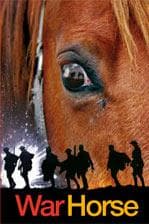
Book details and cover from Google Books.
Ready to read War Horse?
Get your copy on Amazon, or listen to it on Audible. We earn a commission if you buy through these links.