
We earn a commission if you buy through these links. Learn more
Verity
On screen: Verity (film, October 1, 2026)
Guide by the Books of the Day editors · Updated · How we write our guides
Lowen finds a disturbing unfinished memoir while finishing a bestselling author's series, and the story stays unsettling long after the last page.
What Creators Say About Verity
2 creators reviewed Verity on YouTube between 2025 and 2026, with 861.8K views between them. Their opinions are their own; we picked these reviews, we didn't write them.
What It's About
Verity is a psychological thriller by Colleen Hoover, a bestselling novelist known for emotional, fast-moving fiction. Lowen Ashleigh is a struggling writer who accepts a job finishing the remaining books in a famous series by Verity Crawford, an author who was seriously injured in an accident and can no longer write. Lowen goes to the Crawford home to work with Verity's husband, Jeremy, and to sift through her notes and files.
The engine of the book is a manuscript Lowen finds in the house: an unfinished memoir that seems never to have been meant for anyone else. Hoover tells the story in short chapters and shifts between perspectives, so the pages turn quickly. The memoir adds a second, unsettling layer, and as Lowen reads it, what she believes about the people around her keeps moving. The prose is plain and direct, built for momentum rather than lyricism.
Reading Verity feels more like a compulsive, uneasy binge than a slow mystery. The discomfort is deliberate, and the book uses it to ask questions about ambition, authorship, and who gets to decide what a story means once its writer is gone. Expect graphic and disturbing material, including violence and content involving children, so this is not a cozy read. The short chapters make it easy to read in long stretches.
Read this if you…
- like psychological thrillers built around a narrator you cannot fully trust
- want a fast, cliffhanger-driven read with short chapters
- are curious about the ethics of finishing someone else's work or legacy
Skip it if you…
- need a mystery with a fair-play puzzle you can solve before the end
- are sensitive to graphic violence or content involving children
Key Ideas
- 1
The unfinished memoir as a second story
The memoir is more than a plot device. It works as a rival narrative that Lowen has to weigh against her own experience of the household, so the reader keeps asking which account to believe. Hoover uses that tension to make the reader complicit in every assumption they form along the way.
- 2
Ambition and what a career costs
The book looks closely at the pressure to keep a famous name producing books, and at how success can seem to justify choices that would otherwise be unthinkable. Lowen's financial desperation makes her an easy point of entry into that pressure, and the book is sharp about how need can narrow judgment.
- 3
Authorship after the author is gone
Once Verity cannot speak for herself, who decides what her work means? The book asks whether a writer's legacy belongs to her readers, her publisher, or whoever happens to hold the manuscript. Hoover does not offer a tidy answer, and that open question gives the story a lingering afterthought.
- 4
Suspense built from short, shifting chapters
The craft here is pacing. Chapters are brief, perspectives change, and each development is set up to reframe what came before, which makes the book feel quick even when its ideas are heavy. Readers who like fast, cliffhanger-driven fiction will recognize the approach.
Limitations
Verity has drawn criticism for its prose, which many readers find flat or repetitive, and for characters whose choices can feel driven more by plot than by psychology. Some readers find the twists strained or the ending too neat. The explicit scenes and dark material are not for everyone, and readers used to more literary suspense may find the book lighter on texture than they hoped.
Questions Readers Ask
- Is Verity suitable for readers who do not usually read thrillers?
- Yes, the prose is simple and the chapters are short, so it works as an easy entry point. But it is darker than many beginner-friendly thrillers, so the content matters more than the difficulty. If you know you dislike graphic violence, it is better to skip it than to push through.
- What should I read if I finish Verity and want something similar?
- If you liked the unease of an untrustworthy narrator, try Gillian Flynn's Gone Girl, which uses a dual-perspective structure and a sharp take on marriage and public image. Readers who want more of the complicated-writer angle might also look at Ruth Ware's thrillers.
- Is Verity still worth reading now?
- Yes, if you want a fast, contemporary thriller. Its concerns about reputation and public image still feel current, while parts of the pacing and style reflect the mid-2010s bestseller era. Judge for yourself whether that style suits your taste.
- Published
- 2018
- ISBN
- 9786070799396
- Difficulty
- beginner
- Category
- Mystery & Thriller
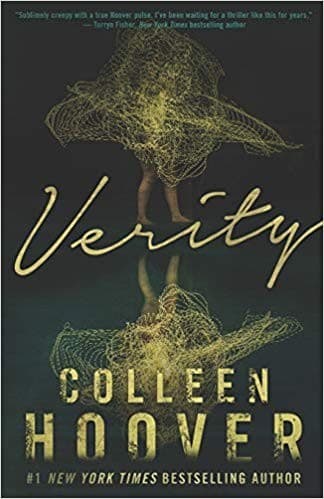
Book details and cover from Google Books.
Ready to read Verity?
Get your copy on Amazon, or listen to it on Audible. We earn a commission if you buy through these links.