
We earn a commission if you buy through these links. Learn more
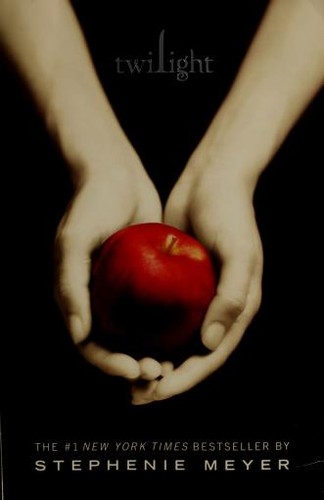
Twilight
On screen: Twilight (film, 2008)
Guide by the Books of the Day editors · Updated · How we write our guides
A slow-burning teen romance about a new girl in a rainy town and the cold, secretive boy she cannot stop thinking about, with supernatural stakes that build quietly.
What Creators Say About Twilight
2 creators reviewed Twilight on YouTube in 2025, with 1.3M views between them. Their opinions are their own; we picked these reviews, we didn't write them.
What It's About
Twilight is a 2005 young adult novel and the first book in Stephenie Meyer's Twilight Saga. Bella Swan, seventeen, leaves sunny Phoenix to live with her father in Forks, a small, perpetually damp town in Washington State. At her new high school she becomes fixated on the Cullen family, particularly Edward, whose composure and strangeness draw her in. The category listed here is Education, but this is fiction, so read it as a story rather than a guide.
The approach is intimate and first-person, so everything arrives filtered through Bella's nervous, self-conscious attention. Much of the book is spent on small moments: conversations in biology class, awkward lunches, long looks, and the anxiety of a newcomer who wants to belong. The supernatural element is present early, but the pacing keeps it teasing rather than explosive, and the romance drives most scenes.
Reading it feels like sinking into a diary of first infatuation. Meyer writes in plain, accessible prose that favors emotional intensity over wit or detailed description of setting, and the dialogue leans on repetition and yearning. It is a quick read and easy to get swept up in, which is part of its appeal and part of what critics object to.
Read this if you…
- want a slow-burn romance where longing matters more than action
- enjoyed teen fiction about first love and the fear of being unseen
- like moody, gothic-leaning stories set in a cool, rainy landscape
Skip it if you…
- want fast plotting, sharp prose, or detailed worldbuilding
- find possessive or controlling romantic dynamics hard to read past
Key Ideas
- 1
Obsession framed as destiny
Much of the book's energy comes from Bella's sense that her attraction to Edward is inevitable and almost fated. The story treats intense fixation as a sign of deep connection, which many readers find thrilling and others find unsettling. Noticing how the narrative justifies this feeling is one of the most useful ways to read the book.
- 2
The outsider starting over
Bella's move to a new town and school gives the story its emotional base. Her loneliness, her awkwardness with classmates, and her sense of being out of place are relatable even when the plot turns strange. The first chapters are as much about adjusting to a new life as they are about romance.
- 3
Restraint as a source of tension
Much of the romantic charge comes from what characters hold back rather than what they do. Long pauses, careful distance, and half-finished conversations build anticipation. Readers who enjoy slow emotional escalation will find this the book's strongest craft choice.
- 4
A deliberately narrow point of view
Because Bella narrates, we only know what she notices, and she is often preoccupied with Edward. Other characters stay thin, and the wider world barely registers. This keeps the focus tight, but it also means the book offers limited perspective beyond one anxious teenager's inner life.
Limitations
Critics often point to the romance's controlling undertones, which the book frames as passion rather than examining. Bella is passive for long stretches, and supporting characters are sketched rather than developed. The prose relies on repetition and emphatic phrasing, and the setting is more mood than physical detail. The first book also ends as a setup, so readers wanting a complete arc will need the sequels, which many find uneven.
Questions Readers Ask
- Is Twilight still worth reading as an adult?
- It can be, especially if you want to understand why it became such a cultural phenomenon or enjoy comfort reading about first love. Adults often read it more critically, noticing the romantic dynamics and the simple prose. Go in expecting a quick, emotionally driven teen story rather than literary depth, and it becomes much more enjoyable.
- Do I need to read the rest of the series?
- The first book works as a self-contained entry point, though it is clearly the opening of a larger story. Readers who like it usually continue, and the later books expand the world and cast. Midnight Sun, published in 2020, retells the first book from Edward's point of view if you want the same story from another side.
- Published
- 2005
- ISBN
- 9781603963541
- Difficulty
- beginner
- Category
- Education
Book details and cover from Google Books.
Ready to read Twilight?
Get your copy on Amazon, or listen to it on Audible. We earn a commission if you buy through these links.