
We earn a commission if you buy through these links. Learn more
Tipping the Velvet
Sarah Waters's sensual debut tracks an oyster-shop girl through Victorian music halls and London's hidden underworld, a funny, frank novel that rewards readers who enjoy big, wandering stories.
What It's About
Tipping the Velvet follows Nan King, a young woman raised above her father's oyster shop in the Kentish seaside town of Whitstable. When she first sees a male impersonator performing at a local music hall, her life tilts toward a world she has no name for yet. The novel tracks her from the provinces to London, where it becomes a sprawling, many-roomed account of how a working-class girl finds desire, work, and danger in the city's underside.
Waters writes in the first person, in a voice that is by turns wry, frank, and openly hungry. She borrows the shape of Victorian novels: episodic chapters, grand coincidences, and a heroine who moves through social layers the way a Dickens or Gaskell protagonist might. The pleasure lies in the texture of the period, with music hall glitter, damp docks, cramped lodgings, and the physical detail of costume and food. Sex is present and frankly described, but it is tied to money, power, and the question of who gets to be seen.
Reading it feels like being taken on a long tour by a guide who is enjoying herself and occasionally showing you the bruises. The book is funny in places and bleak in others, and its momentum comes from Nan's restless curiosity rather than from a tidy mystery. It rewards patience from a reader who likes a big, lived-in story.
Read this if you…
- enjoy big, picaresque Victorian novels with a long, wandering plot
- want a queer historical novel that is frank about sex, money, and class
- like a first-person narrator with a sharp, funny, and candid voice
Skip it if you…
- want a tight, fast-moving plot or a restrained, quiet book
- find explicit sexual content or grim exploitation hard to read
Key Ideas
- 1
Gender as performance on the music hall stage
Male impersonation in the music hall becomes a space where gender is staged, costumed, and applauded. Nan learns that identity can be worn as well as born, and the novel keeps asking what is performed for an audience and what is felt in private.
- 2
Class and the price of independence
Love and freedom in this world are shaped by money. Poverty makes people dependent on patrons, landlords, and employers, and the book tracks how a woman's choices narrow or widen according to what she can afford to lose.
- 3
The Victorian underworld seen from the margins
Waters revisits the city's hidden trades and shadow economies, the kind of material Dickens explored, but from a queer and female angle. The streets, lodgings, and markets of London feel busy, dangerous, and morally complicated.
- 4
A deliberate pastiche of Victorian fiction
The form is borrowed on purpose: melodrama, sprawling episodes, and a narrator who addresses the reader with knowing asides. Readers who enjoy noticing how a period style is built will find much to admire in the craft.
- 5
Queer women's lives brought into view
The novel recovers a world of women loving women in a period rarely given much room in fiction. It treats that world with curiosity and respect, showing its pleasures, its codes, and the risks that came with being found out.
Limitations
The book is long, and some readers find the middle stretches loose or repetitive as Nan moves through successive households and jobs. The Victorian pastiche can feel overdone, and the plot leans on coincidences that are charming to some readers and contrived to others. Its darker passages are unsparing and can feel relentless. Some critics also note that the protagonist's inner life is more fully drawn than that of several supporting characters.
Questions Readers Ask
- Is Tipping the Velvet a good place to start with Sarah Waters?
- It is her debut, and it is a good starting point if you enjoy a long, episodic historical novel with a strong narrator. If you prefer a tightly plotted Victorian thriller, her later novel Fingersmith may suit you better, since it is more tightly constructed and driven by its plot.
- Does the book still feel relevant today?
- Yes, largely because its concerns with class, gender performance, and who is allowed to be visible still resonate. Its historical frankness about queer life may also feel fresh to readers who have not encountered much fiction of that era written from a lesbian perspective.
- How does it compare to Dickens?
- It shares Dickens's appetite for city streets, colourful characters, and a rising-and-falling life story. Waters is more explicit about sexuality and more focused on a queer, working-class heroine's experience of the period's hidden world.
- Published
- 1998
- ISBN
- 9781573227889
- Difficulty
- intermediate
- Category
- Fiction
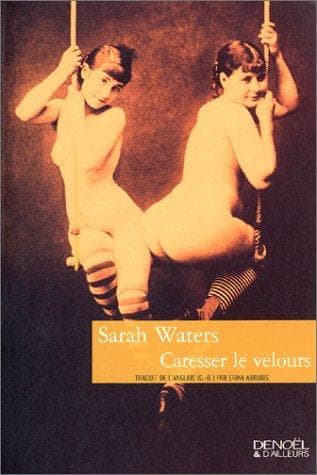
Book details and cover from Google Books.
Ready to read Tipping the Velvet?
Get your copy on Amazon, or listen to it on Audible. We earn a commission if you buy through these links.