
We earn a commission if you buy through these links. Learn more
Time for Bed
Guide by the Books of the Day editors · Updated · How we write our guides
A short, rhythmic bedtime picture book whose soft rhymes and calm pictures make it one of the easiest books to read aloud as the day winds down.
What Creators Say About Time for Bed
2 creators reviewed Time for Bed on YouTube between 2020 and 2021, with 23.5K views between them. Their opinions are their own; we picked these reviews, we didn't write them.
What It's About
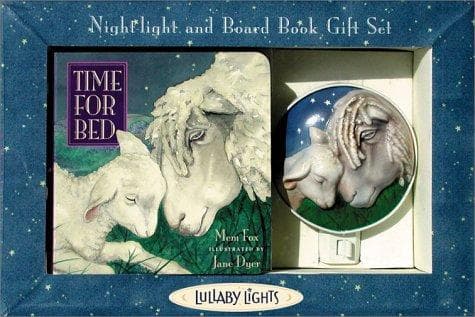
Time for Bed is a short picture book for very young children, built around a soft, repeating rhythm that makes it easy to read aloud at the end of the day. Its premise is simple: a series of animal parents and their young are shown winding down, one after another, until the whole world seems ready to sleep. The text is brief, with a steady, lulling cadence that does most of the work, and the book is meant to be read slowly, sometimes more than once in a row.
The illustrations by Jane Dyer carry much of the mood. Her soft, warm palette and gentle images of animals in their homes and nests create a quiet nighttime atmosphere, and small details reward a second look from a parent sharing the book. The pages move the eye toward rest rather than excitement, so the experience is more about rhythm, closeness, and routine than about plot.
For an adult, reading it is a brief, calming ritual. It takes only a few minutes, works well as a last book before lights out, and suits both babies who respond to sound and toddlers who like to join in on the familiar refrain. It is less a story to follow than a small routine to share.
Read this if you…
- want a short, soothing book to end the day with a young child
- are looking for a read-aloud with a strong rhythm for babies or toddlers
- value calm, softly illustrated picture books over busy or funny ones
Skip it if you…
- want a story with a plot, characters who change, or a surprise ending
- are looking for a book to challenge an older child or build reading skills beyond the very early years
Key Ideas
- 1
A rhythm built for reading aloud
The book's main pleasure is its sound. Short lines with a steady beat and familiar rhymes let an adult settle into a slow, even voice. Children tend to pick up the cadence quickly, so the text becomes something they can anticipate and join in with. For parents, the value lies in how easily the words carry when you are tired and want the reading to do its job without much effort.
- 2
Illustration carries the emotional tone
Jane Dyer's pictures set the mood as much as the words do. The palette stays soft and warm, and the scenes of animals settling into their homes feel safe rather than dramatic. Because the text is so spare, the images fill in the feeling of the night. Spending time on each spread, pointing out the animals and details, turns a short book into a longer, quieter conversation.
- 3
Bedtime as a shared, repeatable ritual
The book is less about narrative than about marking a boundary between the day and sleep. Its gentle progression suggests that everyone is getting ready for rest together. That makes it useful as a predictable part of a bedtime routine, the kind of book a young child asks for again and again because the sequence feels reassuring and familiar.
Limitations
The book is very slight by design. There is almost no plot, and older children or adults who read it expecting a narrative will likely find it thin. Some readers also tire of the same gentle pattern after many repetitions, especially if they are reading it for the fifth time in a night. It is also a picture book aimed at a narrow age range, so its appeal fades quickly as children become interested in stories with conflict or humour. Its charm depends heavily on the reader's voice, so a flat or rushed reading can make it feel more monotonous than it is.
Questions Readers Ask
- Who is Time for Bed best for?
- It suits babies, toddlers, and preschoolers, and the parents or carers reading to them. It works best as a last book before sleep, and it is especially useful for families who want a calm, predictable ritual. Older children who want a story with events and characters will probably find it too simple.
- Is Time for Bed still worth reading today?
- Yes, for the purpose it serves. Its rhythm and gentle pictures have not dated, and bedtime routines have not changed much. The book is not a teaching tool or a story that depends on the period it was written in, so it remains a reliable choice for a quiet read-aloud.
- Published
- 1993
- ISBN
- 9780152010669
- Difficulty
- beginner
- Category
- Children's Books
Book details and cover from Google Books.
Ready to read Time for Bed?
Get your copy on Amazon, or listen to it on Audible. We earn a commission if you buy through these links.