
We earn a commission if you buy through these links. Learn more
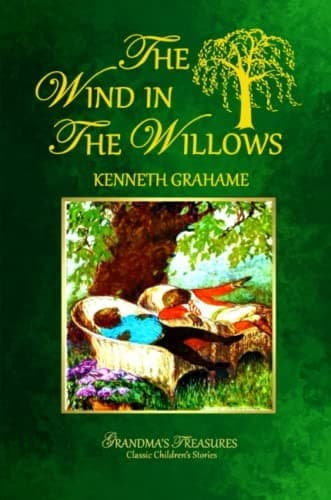
The Wind in the Willows
Guide by the Books of the Day editors · Updated · How we write our guides
Grahame's river-bank fable of friendship and restlessness rewards slow reading, with warm comedy, lyrical nature writing, and a hero who is gloriously hard to like.
What Creators Say About The Wind in the Willows
2 creators reviewed The Wind in the Willows on YouTube between 2013 and 2021, with 3.3K views between them. Their opinions are their own; we picked these reviews, we didn't write them.
What It's About
The Wind in the Willows follows a small circle of animals living along a river and across the countryside around it. Mole, who has just abandoned his spring-cleaning, falls in with the sociable Water Rat, and the two are drawn into the larger world of Badger, the gruff keeper of the Wild Wood, and Toad, a wealthy and impulsive enthusiast whose latest passion is always the newest one. Much of the book is episodic, built around outings, visits, and misadventures rather than a single tightly driven plot.
The prose is the main attraction. Grahame writes with a leisurely, slightly archaic warmth, and his descriptions of river, weather, and seasons are lush enough that you can feel the mud, the reeds, and the cold of the Wild Wood. The humour comes from character more than wordplay: Toad's enthusiasms and vanity are funny because the narrator treats them with affection rather than contempt.
Reading it feels like being told a story by an indulgent adult sitting beside a fire. It is gentle, sometimes sentimental, and at its best quietly melancholy about home, loyalty, and the pull of the open road. Expect a book to be savoured in short sittings rather than rushed through in one go.
Read this if you…
- enjoy gentle, character-driven comedy with a strong sense of place
- like classic English prose that rewards unhurried reading
- want a warm, slightly wistful book about friendship and home
Skip it if you…
- need a fast plot or a tightly structured story with rising stakes
- expect a modern children's book with female characters at the centre
Key Ideas
- 1
Home as the centre of contentment
Much of the book's emotional weight rests on the pleasure of having a settled, comfortable place to return to. Mole's longing for his burrow and the Rat's love of his riverside house give the story its base. The book is alert to how much a home is worth, and how easily the desire to leave can pull against it.
- 2
Friendship across unlikely differences
Mole, Rat, Badger, and Toad are very different creatures with different temperaments, and the book shows how they tolerate, correct, and rescue one another. Their bond is practical as well as affectionate, built on shared meals, favours, and loyalty when things go wrong.
- 3
The danger and beauty of the wider world
The Wild Wood and the wider countryside are presented as both threatening and enchanting. Grahame gives the reader a clear sense of how frightening the unknown can be for a creature used to safety, and how strangely moving it is to glimpse something larger than one's own patch of river.
- 4
Enthusiasm, vanity, and the cost of recklessness
Toad is the book's most memorable figure, and his obsessions drive many of its best episodes. Grahame lets his excesses be comic while also showing real consequences, so the reader laughs at him without quite dismissing him. The tension between generosity and self-absorption runs through his whole arc.
Limitations
The book is episodic, and some readers find its chapters digressive, especially the long set pieces on riverside life and the more lyrical interludes, which can slow the momentum. Its cast is almost entirely male, and women appear only briefly, which reflects its Edwardian origins. The sentiment can feel heavy to readers used to sharper modern humour, and some of the nostalgia for a rural England that never fully existed may come across as idealised. Its language is also more formal than contemporary children's fiction.
Questions Readers Ask
- Is The Wind in the Willows still worth reading today?
- Yes, especially if you enjoy beautifully written nature description and gentle comedy. Its vocabulary and pacing are older than most modern children's books, so it works best for readers who don't mind slower going. Many adults return to it for its warmth and the affectionate portrait of its characters.
- Is it a children's book or an adult book?
- It was written for children but is widely read by adults, who often pick up on its wit, melancholy, and reflections on home and friendship. Younger readers can enjoy the animals and adventures, while older ones tend to appreciate the prose and the more subtle observations about character.
- How does it compare to Winnie-the-Pooh?
- Both are gentle, animal-centred books with a warm narrator, but Grahame's prose is richer and more descriptive, and his tone is more wistful. Pooh is lighter, shorter, and more episodic in a playful way. Readers who love Pooh's humour often enjoy Grahame's writing but may find it slower.
- Published
- 1908
- ISBN
- 9781093466904
- Difficulty
- intermediate
- Category
- Children's Books
Book details and cover from Google Books.
Ready to read The Wind in the Willows?
Get your copy on Amazon, or listen to it on Audible. We earn a commission if you buy through these links.