
We earn a commission if you buy through these links. Learn more
The Unlikely Pilgrimage of Harold Fry
by Rachel Joyce
Guide by the Books of the Day editors · Updated · How we write our guides
A warm, funny, and quietly devastating novel about a man who sets out on foot to reach a dying friend, and discovers how much he has left unsaid in his own life.
What Creators Say About The Unlikely Pilgrimage of Harold Fry
2 creators reviewed The Unlikely Pilgrimage of Harold Fry on YouTube in 2013, with 5.8K views between them. Their opinions are their own; we picked these reviews, we didn't write them.
What It's About
The Unlikely Pilgrimage of Harold Fry is a novel about Harold, a retired brewery salesman in a quiet English town whose days have gone flat. A letter arrives from Queenie Hennessy, a former colleague who is dying in a hospice far away in the north, and wants to say goodbye. Harold writes a reply and sets out to post it, then keeps walking. The journey is undertaken in unsuitable shoes and with little idea of what he is doing, and it becomes the vehicle for a story about the things he has never said.
Joyce moves between the road and Harold's past, including his marriage to Maureen and his strained relationship with their son, David. The memories arrive in small, unforced pieces, so the reader gradually understands why a man might believe a long walk could mend something. The prose is plain and warm, with a dry humour that keeps grief from turning maudlin, and the pace suits someone who is out of condition and thinking hard.
Reading it feels like keeping company with a gentle, bewildered traveller. The sentences are easy, but the book asks you to sit with uncomfortable feelings about regret, loyalty, and the shapes families fall into. It rewards patience more than plot.
Read this if you…
- want a gentle, emotionally honest novel about late-life regret and second chances
- enjoy character-driven stories about ordinary people making one unlikely, impulsive decision
- are happy with a slow book where the journey matters more than the destination
Skip it if you…
- need a fast plot, suspense, or a clear sense of forward momentum
- find stories about terminal illness and family estrangement too painful to read right now
Key Ideas
- 1
Grief that has been postponed for years
Harold's journey is a way of facing feelings he has avoided for decades, including the distance that has grown between him and his family. The walk gives him time and silence to notice what he has been suppressing. Joyce treats this avoidance with sympathy rather than judgement, and shows how ordinary routines can become a hiding place.
- 2
Walking as a way of thinking
The physical strain of the road strips away Harold's usual defences. Each day brings new discomfort, and each stranger he meets reflects back a different version of what he might become. The book treats movement as a form of reflection, so the landscape matters less as scenery than as a slow, honest pressure on the mind.
- 3
A marriage seen from the inside
Maureen's experience runs alongside Harold's, and the gap between what each of them feels is one of the book's central subjects. Their long silences and small habits show how a partnership can drift without either person choosing it. Joyce is particularly good at the things couples stop saying to each other.
- 4
Comedy that keeps sorrow human
Harold's earnest unpreparedness is often funny, and that humour does important work. It stops the emotional material from tipping into sentimentality and makes the characters feel like people rather than symbols. The tone shifts between tenderness and wry observation, which is much of the book's appeal.
Limitations
Some readers find the book leans on sentiment, and a few of the encounters Harold has along the way feel more convenient than convincing. Several supporting characters are sketched more than developed. The emotional payoff depends on accepting Harold's inner life as worth the length, which not everyone will. It is firmly rooted in a particular world of reticent English middle age, and it does not attempt a broader portrait of social change. Its approach to illness is affectionate rather than clinical.
Questions Readers Ask
- Is The Unlikely Pilgrimage of Harold Fry good for book clubs?
- Yes. It has a clear emotional core, a manageable length, and plenty to argue about, including whether Harold's journey is brave, foolish, or both. Its themes of marriage, parenthood, and unspoken regret tend to draw out personal stories. Some groups find the sentiment heavy, so it helps to be ready for that debate.
- How does it compare with Rachel Joyce's other novels?
- Readers who enjoyed Joyce's The Music Shop will recognise her tenderness toward quiet, overlooked characters and her interest in how small acts can change a life. Those looking for a brisk, plot-driven road story may find this one slower than expected, since the inner journey is the real subject.
- Published
- 2012
- ISBN
- 9781784160487
- Difficulty
- beginner
- Category
- Fiction
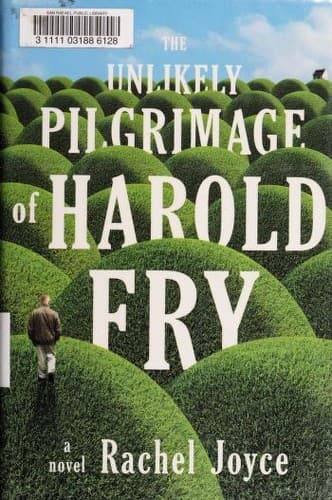
Book details and cover from Google Books.
Ready to read The Unlikely Pilgrimage of Harold Fry?
Get your copy on Amazon, or listen to it on Audible. We earn a commission if you buy through these links.