
We earn a commission if you buy through these links. Learn more
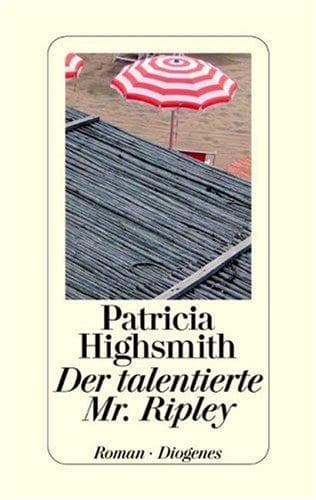
The Talented Mr. Ripley
A cool, unsettling 1955 thriller about envy and reinvention that makes you complicit in its charming, amoral protagonist, and asks why you kept turning pages.
What It's About
The Talented Mr. Ripley is a 1955 novel about Tom Ripley, a small-time drifter with a gift for mimicry and an aching wish to belong to a world he has no claim on. Sent to Italy on a vague errand to persuade a wealthy young man to come home, Tom instead drifts into the easy, sunlit life of his target. The book follows how that longing hardens into something far darker. Highsmith keeps the narration close to Tom's head, so you see his reasoning from the inside, even when it is repellent.
The style is spare and cool. Highsmith writes plainly, with little ornament, and builds suspense through small logistical decisions rather than set-piece action. Her descriptions of Italian light, harbour towns, and the rhythm of idle leisure are precise, and they make the setting feel like part of the moral climate rather than decoration. A constant low hum of unease runs beneath even the pleasant scenes.
Reading it feels less like being chased than like being quietly implicated. Highsmith never asks you to approve of Tom, yet she makes his point of view persuasive enough that you keep turning pages anyway. It is a short, absorbing read that lingers after the last page.
Read this if you…
- enjoy crime fiction driven by character and psychology rather than chases and action
- are curious about envy, reinvention, and the pull of another person's life
- like moody, sun-bleached settings with a steady undercurrent of dread
Skip it if you…
- need a sympathetic hero to stay engaged with a story
- want a fast plot with clear justice and a tidy, satisfying resolution
Key Ideas
- 1
The hunger to belong to someone else's life
Tom's central drive is not money so much as access to a life that seems effortless and secure. Highsmith treats this longing as both pitiable and dangerous. She shows how admiration can curdle into obsession when a person feels locked out of the world they most want, and how easily a talent for imitation can slide into erasing someone else.
- 2
Class, envy, and the wealthy outsider
The novel is sharply attentive to money, leisure, and who gets to drift through Europe without consequences. Tom is poor in a world of privilege, and his resentment gives the story its edge. Highsmith does not offer a simple moral verdict on the rich. Instead she lets the reader feel how envy can make a person both sympathetic and frightening.
- 3
Crime as a chain of small decisions
Rather than building toward a single dramatic moment, the book shows wrongdoing accumulating through practical choices: what to say, where to go, who might notice. This procedural attention to detail is what makes the tension so steady. Readers who like careful, almost clinical tracking of a plan will find it especially rewarding.
- 4
A narrator who makes you complicit
Because the story stays close to Tom's perspective, you are placed inside his rationalizations and forced to notice how easily they feel reasonable. Highsmith's refusal to punish or redeem him neatly is the source of the book's lasting unease. It is less a whodunit than an exercise in uncomfortable sympathy.
Limitations
Some readers find the middle sections slow, since much of the tension comes from waiting and watching rather than events. Tom is also a passive and unpleasant centre of gravity, which can feel airless to readers who want warmth or a moral anchor. The book's treatment of sexuality is coded and, by today's standards, uneasy: its queer undertones were shaped by the mid-century climate Highsmith wrote in, and modern readers may find that framing dated. Women are sketched more lightly than the men, and the postwar Italian backdrop is seen through the eyes of affluent foreigners.
Questions Readers Ask
- Is The Talented Mr. Ripley still worth reading today?
- Yes, for most readers. The prose is clean and the psychological tension has not faded. Some attitudes reflect the 1950s, particularly in how the book handles sexuality, so it helps to read it with that context in mind. Its study of envy and self-invention still feels current.
- How does the novel compare to the films based on it?
- The 1960 French film Purple Noon and the 1999 film starring Matt Damon both adapt the story, but each changes its tone and emphasis. The novel is more interior and more patient, staying inside Tom's head in a way film can only approximate. Readers who know the films will still find surprises in the prose.
- Published
- 1955
- ISBN
- 9782702130834
- Difficulty
- beginner
- Category
- Fiction
Book details and cover from Google Books.
Ready to read The Talented Mr. Ripley?
Get your copy on Amazon, or listen to it on Audible. We earn a commission if you buy through these links.